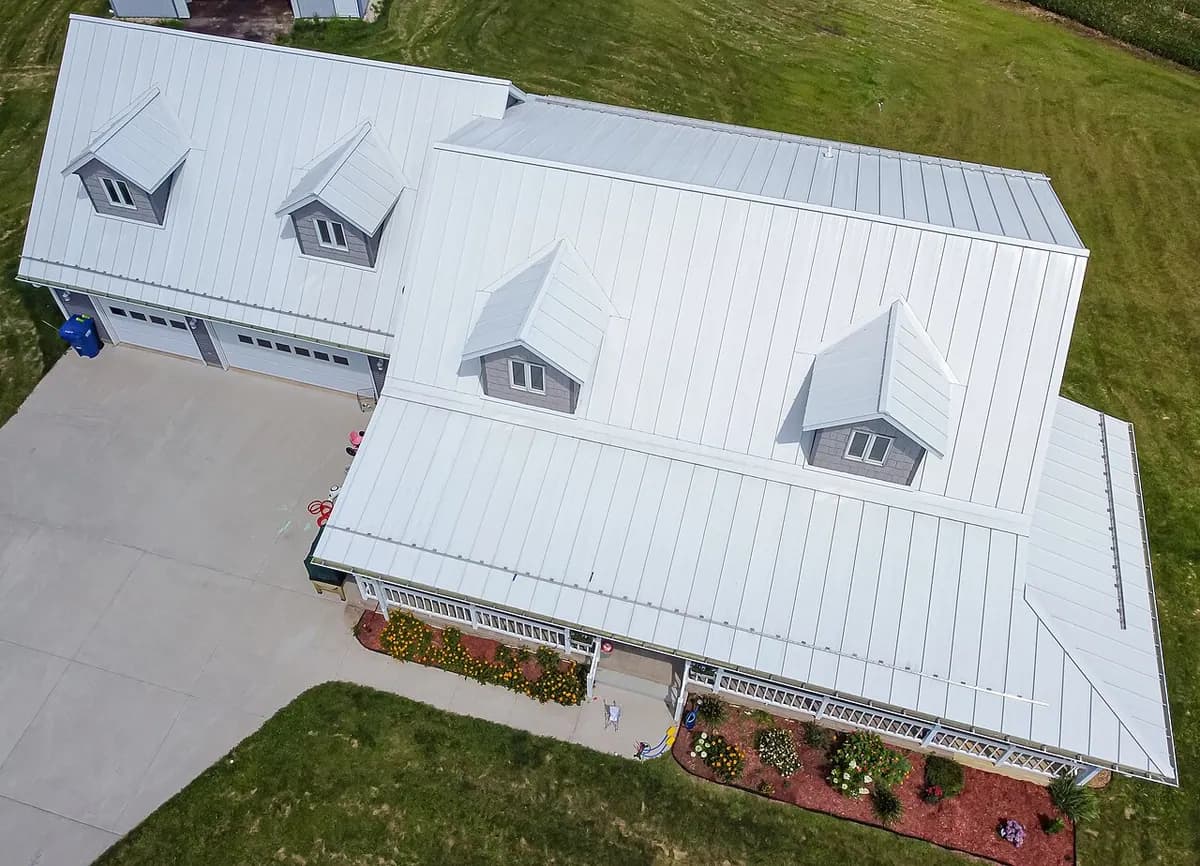
Photo: Wikideas1, “Standing seam metal roof - white”, CC0 1.0, via Wikimedia Commons. Resized and converted to WebP; shown cropped.
Roofing & gutters
Repairs, full replacements, flashing, skylights, gutters.
On this page12 sections: urgent, quote, red flags, permits…
Is it urgent?
Stay off a damaged or wet roof and look from the ground.
Emergency: call now
- Active leak inside
- Storm opening in the roof
- Sagging, stained ceiling
- Water near lights or outlets
Within a day or two
- Slow leak, not dripping now
- Shingles lifted by a storm
- Exposed flashing
- Damp spot, not spreading
Can wait: schedule it
- Old roof, replacement quote
- Gutter cleaning
- Granule loss or curling
- Insurance estimate, no leak
The full list, in the guide's words
Safety first: Stay off a damaged or wet roof and look from the ground. If water is coming through the ceiling near lights or outlets, stay clear and turn the power off at the breaker only if you can reach it safely. For a downed power line near the house, stay far back and call 911 and your utility.
Emergency: call now
- Any active leak coming into the home
- A storm-created opening: a tree impact, a blown-off section, a hole from debris
- A sagging or water-stained ceiling that risks collapse
- Water reaching light fixtures or outlets, especially with more weather coming
Within a day or two
- A slow or intermittent leak with no active dripping
- Missing or lifted shingles after a storm has passed
- Exposed flashing, or a damp spot that is not spreading
Can wait: schedule it
- Roof age concerns, replacement quotes, gutter cleaning and inspections
- Granule loss, curling shingles and other cosmetic issues
- Insurance-claim estimates with no active leak
This is general guidance, not a diagnosis. If anyone is in danger, call 911 first.
A roof, layer by layer
The layers under the shingles, pulled apart so you can see each one. A quote should say which are replaced.
- Layer 1Shingles (or metal, tile). The visible layer. It sheds water but is not the whole waterproofing.
- Layer 2Underlayment. Water-resistant sheet under the shingles; the backup if wind-driven rain gets in.
- Layer 3Ice-and-water barrier. Sticky membrane at eaves, valleys and openings; matters most in cold climates.
- Layer 4Roof deck (sheathing). Plywood or OSB boards. Rot here makes the job bigger: ask how it is priced.
- Layer 5Rafters or trusses. The frame that carries the roof. Damage here is a structural question, not a shingle job.
- Layer 6Attic insulation and vents. Insulation on the attic floor plus vents (soffit in, ridge out) help keep the roof dry and the deck sound.
- Flashing: metal pieces at chimneys, walls, vents and valleys. Leaks often start here.
- Drip edge: metal lip at the eave that guides water into the gutter.
- Ridge vent: a slot along the peak that lets attic air out.
Drawing made for this site · simplified, not to scale
What's on a roofing & gutters quote
Tear-off & disposalAsk: how many layers come off?
Removing the old roofing and hauling it away. Ask how many layers are coming off.
Roof deck repairAsk: how is rotten wood priced?
Replacing rotten plywood or boards found once the old roof is off. Ask how this will be priced before work starts so it is not a surprise.
UnderlaymentAsk: what goes under the shingles?
The waterproof layers under the shingles, including sticky membrane at the eaves and valleys.
ShinglesAsk: brand, line and color
The product by brand, line and color.
Flashing & ventsAsk: which metal is replaced?
The metal at edges, walls, chimneys and penetrations that sends water away.
Permit & warrantyAsk: nail cleanup, whose warranty?
Ask how nails are cleaned up from the yard, and which warranty comes from the manufacturer and which from the roofer.
What a good estimate spells out9 things to look for
- The contractor's legal name, license number if one applies, and contact details, plus your name and address.
- What work is included, and what is not.
- The brand, model and size of major equipment and materials, not just standard or builder grade.
- Who pulls the permit and who pays for it and for inspections.
- Cleanup, and what happens to the old materials.
- A start date and a realistic finish date, and what happens if the schedule slips.
- Warranty terms: what is covered, for how long and who honors it.
- When and how you pay, tied to finished stages of work rather than just dates.
- How changes are handled: a written price for any change before the work happens.
Know what you're looking at
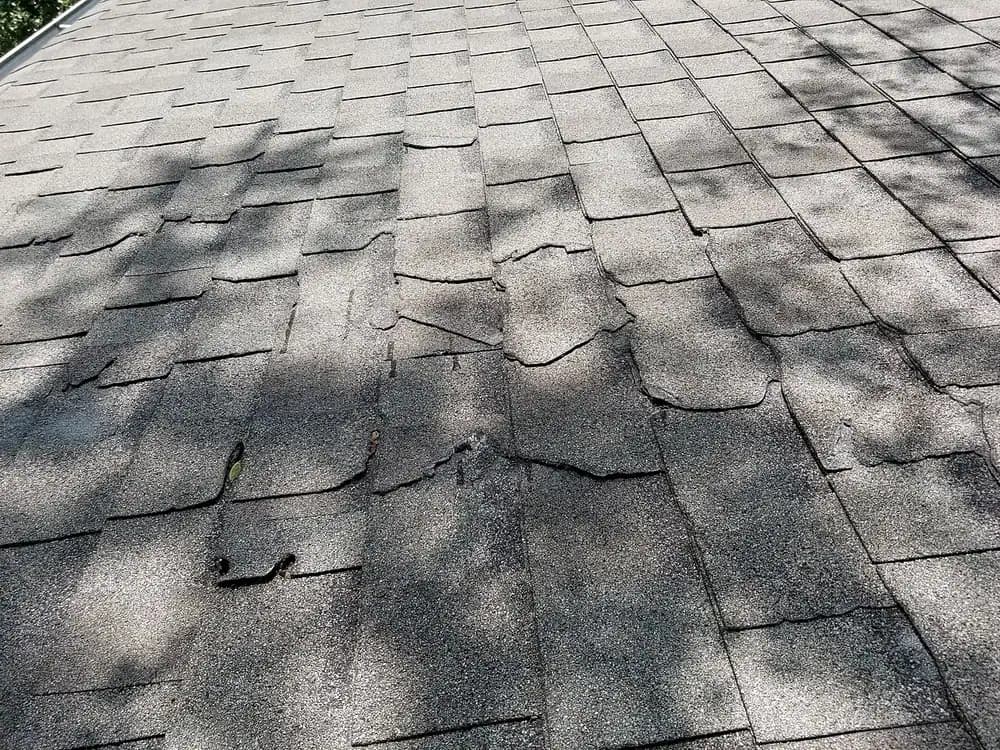
Worn shingles
Cracked or curled tabs let water in
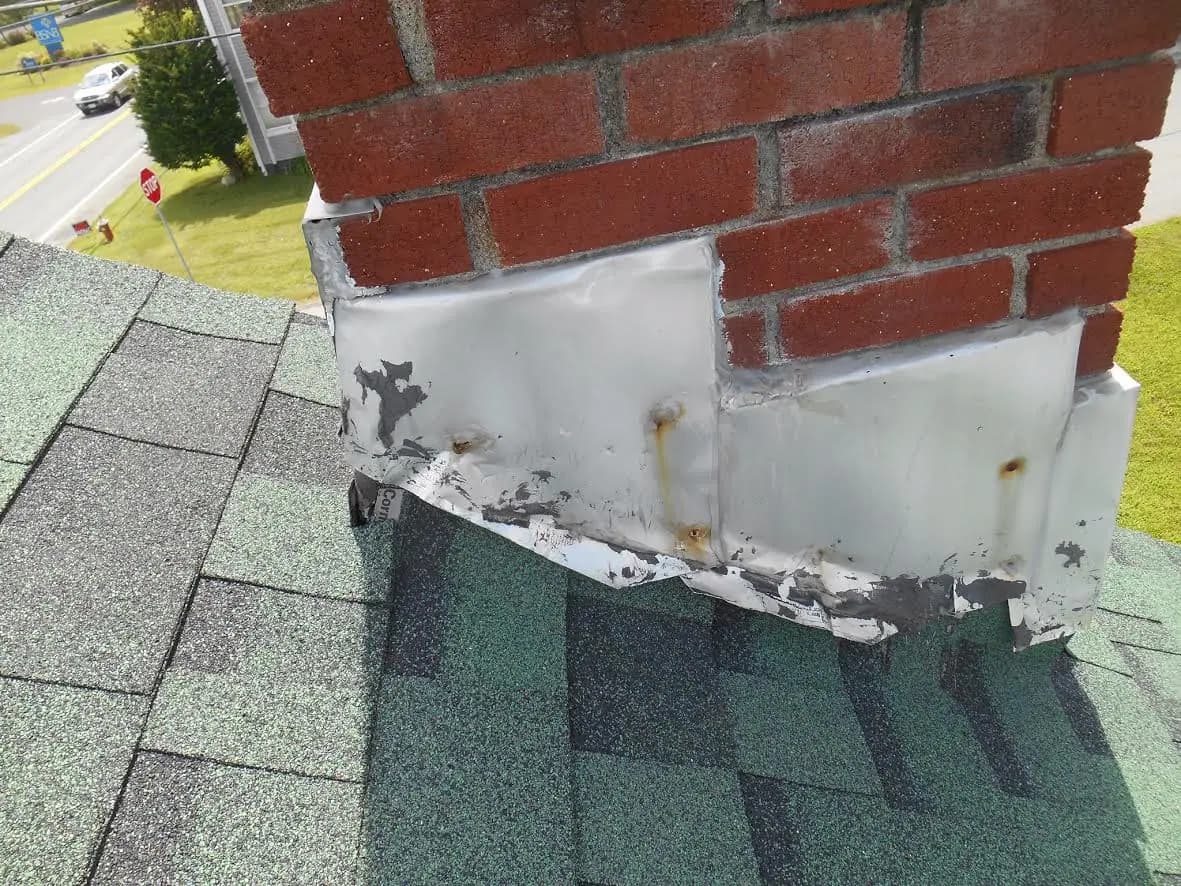
Failed flashing
Often a repair, not a new roof
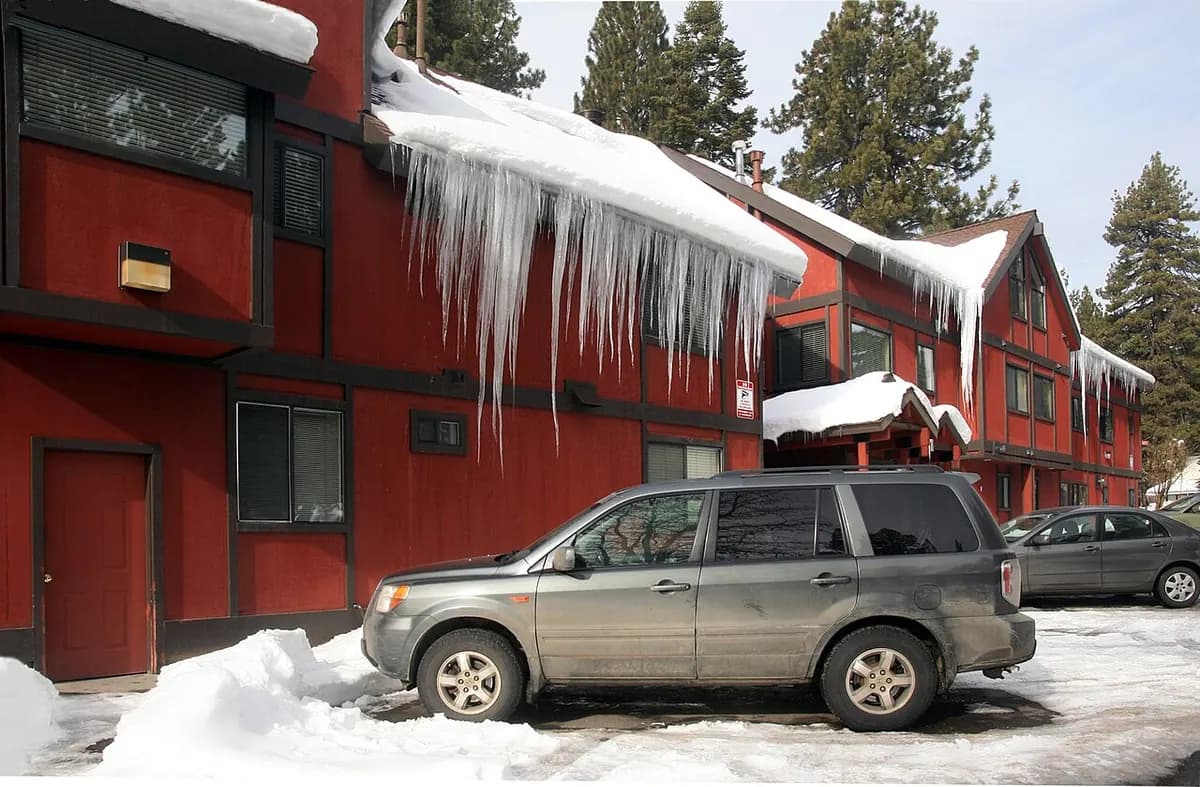
Signs of an ice dam
Heat escaping melts snow at the edge
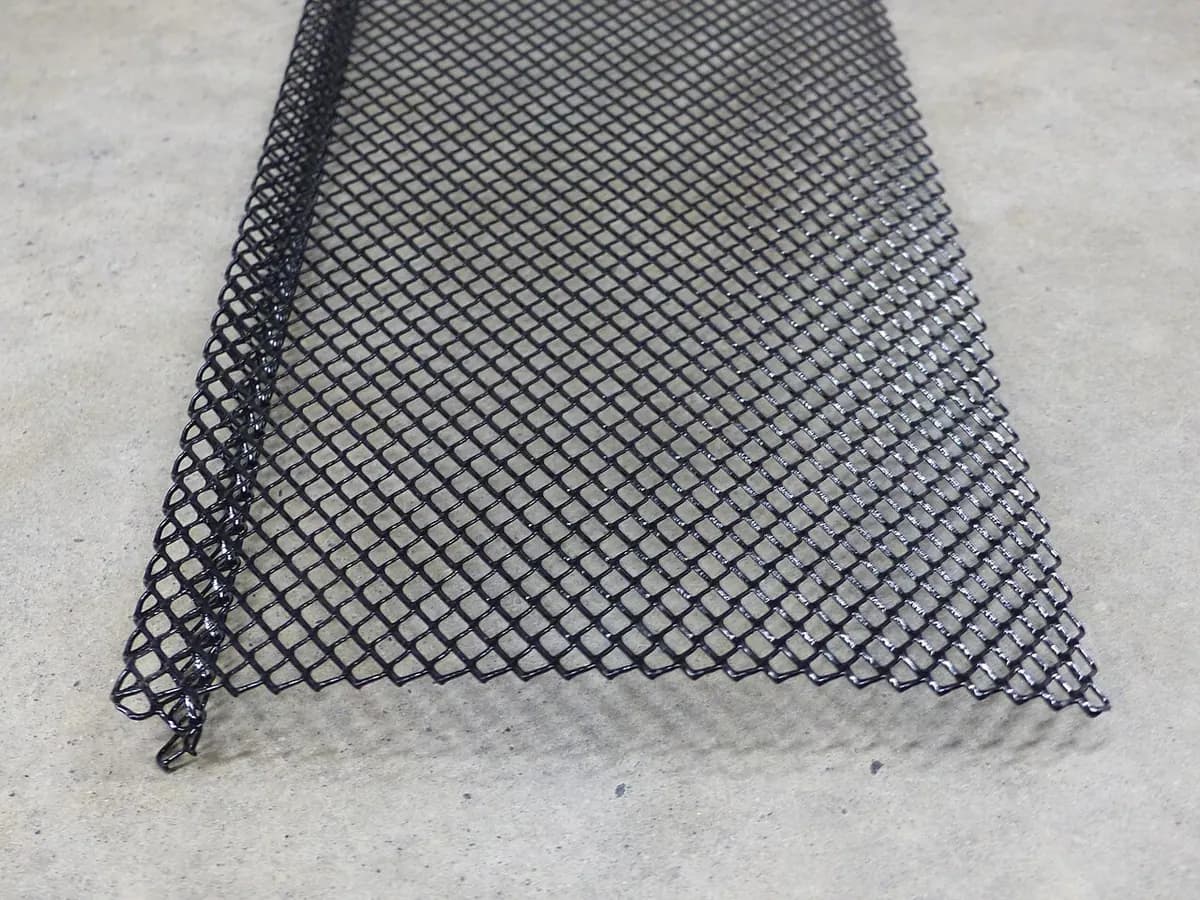
Gutter guard
Ask what is quoted and covered
Red flags
4 of 11Storm chaser at your door
Talk to your insurer before you sign.
Signing over your claim
Read any claim form before you sign it.
No shingle brand or rot plan
Ask what happens if the deck is rotten.
Pressure to sign today
A fair quote is still fair tomorrow.
7 more red flags
A price that does not say how many layers are being removed, or that skips tear-off without explaining the tradeoffs.
No written quote, or a quote that is a single total with no detail about what is included.
A large payment up front, or a request for cash only.
Some states limit how much a contractor can ask for before work starts.
A license number that does not check out.
Where your state licenses this trade, look the number up yourself on the state licensing board's site.
No proof of insurance.
Ask for a certificate sent to you directly by the insurer or the agent.
A price far below every other quote, followed by extras once the work has started.
Someone who knocks on your door uninvited, or who will not give recent local references.
Where homeowners say it goes wrong
- They suspect storm/hail damage and feel lost navigating the insurance claim and deductible process
- They got wildly different quotes and can't tell who's honest vs. a storm-chasing door-knocker
- They don't know if they need a full replacement or just a repair and fear being upsold
Ask every roofer
Is this a repair or a full replacement, and what exactly is wrong that justifies it?
What is included: tear-off, new underlayment, flashing, vents and cleanup, and how is damaged decking handled?
How will you protect the landscaping and the attic during the job, and how do you clean the yard of nails afterward?
2 more questions
Are you licensed where this work requires it, and insured? Can I see the license number and a certificate of insurance sent to me by your insurer?
What exactly does the warranty cover, for how long, and who honors it (you, the manufacturer, or both)? Will you put it in writing?
Permit or not?
Commonly permitted
- New roof
- Structural changes
- Skylights
Often not
- Small repair
Your building department decides. If a contractor asks you to pull the permit in your own name, ask why.
More on permitsWho pulls it, and what to check first
Work like this usually needs a permit.
Replacing a roof, changing structure or adding skylights is commonly permitted and inspected, and storm-damaged areas may have extra rules. A small repair often is not.
- Your building department decides what applies at your address. Rules differ by city and county, and HOA, condo or historic-district rules can add more.
- Ask who pulls the permit. Normally the licensed contractor does and the price includes it. If a contractor asks you to pull it in your own name, ask why: it can shift responsibility for the work to you.
- If you are unsure, call your local building department before you sign. Unpermitted work can cause problems with insurance and when you sell.
Words you'll see
Square (100 sq ft of roof area)
Roofers price and order by the square: 100 square feet of roof surface. Ask how many squares the quote assumes and whether it includes waste for cuts.
What this trade covers
13 kinds of jobsAs the trade lists them
- Full roof replacement / tear-off and re-roof (asphalt shingle, metal, tile, flat/TPO)
- Roof leak detection and repair
- Storm / hail / wind damage repair and insurance-claim restoration
- Emergency roof tarping and leak mitigation
- Flashing repair and replacement (chimney, skylight, valley, step flashing)
- Gutter and downspout installation, repair, and cleaning
- Attic ventilation and ridge/soffit vent installation
- Ice dam removal and prevention
- Skylight installation, repair, and reseal
- Roof inspection / certification and pre-sale inspections
- Soffit, fascia, and drip-edge repair
- Decking / sheathing repair after rot or water damage
- Roof coatings and restoration (silicone, elastomeric for flat roofs)
How people describe itUrgent calls and planned ones
When it can't wait
- “There's water pouring through my ceiling right now and it's dripping onto the floor”
- “A tree just fell on my roof and I can see the sky through the hole”
- “The wind tore a big section of shingles off and rain is getting in”
- “My ceiling is sagging and turning brown and I think it's about to collapse”
- “Half my roof blew off in the storm last night”
- “There's a hole in my roof and the storm is still going”
- “Water is coming in around my chimney and running down the wall into outlets”
- “The skylight cracked from the hail and it's leaking into my kitchen”
- “Shingles are flapping and peeling back and more rain is coming tonight”
- “There's a hailstorm right now and water just started coming through the bedroom ceiling”
When it can be planned
- “My roof is about 20 years old and I want a quote to replace it”
- “I want someone to come inspect the roof before I sell the house”
- “I noticed some shingles look worn and curled and want it checked out”
- “Can you give me an estimate for new gutters”
- “I think I need an inspection for an insurance claim, no leaks though”
- “I'd like a price on switching to a metal roof”
- “My gutters are clogged and need cleaning before fall”
- “There's a small stain on the ceiling but it's dry now and not growing”
Paying for it
Before you finance anything6 basics, then the financing guide
Most home projects can be paid in cash or financed. A few basics before you sign anything:
- Ask for the cash price and the financed price in writing, for the same scope of work. They can differ, because a financing fee (sometimes called a dealer fee) may be built into the financed price.
- Compare the total you will pay over the whole loan, not just the monthly payment.
- Read the fine print on same-as-cash and zero-interest offers, especially what happens if the balance is not paid in full by the end of the promotional period.
- PACE financing is repaid through your property tax bill and can place a lien on your home. Read the terms closely, and consider asking your mortgage servicer how it is treated, before you agree.
- Utility and state programs sometimes offer low-rate loans for efficiency work. Check yours before accepting the contractor's offer.
- Take loan paperwork home and read it. A sign-it-today loan is a reason to slow down.
There is more in the financing guide.financing guide
We are not a lender and do not arrange loans. Financing information here is general education; lenders decide terms.
What an expert knows
Short notes from public sources such as federal agencies, safety groups and trade associations. Each note links to the page it came from, and every page was opened and read on 2026-10-03. This is a starting point, not a complete list of every rule or program, and it is general information, not legal, tax, engineering or insurance advice. Rules and prices vary by place, so confirm what applies at your address.
Types, pros, cons and lifespan9 notes, each with its source
- Asphalt shingles: By far the most common steep-slope cover. Fiberglass-mat shingles usually carry the top Class A fire rating. 3-tab shingles are a single layer; architectural shingles are a thicker double-ply product.NRCA: Steep-Slope Roofing Materials (opens in a new tab)
- 3-tab versus architectural: 3-tab shingles have three tabs with a cutout and a single sealant strip. Architectural shingles are thicker and longer, with a double-ply overlay.IBHS: Roof 101 (opens in a new tab)
- Metal panels and metal shingles: One of the fastest-growing residential choices. NRCA describes metal as lightweight, long-lasting and resistant to bad weather, and some products have a Class A fire rating. Steel is the most common metal.NRCA: Steep-Slope Roofing Materials (opens in a new tab)
- Clay or concrete tile: Durable, but heavy. If you are replacing another covering with tile, have the structure checked to confirm it can carry the load.NRCA: Steep-Slope Roofing Materials (opens in a new tab)
- Slate: Considered virtually indestructible and found on many older Northeast homes, but it costs more than other coverings and needs installers with special skill.NRCA: Steep-Slope Roofing Materials (opens in a new tab)
- Wood shakes and shingles: Some local codes limit them over fire concerns. Many carry only Class C or no fire rating, though factory-treated products can reach Class A.NRCA: Steep-Slope Roofing Materials (opens in a new tab)
- Synthetic products: They mimic slate or wood but do not necessarily behave the same. Research the specific product before choosing it.NRCA: Steep-Slope Roofing Materials (opens in a new tab)
- Impact-resistant shingles: Made either by adding a reinforcing scrim or by using polymer-modified asphalt. UL 2218 rates impact resistance from Class 1 to Class 4.IBHS: Roof 101 (opens in a new tab)
- Cool roofs: High-reflectance roofs cut cooling demand in hot climates. In cold climates they can add some winter heating use, and reflective low-slope roofs need periodic cleaning.EPA: Using Cool Roofs to Reduce Heat Islands (opens in a new tab)
Sizing and choosing4 notes, each with its source
- Nailing is specified, not guessed: Shingles typically need at least four nails per full strip, and the manufacturer's instructions on the wrapper govern the method.IBHS: Roof 101 (opens in a new tab)
- Match the rating to your site: Metal roofs are tested as a system, and the design pressure rating used must suit your location and site conditions. Slope limits depend on the code edition and the manufacturer.IBHS: Roof 101 (opens in a new tab)
- Weight matters for tile: Verify that the home can support the added load before switching to tile.NRCA: Steep-Slope Roofing Materials (opens in a new tab)
- Downspouts and grade: Plan about one downspout per 50 feet of eave, extensions that discharge at least 4 feet beyond the wall, and ground sloping away at about 1 inch per foot for at least 6 feet.University of Minnesota Extension: Moisture in Basements (opens in a new tab)
Maintenance by season5 notes, each with its source
- After a new shingle roof: Shingles need time to seal. Manufacturers suggest 70 to 80°F for sealing, which can take one to two weeks in summer and one to two months or more in poor conditions. Until sealed, wind and rain are a risk.IBHS: Roof 101 (opens in a new tab)
- Fall and spring: Keep gutters and downspouts working so water discharges at least 5 feet from the foundation. The ground near the house should slope away.EPA: Mold House Tour (text version) (opens in a new tab)
- After heavy rain: Check gutters, downspouts and grading first when water shows up near the foundation. These fixes can solve the problem.University of Minnesota Extension: Moisture in Basements (opens in a new tab)
- Winter: ENERGY STAR lists ice dams among the common attic problems that air sealing and added insulation in the attic can address.ENERGY STAR: Identify Air Leak and Insulation Problems (opens in a new tab)
- Cool or reflective roofs: Wash off dirt periodically to keep reflectance up.EPA: Using Cool Roofs to Reduce Heat Islands (opens in a new tab)
Code and permit basics4 notes, each with its source
- Nails and standards: Building codes require roofing nails to secure asphalt shingles. Wind and hail ratings come from test standards such as ASTM D7158 and UL 2218. This is general information, not legal advice.IBHS: Roof 101 (opens in a new tab)
- Fire ratings: Asphalt shingle fire resistance is rated Class A, B or C, with A the most resistant. Local codes may limit wood shakes.NRCA: Steep-Slope Roofing Materials (opens in a new tab)
- Who pulls the permit: Your contractor should normally get the building permit. A request that you pull it yourself is a fraud warning sign.FTC: How To Avoid a Home Improvement Scam (opens in a new tab)
- Higher wind standards: The FORTIFIED Roof program goes beyond typical practice with ring-shank nails, a sealed roof deck and stronger edge details. It is voluntary.IBHS FORTIFIED Roof (opens in a new tab)
What moves the price4 notes, each with its source
- Material choice: Slate costs more and needs special skill. Tile may need a structural check. Metal and impact-resistant products differ from basic shingles in price and performance.NRCA: Steep-Slope Roofing Materials (opens in a new tab)
- Roof parts beyond the covering: A full roof includes deck, underlayment, drip edge, starter strip, flashing and ridge caps. How much gets replaced changes the price.IBHS: Roof 101 (opens in a new tab)
- Storm-resilience upgrades: A sealed roof deck, ring-shank nails in a tighter pattern, and wider drip edges add materials and labor but reduce wind damage and water intrusion.IBHS FORTIFIED Roof (opens in a new tab)
- Plans for solar: If solar is coming, replace a worn roof first to avoid removing and reinstalling panels later.ENERGY STAR: Rooftop Solar (opens in a new tab)
Common scams4 notes, each with its source
- Out-of-town storm chasers: Out-of-town scammers can be first at your door after a storm. Be wary of bids that seem unrealistically low and of requests for large up-front payments.FEMA: Beware of Post-Disaster Contractor Fraud (opens in a new tab)
- Assignment of benefits: An AOB lets a contractor run your insurance claim, and you can lose your right to mediation. You are not required to sign one to get repairs done, and you can file with your insurer yourself.NAIC: Assignment of Benefits, Consumer Beware (opens in a new tab)
- Sign over your insurance check: Never sign over your insurance check to a contractor. Pay from your own funds by card or check.FTC: How To Avoid Scams After Weather Emergencies and Natural Disasters (opens in a new tab)
- Discount if you sign right now: Pressure to sign immediately for a special price is a warning sign.FTC: How To Avoid Scams After Weather Emergencies and Natural Disasters (opens in a new tab)
Ask for this in writing5 notes, each with its source
- Materials by name: Brand and product line, plus the wind and hail ratings, underlayment type, drip edge and starter strip to be installed.IBHS: Roof 101 (opens in a new tab)
- Fastening and sealing: In wind-prone areas, ask whether ring-shank nails and a sealed roof deck are included.IBHS FORTIFIED Roof (opens in a new tab)
- Estimate details: The work to be done, the materials, the completion date and the price.FTC: How To Avoid a Home Improvement Scam (opens in a new tab)
- Warranties: All labor, material and manufacturer warranties in writing. California requires this, and it is good practice anywhere.California CSLB: Home Improvement Contracts (opens in a new tab)
- Permit responsibility: Who gets the permit and who pays for it.FTC: How To Avoid a Home Improvement Scam (opens in a new tab)
Repair or replace4 notes, each with its source
- Roof for solar: Consider the roof's remaining life before installing solar, since replacing it afterward costs extra.ENERGY STAR: Rooftop Solar (opens in a new tab)
- Ice dams point to the attic: ENERGY STAR treats ice dams as an attic sealing and insulation problem, so ask whether the attic needs work too, not just the roof.ENERGY STAR: Identify Air Leak and Insulation Problems (opens in a new tab)
- Fix the leak before the finish: If water has gotten into a wall and the paint is peeling, fix the water problem first, then repair and paint.EPA: Mold House Tour (text version) (opens in a new tab)
- Replacement is the time for upgrades: A re-roof is the moment to add stronger edge details, nails and a sealed deck if you live in a high-wind area.IBHS FORTIFIED Roof (opens in a new tab)
Questions to ask an expert5 notes, each with its source
- What wind and hail ratings does this system have for my location? Ask for the product's rating, not just the brand name.IBHS: Roof 101 (opens in a new tab)
- Will you seal the deck and use ring-shank nails? These upgrades matter most in hurricane and high-wind regions.IBHS FORTIFIED Roof (opens in a new tab)
- Will the drip edge, starter strip and flashing be replaced? Ask what is reused and what is new.IBHS: Roof 101 (opens in a new tab)
- Can my roof structure handle tile or slate? Ask for a structural check before changing materials.NRCA: Steep-Slope Roofing Materials (opens in a new tab)
- Will I be asked to sign an assignment of benefits? You do not need to sign one to get repairs done.NAIC: Assignment of Benefits, Consumer Beware (opens in a new tab)
General information, not legal, tax, engineering or insurance advice. Photos credited with their licenses; drawings made for this site. Guide updated October 3, 2026.