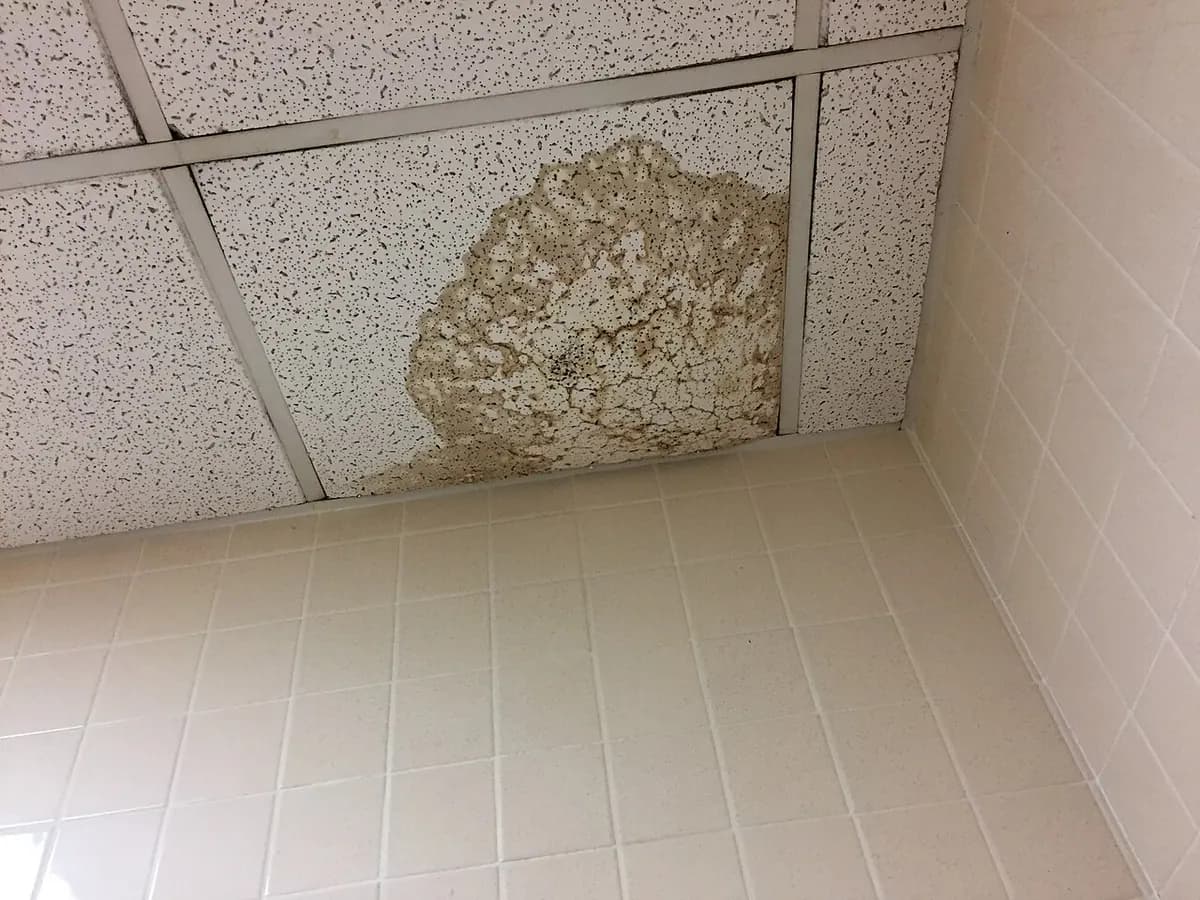
Photo: Atomicdragon136, “Ceiling water damage”, CC BY 3.0, via Wikimedia Commons. Resized and converted to WebP; shown cropped.
Water, fire & mold cleanup
Water damage, flood cleanup, mold, fire and smoke restoration.
On this page11 sections: urgent, quote, red flags, permits…
Is it urgent?
Fire, gas, a CO alarm or water at outlets? Get out and call 911. Don't wade where power may be live.
Emergency: call now
- Active flooding or leak
- Overflowing appliance
- Sewage backup
- Storm water coming in
- Fire or smoke damage
Within a day or two
- Still wet: mold clock on
- Breach needs a tarp
- Mold, someone vulnerable
- Hidden wet walls
Can wait: schedule it
- Past event, already dry
- Old mold to test
- Old smoke odor
- Rebuild after drying
The full list, in the guide's words
Safety first: Fire, smoke filling the home, a gas smell, a carbon monoxide alarm, a downed power line, or floodwater touching outlets or the panel: get everyone out and call 911 (or your gas utility for gas). Shut off power at the breaker only if you can reach it without standing in water, and do not wade into water where electricity may be live.
Emergency: call now
- Active flooding or a burst or leaking pipe that is still releasing water
- An overflowing appliance, a sewage backup, or storm water coming in through a breach
- Fire or smoke damage right after the scene has been cleared
Within a day or two
- Water already removed but materials still saturated, so the 24-48 hour mold window is running
- A roof or window breach that needs a tarp before the next rain
- Mold in a household with someone vulnerable or symptomatic, or hidden saturation behind walls
Can wait: schedule it
- A past water event that has already dried
- Old or cosmetic mold you want tested, a smoke-odor quote about an old event, or a rebuild estimate after drying is done
This is general guidance, not a diagnosis. If anyone is in danger, call 911 first.
What's on the quote
Emergency servicesAsk: extraction, board-up, tarp?
Water extraction, board-up or tarping, and stabilizing the property.
Drying & monitoringAsk: how many days, how logged?
Fans (air movers), dehumidifiers and daily moisture readings. Often billed per piece of equipment per day of use, so ask for the expected number of days and how drying is documented.
Demolition & disposalAsk: what can't be saved?
Removing wet drywall, flooring and insulation that cannot be saved.
Cleaning & treatmentAsk: odor control, belongings?
Antimicrobial treatment, odor control and cleaning of belongings.
DocumentationAsk: moisture logs and photos?
Moisture logs and photos that your insurer may ask for.
ReconstructionAsk: a separate scope for rebuilding?
A separate scope for rebuilding. Ask whether the company does both and how the estimate separates them.
What a good estimate spells out9 things to look for
- The contractor's legal name, license number if one applies, and contact details, plus your name and address.
- What work is included, and what is not.
- The brand, model and size of major equipment and materials, not just standard or builder grade.
- Who pulls the permit and who pays for it and for inspections.
- Cleanup, and what happens to the old materials.
- A start date and a realistic finish date, and what happens if the schedule slips.
- Warranty terms: what is covered, for how long and who honors it.
- When and how you pay, tied to finished stages of work rather than just dates.
- How changes are handled: a written price for any change before the work happens.
Know what you're looking at
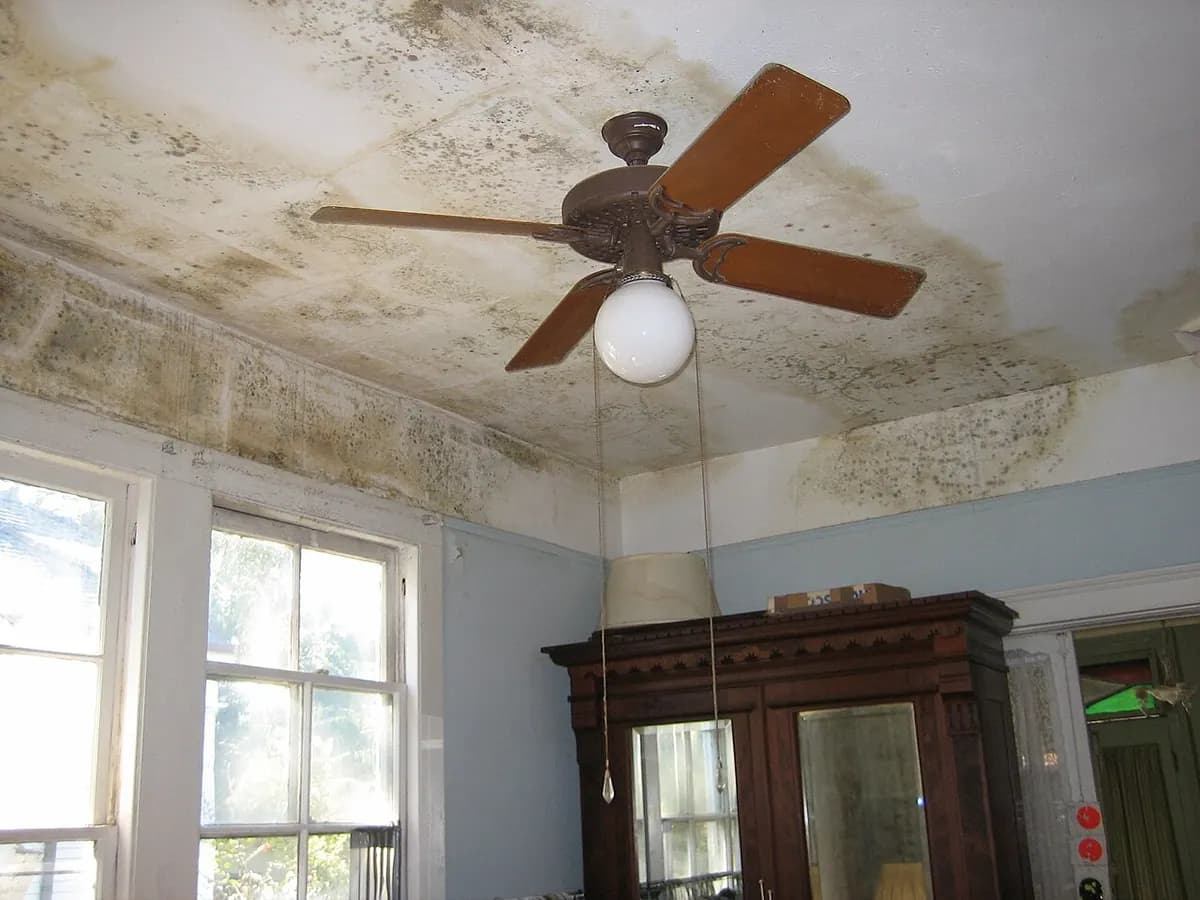
Mold on a ceiling
Fix the water or it returns
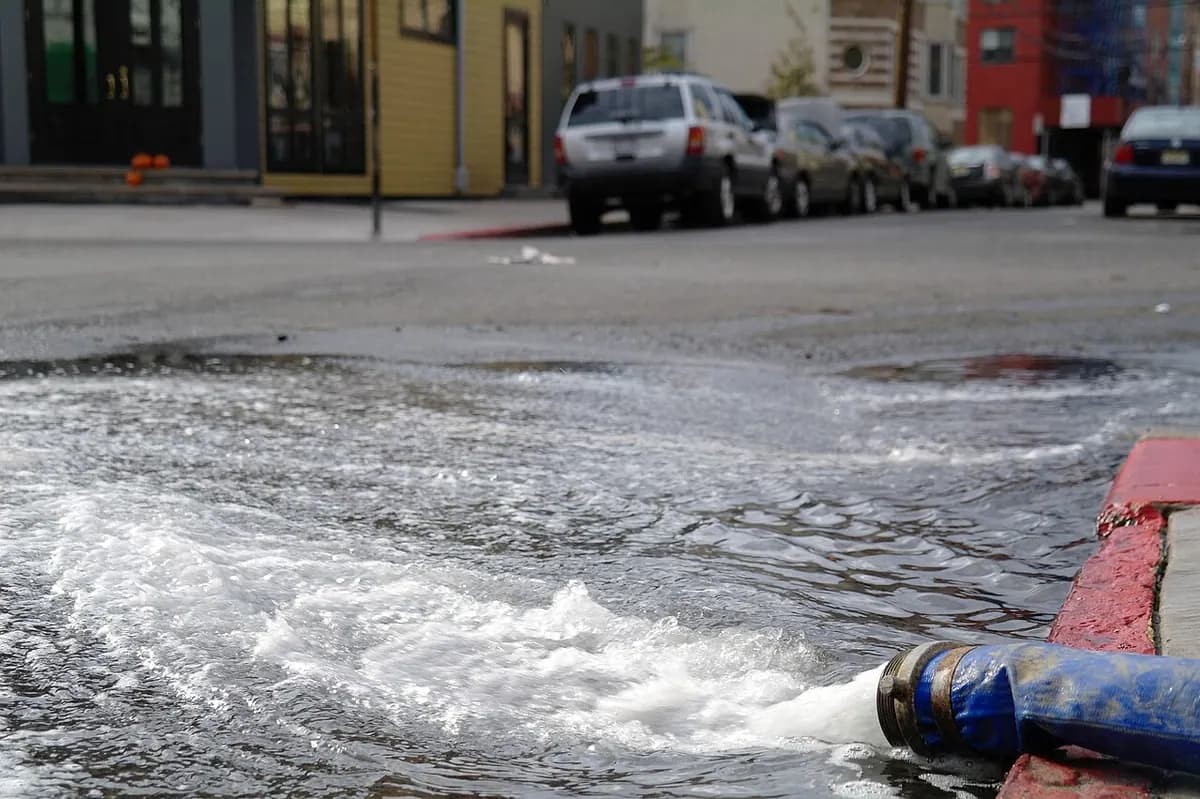
Pumping out
Then drying; ask how it is confirmed
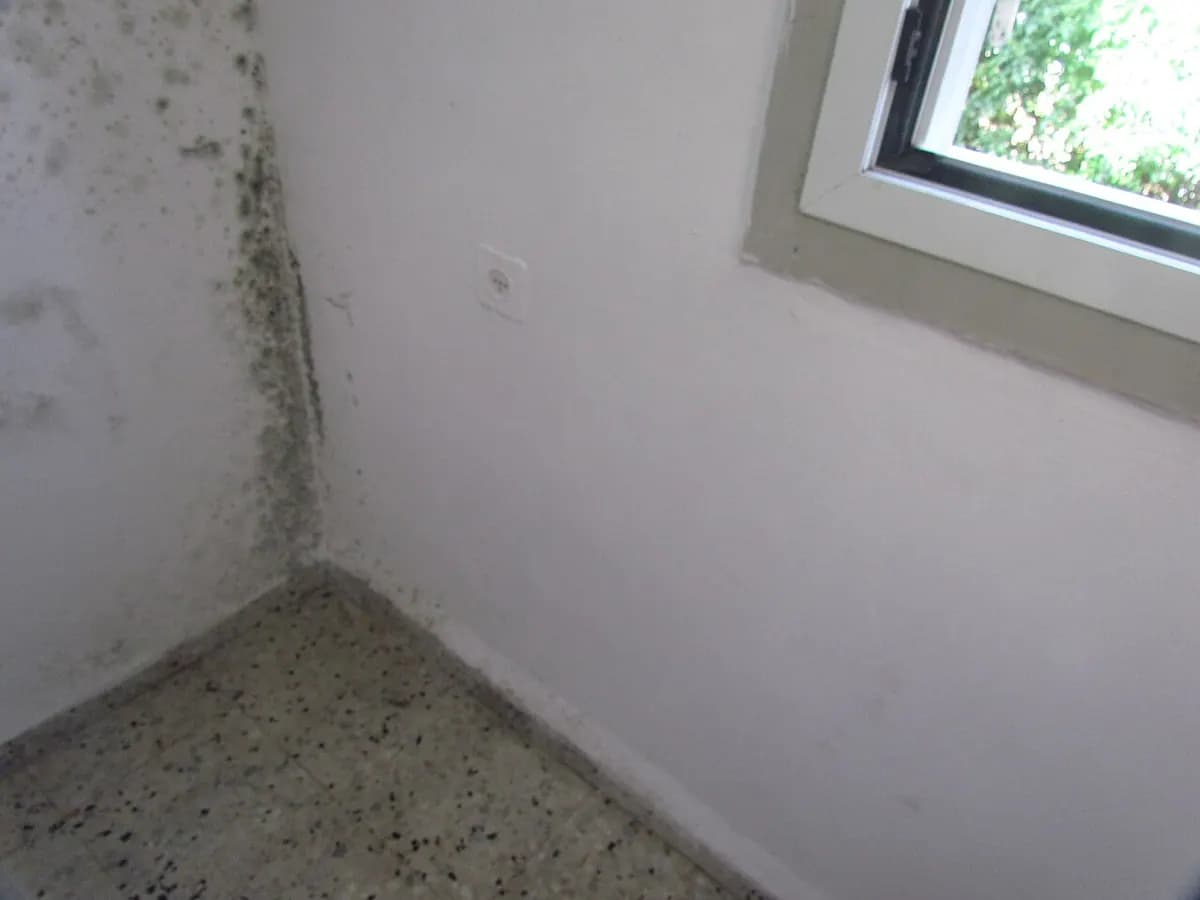
Mold by a window
Testing and cleanup are different jobs
Red flags
4 of 12Signing over your claim
Understand any form before you sign it.
"Insurance pays for everything"
Your insurer decides coverage.
Tear-out with no moisture readings
Ask what is actually wet.
Drying days don't match the log
Equipment billed should match readings.
8 more red flags
A company that arrives unprompted after a disaster.
Pressure to sign today, or a price that is only good right now.
A fair quote is still fair tomorrow.
No written quote, or a quote that is a single total with no detail about what is included.
A large payment up front, or a request for cash only.
Some states limit how much a contractor can ask for before work starts.
A license number that does not check out.
Where your state licenses this trade, look the number up yourself on the state licensing board's site.
No proof of insurance.
Ask for a certificate sent to you directly by the insurer or the agent.
A price far below every other quote, followed by extras once the work has started.
Someone who knocks on your door uninvited, or who will not give recent local references.
Where homeowners say it goes wrong
- They're overwhelmed and don't know who to call, what to do first, or whether it's even safe to stay in the house
- They're terrified of the cost and confused about whether and how their insurance covers it
- They don't know the difference between mitigation and the rebuild, or how long drying takes, or what's salvageable
- They worry about hidden mold and long-term damage they can't see behind walls or under floors
- They've been told to act within 24-48 hours before mold sets in and they feel the clock running
- They fear a contractor will overcharge or pad the insurance claim, or that the carrier will fight them on coverage
Ask every restoration company
What will you do on the first day, and what will you document (moisture readings, photos) so my insurer can see it?
How many fans and dehumidifiers do you expect to use and for how many days, and how will you know the structure is dry?
What is mitigation and what is rebuilding in your estimate, and do you do both or hand off?
2 more questions
Are you licensed where this work requires it, and insured? Can I see the license number and a certificate of insurance sent to me by your insurer?
What exactly does the warranty cover, for how long, and who honors it (you, the manufacturer, or both)? Will you put it in writing?
Permits
Some of this work needs a permit and some does not. It depends on the scope of the job and where you live.
Emergency drying and tarping usually do not need a permit. Rebuilding after damage often does, and fire or mold remediation can have its own local rules.
- Your building department decides what applies at your address. Rules differ by city and county, and HOA, condo or historic-district rules can add more.
- Ask who pulls the permit. Normally the licensed contractor does and the price includes it. If a contractor asks you to pull it in your own name, ask why: it can shift responsibility for the work to you.
- If you are unsure, call your local building department before you sign. Unpermitted work can cause problems with insurance and when you sell.
Words you'll see
Mitigation
Stopping the damage from getting worse: removing water, drying and protecting the structure. Reconstruction, the repair and rebuild, comes after.
What this trade covers
9 kinds of jobsAs the trade lists them
- 24/7 emergency water damage mitigation: extraction of standing water, structural drying, and dehumidification (burst pipes, appliance/water-heater leaks, roof leaks, groundwater/sump failures)
- Sewage and category-3 (black water) cleanup with biohazard handling and antimicrobial treatment
- Fire and smoke damage restoration: soot removal, smoke-odor remediation (HEPA, thermal fogging/ozone/hydroxyl), and post-fire cleanup
- Mold remediation: containment, negative-air/HEPA filtration, removal, antimicrobial treatment, and post-remediation clearance
- Storm and wind damage response: emergency board-up, roof tarping, and securing the property against further intrusion
- Structural drying and moisture mapping with daily monitoring to a documented dry standard
- Contents pack-out, inventory, cleaning, and storage
- Reconstruction / rebuild after mitigation (drywall, flooring, paint, trim, cabinetry, structural repair)
- Insurance-claim coordination and documentation (working with the adjuster, often Xactimate-based scoping)
How people describe itUrgent calls and planned ones
When it can't wait
- “My basement is flooding right now, there's two inches of water and it's still coming in”
- “A pipe just burst and water is pouring through the ceiling”
- “The toilet/sewer is backing up and there's sewage all over the bathroom floor”
- “We just had a fire, the fire department left, and the house is full of smoke and water”
- “A storm tore part of the roof off and rain is coming into the bedrooms”
- “The water heater let go and the whole first floor is soaked”
- “There's water all over and it's near the outlets and the electrical panel”
When it can be planned
- “We had a leak a while ago, it dried out, but now I'm worried about mold and want it checked”
- “I see some mold in the bathroom/basement and want someone to inspect it”
- “There's a lingering smoke smell from an old fire and I want a quote to get rid of it”
- “The mitigation is done and dried out - now I need an estimate to rebuild the rooms”
- “I'd like a quote to fix water damage that's not active anymore”
- “Do you do contents cleaning / pack-out, and how does that work?”
- “I want to understand my options before I file an insurance claim”
Paying for it
Before you finance anything6 basics, then the financing guide
Most home projects can be paid in cash or financed. A few basics before you sign anything:
- Ask for the cash price and the financed price in writing, for the same scope of work. They can differ, because a financing fee (sometimes called a dealer fee) may be built into the financed price.
- Compare the total you will pay over the whole loan, not just the monthly payment.
- Read the fine print on same-as-cash and zero-interest offers, especially what happens if the balance is not paid in full by the end of the promotional period.
- PACE financing is repaid through your property tax bill and can place a lien on your home. Read the terms closely, and consider asking your mortgage servicer how it is treated, before you agree.
- Utility and state programs sometimes offer low-rate loans for efficiency work. Check yours before accepting the contractor's offer.
- Take loan paperwork home and read it. A sign-it-today loan is a reason to slow down.
There is more in the financing guide.financing guide
We are not a lender and do not arrange loans. Financing information here is general education; lenders decide terms.
What an expert knows
Short notes from public sources such as federal agencies, safety groups and trade associations. Each note links to the page it came from, and every page was opened and read on 2026-10-03. This is a starting point, not a complete list of every rule or program, and it is general information, not legal, tax, engineering or insurance advice. Rules and prices vary by place, so confirm what applies at your address.
Types, pros, cons and lifespan6 notes, each with its source
- Standing water first: Use a wet vacuum to remove water from floors, carpets and hard surfaces, then dry the home and everything in it within 24 to 48 hours if you can.FEMA and CDC: Homeowner's and Renter's Guide to Mold Cleanup After Disasters (opens in a new tab)
- Fans and dehumidifiers: When electricity is safe, use fans and dehumidifiers to pull out moisture. Do not use fans if mold has already started to grow, because they can spread it.FEMA and CDC: Homeowner's and Renter's Guide to Mold Cleanup After Disasters (opens in a new tab)
- Protective gear: At a minimum wear an N-95 respirator, goggles with no vent holes and gloves. For heavy work such as ripping out moldy drywall, use a half-face or full-face respirator.FEMA and CDC: Homeowner's and Renter's Guide to Mold Cleanup After Disasters (opens in a new tab)
- Contaminated water: Flood water can carry sewage or chemicals. The industry standard treats Category 3 as grossly contaminated water, and weather alone such as wind-driven rain is not automatically Category 3, so ask how your water was classified.IICRC S500 Consensus Body: Category of Water Damage and Weather-Related Events (opens in a new tab)
- Fire, smoke and soot: Things the flames never touched may still be ruined by smoke and soaked by firefighting water. The soot and dirty water left behind can make you sick.U.S. Fire Administration: After the Fire (FA-46) (opens in a new tab)
- Mold remediation pros: Hire a mold inspection or remediation professional affiliated with or certified by NEHA, AIHA, IICRC or ACAC. Your state may also regulate mold remediation.FEMA and CDC: Homeowner's and Renter's Guide to Mold Cleanup After Disasters (opens in a new tab)
Sizing and choosing4 notes, each with its source
- Small mold areas: If the moldy area is less than about 10 square feet, roughly a 3 by 3 foot patch, you can often handle it yourself by following EPA's guidance.EPA: A Brief Guide to Mold, Moisture and Your Home (opens in a new tab)
- When to call a professional: Call a professional with experience if sewage or other contaminated water caused the damage, or if you have health concerns.EPA: A Brief Guide to Mold, Moisture and Your Home (opens in a new tab)
- The 24 to 48 hour window: If a flooded home and its contents were not dried within 24 to 48 hours, assume you have mold growth. It may be hidden under carpet, cushions or behind walls.FEMA and CDC: Homeowner's and Renter's Guide to Mold Cleanup After Disasters (opens in a new tab)
- Suspect the HVAC: If the heating and cooling system may be contaminated, do not run it, because it could spread mold through the building.EPA: A Brief Guide to Mold, Moisture and Your Home (opens in a new tab)
Maintenance by season4 notes, each with its source
- After any leak or spill: Act quickly. If wet or damp materials are dried within 24 to 48 hours, in most cases mold will not grow.EPA: A Brief Guide to Mold, Moisture and Your Home (opens in a new tab)
- Every season: Clean and repair roof gutters regularly, and fix plumbing leaks as soon as possible.EPA: A Brief Guide to Mold, Moisture and Your Home (opens in a new tab)
- Bathrooms and other damp spots: Run a fan or open a window and clean more often to keep recurring mold down.EPA: A Brief Guide to Mold, Moisture and Your Home (opens in a new tab)
- Storm season: If you run a portable generator after a storm, keep it outside and at least 20 feet from buildings, away from doors, vents and windows.FEMA and CDC: Homeowner's and Renter's Guide to Mold Cleanup After Disasters (opens in a new tab)
Code and permit basics4 notes, each with its source
- Re-entry safety: Do not go back into a flooded home until it has been examined for safety. Have an electrician inspect the electrical system before power is restored. This is general information, not legal advice.CDC: Safety Guidelines, Reentering Your Flooded Home (opens in a new tab)
- After a fire: Do not enter until the fire department says it is safe. The fire department makes sure utilities are safe, and you should not turn them back on yourself.U.S. Fire Administration: After the Fire (FA-46) (opens in a new tab)
- State mold rules: Your state may regulate mold remediation, so ask a professional what applies where you live.FEMA and CDC: Homeowner's and Renter's Guide to Mold Cleanup After Disasters (opens in a new tab)
- Repairs need permits too: Permits are generally required for alterations, repairs and additions, and for development in a floodplain. Check with your local code official before rebuilding.FEMA Building Codes Toolkit: Checklist to Acquire a Building Permit (opens in a new tab)
What moves the price4 notes, each with its source
- How fast drying starts: Drying your home and removing water-damaged items is the most important step for preventing mold damage. Past 24 to 48 hours, assume mold and expect more removal.FEMA and CDC: Homeowner's and Renter's Guide to Mold Cleanup After Disasters (opens in a new tab)
- What cannot be saved: Absorbent materials such as carpet and ceiling tiles may have to be thrown away, and so may anything flood-wet that cannot be cleaned and dried within 24 to 48 hours.FEMA and CDC: Homeowner's and Renter's Guide to Mold Cleanup After Disasters (opens in a new tab)
- Contaminated water: Sewage and flood water need a professional with experience cleaning buildings damaged by contaminated water.EPA: A Brief Guide to Mold, Moisture and Your Home (opens in a new tab)
- Who pays: Find out whether you or your insurance company will pay for cleaning before you hire a restoration company.U.S. Fire Administration: After the Fire (FA-46) (opens in a new tab)
Common scams4 notes, each with its source
- Pushing mold testing: Sampling for mold is not usually recommended, because whatever kind of mold it is you need to clean it up and fix the moisture problem.FEMA and CDC: Homeowner's and Renter's Guide to Mold Cleanup After Disasters (opens in a new tab)
- Assignment of benefits: An AOB lets a contractor handle your insurance claim, and you can lose your right to mediation. You are not required to sign one to get repairs done.NAIC: Assignment of Benefits, Consumer Beware (opens in a new tab)
- Out-of-town contractors: Out-of-town scam artists may be the first at your door after a disaster. Be wary of unrealistically low bids and large up-front payments.FEMA: Beware of Post-Disaster Contractor Fraud (opens in a new tab)
- Sign over the check: Never sign over your insurance check to a contractor, and pay by card or check, not cash, wire or gift cards.FTC: How To Avoid Scams After Weather Emergencies and Natural Disasters (opens in a new tab)
Ask for this in writing4 notes, each with its source
- Certifications: Proof of NEHA, AIHA, IICRC or ACAC affiliation for mold work, plus license and insurance where required.FEMA and CDC: Homeowner's and Renter's Guide to Mold Cleanup After Disasters (opens in a new tab)
- Which guidelines they follow: Ask the contractor to follow EPA's mold remediation recommendations or other guidelines from professional or government organizations.EPA: A Brief Guide to Mold, Moisture and Your Home (opens in a new tab)
- Who pays: Who is billing whom, and whether you or your insurer pays.U.S. Fire Administration: After the Fire (FA-46) (opens in a new tab)
- Scope and price: The work, materials, completion date and price, in a written estimate and contract.FTC: How To Avoid a Home Improvement Scam (opens in a new tab)
Repair or replace5 notes, each with its source
- Hard surfaces: Scrub mold off hard surfaces with detergent and water and dry completely. Do not mix bleach and ammonia.FEMA and CDC: Homeowner's and Renter's Guide to Mold Cleanup After Disasters (opens in a new tab)
- Porous materials: Carpet and ceiling tiles may need to be thrown away because mold fills their empty spaces and is hard to remove.EPA: A Brief Guide to Mold, Moisture and Your Home (opens in a new tab)
- Do not paint over mold: Painting or caulking over mold will not stop it. Fix the water problem and clean all the mold first.FEMA and CDC: Homeowner's and Renter's Guide to Mold Cleanup After Disasters (opens in a new tab)
- Keepsakes: For precious items, follow the Smithsonian's conservation guidelines instead of using household cleaners.FEMA and CDC: Homeowner's and Renter's Guide to Mold Cleanup After Disasters (opens in a new tab)
- Fire-damaged belongings: Anything you want to save or reuse needs cleaning, and companies specialize in restoring personal items. Ask your insurer for names it trusts.U.S. Fire Administration: After the Fire (FA-46) (opens in a new tab)
Questions to ask an expert5 notes, each with its source
- Are you certified for water and mold work? Ask about NEHA, AIHA, IICRC or ACAC.FEMA and CDC: Homeowner's and Renter's Guide to Mold Cleanup After Disasters (opens in a new tab)
- How will you confirm the moisture problem is fixed? The site should show no signs of water damage or mold after cleanup.EPA: A Brief Guide to Mold, Moisture and Your Home (opens in a new tab)
- Is this contaminated water, and how do you handle it? Ask about protective measures and disposal.IICRC S500 Consensus Body: Category of Water Damage and Weather-Related Events (opens in a new tab)
- Do I have to sign an assignment of benefits? You do not need to sign one to get repairs done.NAIC: Assignment of Benefits, Consumer Beware (opens in a new tab)
- Who will pay for the cleaning, me or my insurer? Confirm it before work starts.U.S. Fire Administration: After the Fire (FA-46) (opens in a new tab)
General information, not legal, tax, engineering or insurance advice. Photos credited with their licenses; drawings made for this site. Guide updated October 3, 2026.