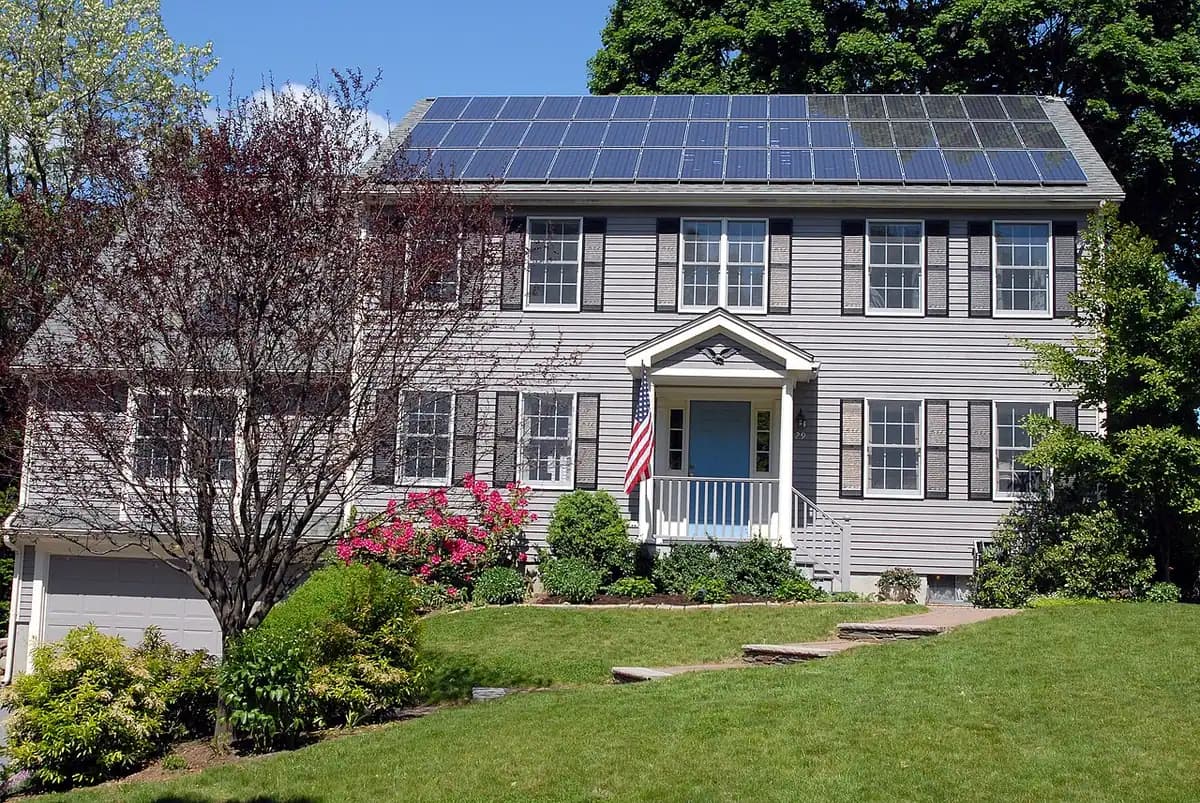
Photo: Gray Watson User:E090, “Solar panels on house roof”, CC BY-SA 3.0, via Wikimedia Commons. Resized and converted to WebP; shown cropped.
Solar & batteries
Rooftop solar, batteries, inverters, net metering.
On this page12 sections: urgent, quote, red flags, permits…
Is it urgent?
Smoke, flames or a burning smell near panels or a battery? Get everyone out and call 911.
Emergency: call now
- Burning smell, smoke, sparks
- Hot or swelling battery
- Exposed live wiring
- Roof leak at a panel mount
Within a day or two
- System offline for days
- Inverter fault code
- No battery backup in outages
- Contained roof leak
Can wait: schedule it
- Low production
- One microinverter offline
- Panel cleaning
- Net-metering question
- Quote for a new system
The full list, in the guide's words
Safety first: If you see smoke or flames, or smell burning near panels, an inverter or a battery, get everyone out and call 911. If it is safe to reach them, shut off the AC and DC disconnects. A battery that is hot, swelling or beeping needs your installer or the manufacturer right away.
Emergency: call now
- A burning smell, smoke, sparking or visible flames
- A hot, swelling or beeping battery
- Hanging or exposed live wiring, or electrified racking
- An active roof leak where a panel mounts, during or after a storm
Within a day or two
- A system that is fully offline with no production for several days
- An inverter showing a fault or error code
- A battery that does not provide backup during outages
- A roof leak that is contained but ongoing
Can wait: schedule it
- Lower-than-expected production, or a monitoring app that will not sync
- A single microinverter offline, or panel cleaning
- Questions about your bill or net-metering credits, system expansion or a new-system quote
This is general guidance, not a diagnosis. If anyone is in danger, call 911 first.
What's on a solar & batteries quote
Size & productionAsk: how was production estimated?
The size in kW and the expected yearly production in kWh. Ask how it was estimated: roof direction, tilt, shading and your rate plan.
EquipmentAsk: brand and model of each part
The panels, the inverter or microinverters, and an optional battery, each by brand and model.
Mounting & roof workAsk: who answers for roof leaks?
Racking, flashing and roof penetrations. Ask who is responsible if the roof leaks later.
Electrical workAsk: is a panel upgrade needed?
A main panel upgrade if needed, disconnects and wiring.
Permits & utilityAsk: how long until it can run?
The permit, the inspection, the utility's interconnection approval and permission to operate. Ask about the timeline.
Ownership & paymentAsk: the full price, not only monthly
Cash, loan, lease or power-purchase agreement. Ask for the price spelled out for each, not only a monthly payment.
What a good estimate spells out9 things to look for
- The contractor's legal name, license number if one applies, and contact details, plus your name and address.
- What work is included, and what is not.
- The brand, model and size of major equipment and materials, not just standard or builder grade.
- Who pulls the permit and who pays for it and for inspections.
- Cleanup, and what happens to the old materials.
- A start date and a realistic finish date, and what happens if the schedule slips.
- Warranty terms: what is covered, for how long and who honors it.
- When and how you pay, tied to finished stages of work rather than just dates.
- How changes are handled: a written price for any change before the work happens.
Know what you're looking at
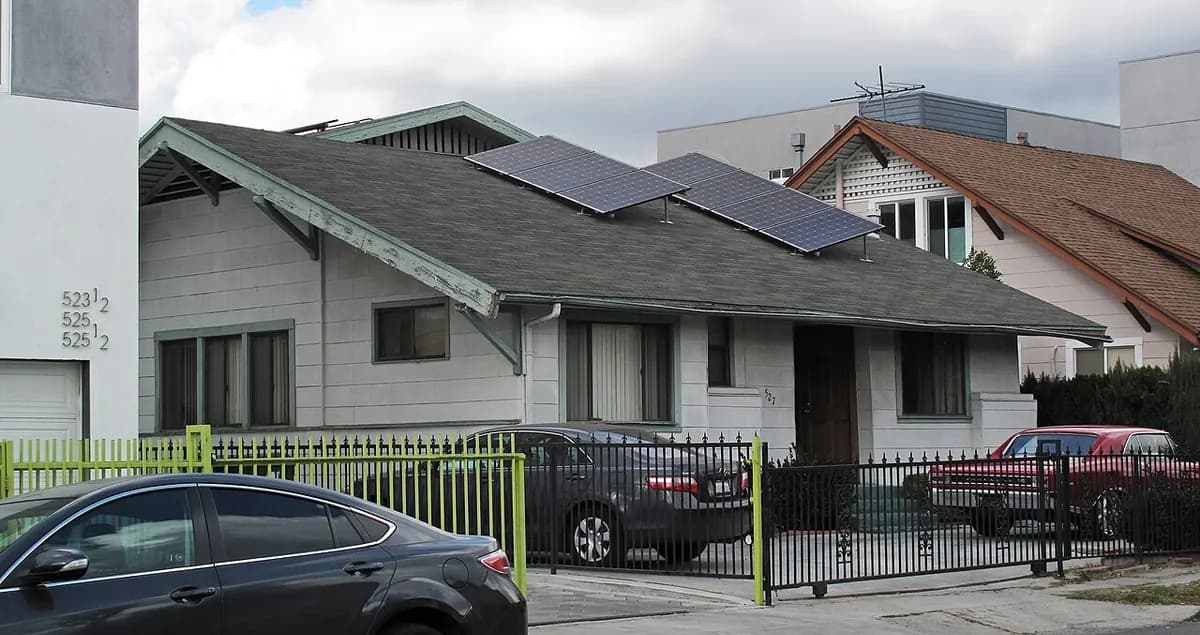
Panels on one slope
Ask what happens if the roof needs work
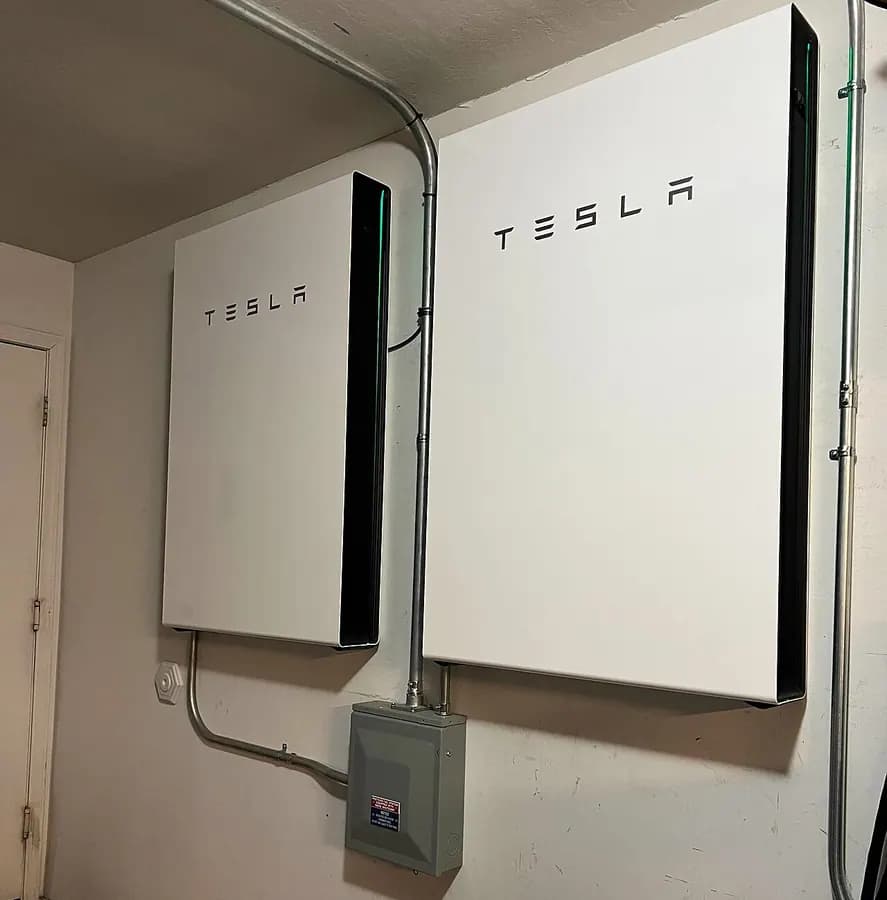
Home battery
Ask which circuits it backs up
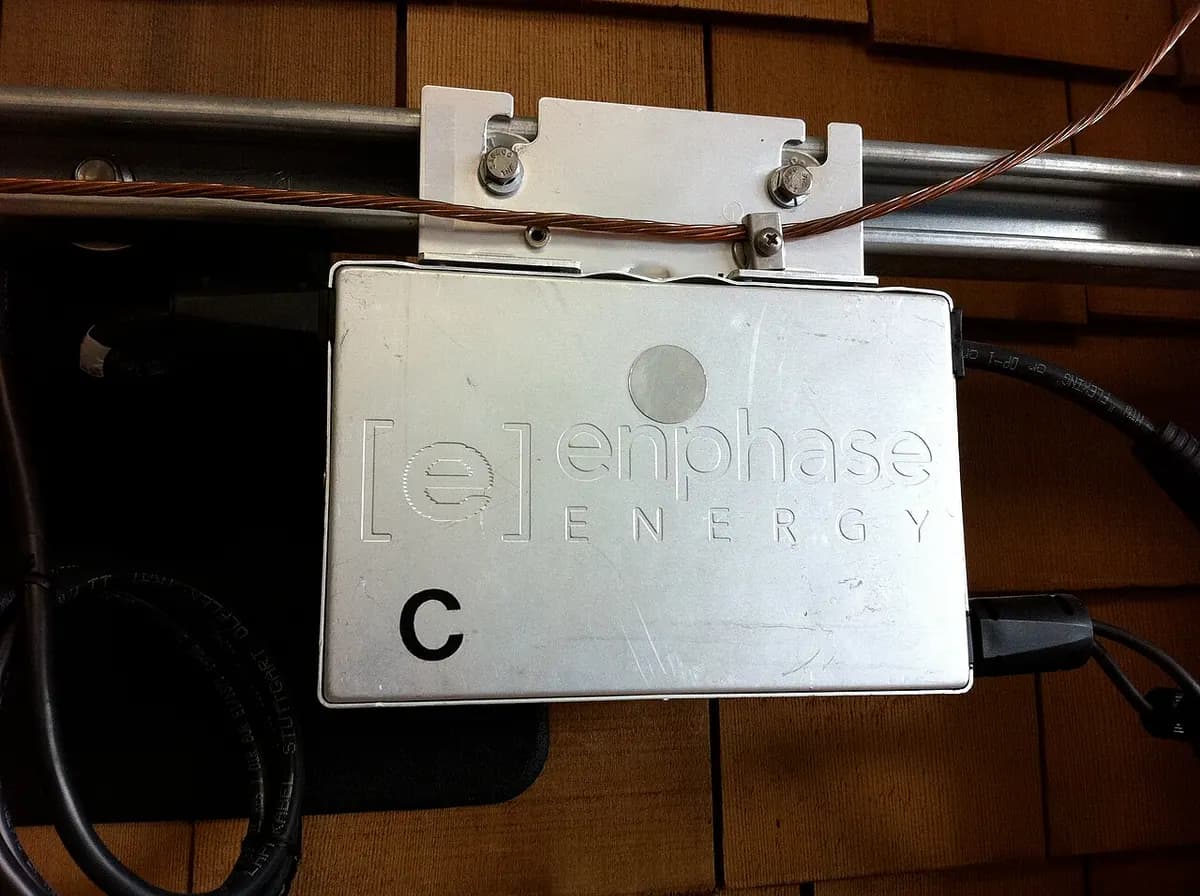
Microinverter
Turns panel power into house power
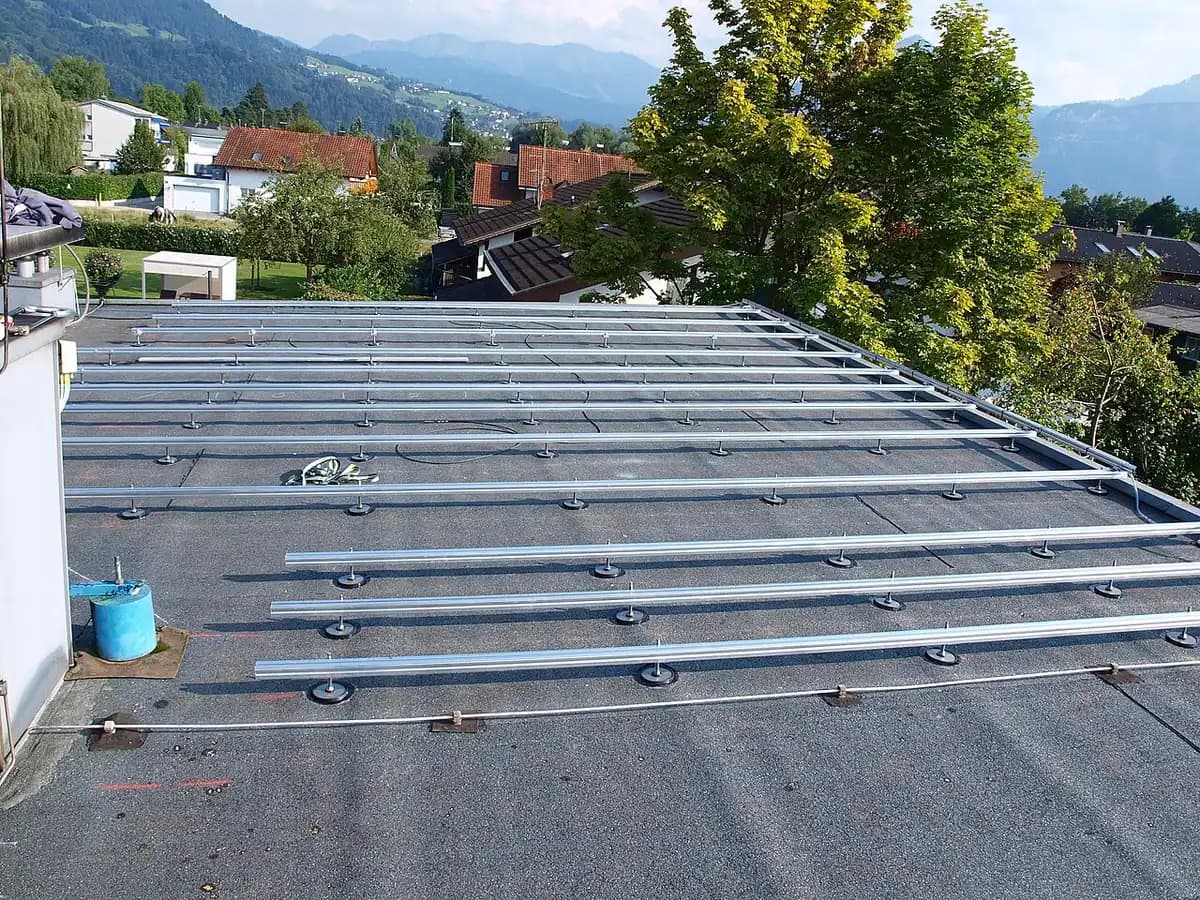
Mounting rails
How they are sealed matters for leaks
Red flags
4 of 11Bill or savings promised
Ask for the assumptions behind any savings.
Only a monthly payment shown
Ask for the cash price, size and loan terms.
An ended tax credit offered
That credit ended. Ask who claims any incentive.
An installer you can't verify
Ask who services it if the company closes.
7 more red flags
Pressure to sign today, or a price that is only good right now.
A fair quote is still fair tomorrow.
No written quote, or a quote that is a single total with no detail about what is included.
A large payment up front, or a request for cash only.
Some states limit how much a contractor can ask for before work starts.
A license number that does not check out.
Where your state licenses this trade, look the number up yourself on the state licensing board's site.
No proof of insurance.
Ask for a certificate sent to you directly by the insurer or the agent.
A price far below every other quote, followed by extras once the work has started.
Someone who knocks on your door uninvited, or who will not give recent local references.
Where homeowners say it goes wrong
- Promised savings never materialized — the electric bill is still high and they feel misled by the original salesperson
- The original installer went out of business or won't return calls, so they have an 'orphaned' system no one will service
- System has been offline / producing nothing for weeks and they're still paying a loan payment on it
- Net-metering rules changed (NEM 3.0 / net billing) and their credits are worth far less than expected
- Months of waiting on permits, inspections, and utility permission-to-operate before the system can even turn on
Ask every solar installer
What yearly production do you expect, and what assumptions (roof direction, shading, my rate plan) is that based on?
How do my utility's net-metering or net-billing rules change what the system saves me, and who handles the interconnection paperwork and the wait for permission to operate?
If your company closes, who services the equipment, and how do the panel and inverter warranties carry on?
2 more questions
Are you licensed where this work requires it, and insured? Can I see the license number and a certificate of insurance sent to me by your insurer?
What exactly does the warranty cover, for how long, and who honors it (you, the manufacturer, or both)? Will you put it in writing?
Permits
Work like this usually needs a permit.
Solar installs are usually permitted and inspected, and the utility must also approve connecting the system before you can switch it on. Roof penetrations and a main panel upgrade can add their own requirements.
- Your building department decides what applies at your address. Rules differ by city and county, and HOA, condo or historic-district rules can add more.
- Ask who pulls the permit. Normally the licensed contractor does and the price includes it. If a contractor asks you to pull it in your own name, ask why: it can shift responsibility for the work to you.
- If you are unsure, call your local building department before you sign. Unpermitted work can cause problems with insurance and when you sell.
Words you'll see
Inverter
Converts the DC power from the panels into the AC power your home uses.
What this trade covers
13 kinds of jobsAs the trade lists them
- Residential rooftop solar PV system design and installation
- Battery storage / backup installation
- Solar + storage system add-on / battery retrofit to an existing array
- Inverter replacement or upgrade (string, microinverter, hybrid)
- System repair and troubleshooting (low production, offline inverter, faulty optimizer)
- Panel removal and reinstall for roof replacement (R&R / detach-and-reset)
- Annual maintenance, panel cleaning, and production health checks
- Monitoring setup and troubleshooting
- Net metering / interconnection application and utility permission-to-operate (PTO)
- EV charger installation paired with solar
- Ground-mount and carport / pergola solar systems
- System expansion (adding panels to increase array size)
- VPP (virtual power plant) program enrollment and battery setup
How people describe itUrgent calls and planned ones
When it can't wait
- “There's a burning smell coming from my inverter / the box on the wall”
- “I see smoke or sparks near my solar equipment”
- “My inverter is making a loud buzzing or crackling sound”
- “There's a fire near the panels on my roof”
- “My system is showing an arc fault alarm / red light and I smell something hot”
- “My Powerwall / battery is beeping, hot, or swelling”
- “Water is pouring through my roof where the panels are bolted down after the storm”
- “The disconnect box outside is sparking / making a popping noise”
- “A panel came loose / blew off the roof in the wind and wires are hanging”
- “I touched the conduit and got a shock / the metal racking is electrified”
When it can be planned
- “My production is lower than last month / lower than what I was promised”
- “My monitoring app stopped updating or won't log in”
- “One of my panels (microinverter) shows offline in the app”
- “I want a quote for adding solar / how much would a system cost”
- “I want to add a battery to my existing solar”
- “My electric bill is still high even with solar — can someone explain it”
- “I'm getting a roof replaced and need the panels taken off and put back”
- “When will my system get turned on / what's the status of my permit”
Rebates and credits
Rebates and credits change often and differ by state, utility and sometimes county.
- Start with your state energy office and the ENERGY STAR rebate finder.ENERGY STAR rebate finder (opens in a new tab)
- The federal 25C and 25D credits ended for property placed in service after 2025-12-31 (IRS: 25C, 25D). Do not count on them for new work, and ask a tax professional about your situation.25C (opens in a new tab)25D (opens in a new tab)
- Federal credits for homeowner-owned solar (25D) ended for systems placed in service after 2025-12-31. State, local and utility programs, and how your utility credits the power you send back to the grid (net metering or net billing), still vary a lot and change often.
- Programs often have conditions: a specific equipment rating, an approved installer, or approval before you buy. Confirm the rules before you sign, not after.
Paying for it
Before you finance anything6 basics, then the financing guide
Most home projects can be paid in cash or financed. A few basics before you sign anything:
- Ask for the cash price and the financed price in writing, for the same scope of work. They can differ, because a financing fee (sometimes called a dealer fee) may be built into the financed price.
- Compare the total you will pay over the whole loan, not just the monthly payment.
- Read the fine print on same-as-cash and zero-interest offers, especially what happens if the balance is not paid in full by the end of the promotional period.
- PACE financing is repaid through your property tax bill and can place a lien on your home. Read the terms closely, and consider asking your mortgage servicer how it is treated, before you agree.
- Utility and state programs sometimes offer low-rate loans for efficiency work. Check yours before accepting the contractor's offer.
- Take loan paperwork home and read it. A sign-it-today loan is a reason to slow down.
There is more in the financing guide.financing guide
We are not a lender and do not arrange loans. Financing information here is general education; lenders decide terms.
What an expert knows
Short notes from public sources such as federal agencies, safety groups and trade associations. Each note links to the page it came from, and every page was opened and read on 2026-10-03. This is a starting point, not a complete list of every rule or program, and it is general information, not legal, tax, engineering or insurance advice. Rules and prices vary by place, so confirm what applies at your address.
Types, pros, cons and lifespan6 notes, each with its source
- Rooftop solar panels: Panels usually carry a 20-year warranty. Output varies by season, with more in summer and less in winter.ENERGY STAR: Rooftop Solar (opens in a new tab)
- String inverter versus microinverters: String inverters typically carry a 10-year warranty, while microinverters can be covered up to 25 years. Panels usually carry a longer warranty than a string inverter.ENERGY STAR: Rooftop Solar (opens in a new tab)
- Battery storage: Adding batteries lets you use daytime solar power later, such as in the evening or during an outage. Ask your installer whether they offer battery options.DOE Solar Energy Technologies Office: Homeowner's Guide to Going Solar (opens in a new tab)
- Community solar: If your roof is unsuitable or you do not own your home, you can buy into a shared solar array, on-site or off-site.DOE Solar Energy Technologies Office: Homeowner's Guide to Going Solar (opens in a new tab)
- Solar roofing materials: Solar shingles, tiles and panels exist, and installing them requires familiarity with electrical systems as well as roofing.NRCA: Steep-Slope Roofing Materials (opens in a new tab)
- Buy, loan, lease or PPA: A purchased system generally costs less in total than one installed with a loan, lease or power purchase agreement. With a lease or PPA you do not own the system and are not entitled to the tax benefits.DOE Solar Energy Technologies Office: Homeowner's Guide to Going Solar (opens in a new tab)
Sizing and choosing4 notes, each with its source
- Typical system size: DOE's labs use an average residential system of about 7 kilowatts, within a range of 3 to 11. Use the PVWatts calculator to estimate output for your address, then get a custom estimate from an installer.DOE Solar Energy Technologies Office: Homeowner's Guide to Going Solar (opens in a new tab)
- Roof direction and slope: Panels typically perform best on south-facing roofs with a slope between 15 and 40 degrees, though other roofs may work.DOE Solar Energy Technologies Office: Homeowner's Guide to Going Solar (opens in a new tab)
- Shade matters: Trees, nearby homes and buildings can cut production. Tools such as Google Project Sunroof and PVWatts can help assess it.ENERGY STAR: Rooftop Solar (opens in a new tab)
- Design around your own use: Some states pay less for exported power than the retail rate, so a system sized to your actual electricity use can pay off better.ENERGY STAR: Rooftop Solar (opens in a new tab)
Maintenance by season4 notes, each with its source
- Who maintains it: If you own the system, you maintain it or pay someone to, unless the contract includes it. Under a lease the company usually handles maintenance.FTC: Solar Power for Your Home (opens in a new tab)
- Ask about cleaning and monitoring: Good providers are open about maintenance, cleaning, monitoring and all expected costs.ENERGY STAR: Rooftop Solar (opens in a new tab)
- Roof repairs after install: Ask what happens if the roof needs repair after the system is installed.FTC: Solar Power for Your Home (opens in a new tab)
- Seasonal output: Expect more production in summer and less in winter, and judge your system over a full year.ENERGY STAR: Rooftop Solar (opens in a new tab)
Code and permit basics5 notes, each with its source
- Use certified professionals: DOE says the best way to install solar is through a qualified professional. The industry-standard certification is from NABCEP. This is general information, not legal advice.DOE Solar Energy Technologies Office: Homeowner's Guide to Going Solar (opens in a new tab)
- License requirements: Your state may require an installer to hold an electrical contractor's license. Check the company with your state contractors licensing board and consumer protection agencies.FTC: Solar Power for Your Home (opens in a new tab)
- Permits and interconnection: Compare bids on the full installation cost, including building or electrical permit fees. Ask whether your home needs updated wiring or a new utility interconnection.FTC: Solar Power for Your Home (opens in a new tab)
- Net metering is local: Whether you get net metering credits depends on your state and utility. Ask about availability, eligible system size, rates and how bill credits work.DOE Solar Energy Technologies Office: Homeowner's Guide to Going Solar (opens in a new tab)
- Check incentives by ZIP: DSIRE, run by NC State with DOE funding, lists incentives and policies for your ZIP code.DOE Solar Energy Technologies Office: Homeowner's Guide to Going Solar (opens in a new tab)
What moves the price5 notes, each with its source
- How you pay: Buying generally has the lowest total cost. Loans can cut up-front cost. Leases and PPAs need little or no money down but you give up tax benefits.DOE Solar Energy Technologies Office: Homeowner's Guide to Going Solar (opens in a new tab)
- Home upgrades: Ask whether you need a new roof, updated wiring, tree clearing or an updated utility interconnection.ENERGY STAR: Rooftop Solar (opens in a new tab)
- Your savings drivers: Savings depend on your usage, system size, buy-versus-lease choice, how much sun your roof gets, your utility rates and how the utility compensates exports.DOE Solar Energy Technologies Office: Homeowner's Guide to Going Solar (opens in a new tab)
- Permit fees: Building and electrical permit fees are part of the full installation cost to compare.FTC: Solar Power for Your Home (opens in a new tab)
- Batteries: Storage is an add-on that raises cost and changes how you use solar power.DOE Solar Energy Technologies Office: Homeowner's Guide to Going Solar (opens in a new tab)
Common scams5 notes, each with its source
- Pressure and cash: Never deal with a company that pressures you for a quick decision, wants you to sign without time to review, or asks you to pay in cash.FTC: Solar Power for Your Home (opens in a new tab)
- Terms that do not match the pitch: Check that the contract terms match what the ads, proposals and salespeople said.FTC: Solar Power for Your Home (opens in a new tab)
- Sunny savings promises: A company may project rising utility rates to show big savings. It is hard to predict future rates, so treat those projections with care.FTC: Solar Power for Your Home (opens in a new tab)
- PACE financing: PACE places a property tax lien on your home that is paid with your tax bill and can take priority over your mortgage. Some mortgages do not allow it.FTC: Solar Power for Your Home (opens in a new tab)
- Hard-to-end leases: Leases and PPAs can last 20 years, payments may rise over time, and ending early can be difficult and costly.FTC: Solar Power for Your Home (opens in a new tab)
Ask for this in writing5 notes, each with its source
- System details: Brand, size and expected performance of the system in the bid.FTC: Solar Power for Your Home (opens in a new tab)
- Warranties and repairs: What the equipment and workmanship warranties cover, for how long, and what happens if the roof needs repair after installation.FTC: Solar Power for Your Home (opens in a new tab)
- Savings and assumptions: Estimated savings with the assumptions behind them, plus monitoring and maintenance terms.ENERGY STAR: Rooftop Solar (opens in a new tab)
- Home sale effects: How a lease or PPA affects selling your home, and whether the contract transfers to a buyer.FTC: Solar Power for Your Home (opens in a new tab)
- Total price: The full cost of installation, including permit fees.FTC: Solar Power for Your Home (opens in a new tab)
Repair or replace4 notes, each with its source
- Replace a worn roof first: If your roof needs work, replacing it before panels avoids removing and reinstalling them later. Tell the roofer solar is coming and ask them to check the roof after installation.ENERGY STAR: Rooftop Solar (opens in a new tab)
- Roof age check: Consider how long until your roof needs replacement before you go solar.DOE Solar Energy Technologies Office: Homeowner's Guide to Going Solar (opens in a new tab)
- Inverters wear out sooner: Inverter warranties are shorter than panel warranties, so plan for the inverter earlier than the panels.ENERGY STAR: Rooftop Solar (opens in a new tab)
- At the end of a lease: After a lease ends the company must remove the system and restore the roof to its original condition.FTC: Solar Power for Your Home (opens in a new tab)
Questions to ask an expert5 notes, each with its source
- What upgrades does my home need? Ask about the roof, wiring, trees and the utility interconnection.ENERGY STAR: Rooftop Solar (opens in a new tab)
- How will excess power be credited, and is net metering available here? Ask for the utility rules in writing.ENERGY STAR: Rooftop Solar (opens in a new tab)
- Who is responsible for maintenance and cleaning? And what does the warranty cover?ENERGY STAR: Rooftop Solar (opens in a new tab)
- Are you licensed, insured and certified? Look for a recognized certification such as NABCEP, and verify the state license.FTC: Solar Power for Your Home (opens in a new tab)
- Can I see a production estimate for my address? Compare it with a PVWatts estimate.DOE Solar Energy Technologies Office: Homeowner's Guide to Going Solar (opens in a new tab)
General information, not legal, tax, engineering or insurance advice. Photos credited with their licenses; drawings made for this site. Guide updated October 3, 2026.