
Photo: Pilewam, “Bathroom Vanities”, CC BY-SA 4.0, via Wikimedia Commons. Resized and converted to WebP; shown cropped.
Remodels & additions
Kitchens, bathrooms, basements, additions, whole-home projects.
On this page11 sections: urgent, quote, red flags, permits…
Is it urgent?
Ceiling, floor or wall sagging or leaning? Move people out of the area. Call 911 if anyone is in danger.
Emergency: call now
- Sagging ceiling or floor
- Leaning wall or failed beam
- Deck pulling off the house
- Water getting into the house
- Storm left the home open
Within a day or two
- Project stalled
- Failed inspection
- Leak at new window or door
Can wait: schedule it
- Remodel or addition quote
- Basement finishing
- Punch-list callback
- Design questions
The full list, in the guide's words
Safety first: If a ceiling, floor or wall is sagging, cracking or leaning, or water is getting into the structure, move people out of the area and get a pro out right away. Call 911 if anyone is in danger.
Emergency: call now
- A sagging ceiling or floor, a failed beam or support, a leaning wall, or a deck pulling away from the house
- Water getting into the structure: an open roof in rain, a flooding basement, a burst pipe behind new work
- Storm or tree damage that leaves the home open to the weather
Within a day or two
- A stalled active project
- A failed inspection that blocks the next step
- A leak at a new window, door or flashing with no structural risk
Can wait: schedule it
- Quotes for remodels, additions and basement finishing, and design questions
- Punch-list and warranty callbacks, and material and timeline questions
This is general guidance, not a diagnosis. If anyone is in danger, call 911 first.
What's on a remodels & additions quote
Scope of workAsk: room by room, and what's not in
A written description of what is being built, room by room, and what is not included.
AllowancesAsk: what if my choices cost more?
A placeholder amount for items you have not chosen yet, such as tile, fixtures or appliances. If your real choices cost more, you pay the difference.
SubcontractorsAsk: who are they, licensed, insured?
Plumbing, electrical, HVAC and other specialists. Ask who they are and whether they are licensed and insured.
Labor, materials, feeAsk: fixed price or cost-plus? A cap?
Either one fixed price, or actual costs plus a fee. Ask which, and ask for a cap if it is cost-plus.
ContingencyAsk: does unused money come back?
A reserve for surprises behind walls. Ask how it is used and whether unused money comes back to you.
Permits & inspectionsAsk: who pays, who schedules?
Who pays for them and who schedules the inspections.
Schedule & paymentsAsk: paid by finished stage?
A start date, a finish date, and payments tied to finished stages.
What a good estimate spells out9 things to look for
- The contractor's legal name, license number if one applies, and contact details, plus your name and address.
- What work is included, and what is not.
- The brand, model and size of major equipment and materials, not just standard or builder grade.
- Who pulls the permit and who pays for it and for inspections.
- Cleanup, and what happens to the old materials.
- A start date and a realistic finish date, and what happens if the schedule slips.
- Warranty terms: what is covered, for how long and who honors it.
- When and how you pay, tied to finished stages of work rather than just dates.
- How changes are handled: a written price for any change before the work happens.
Know what you're looking at
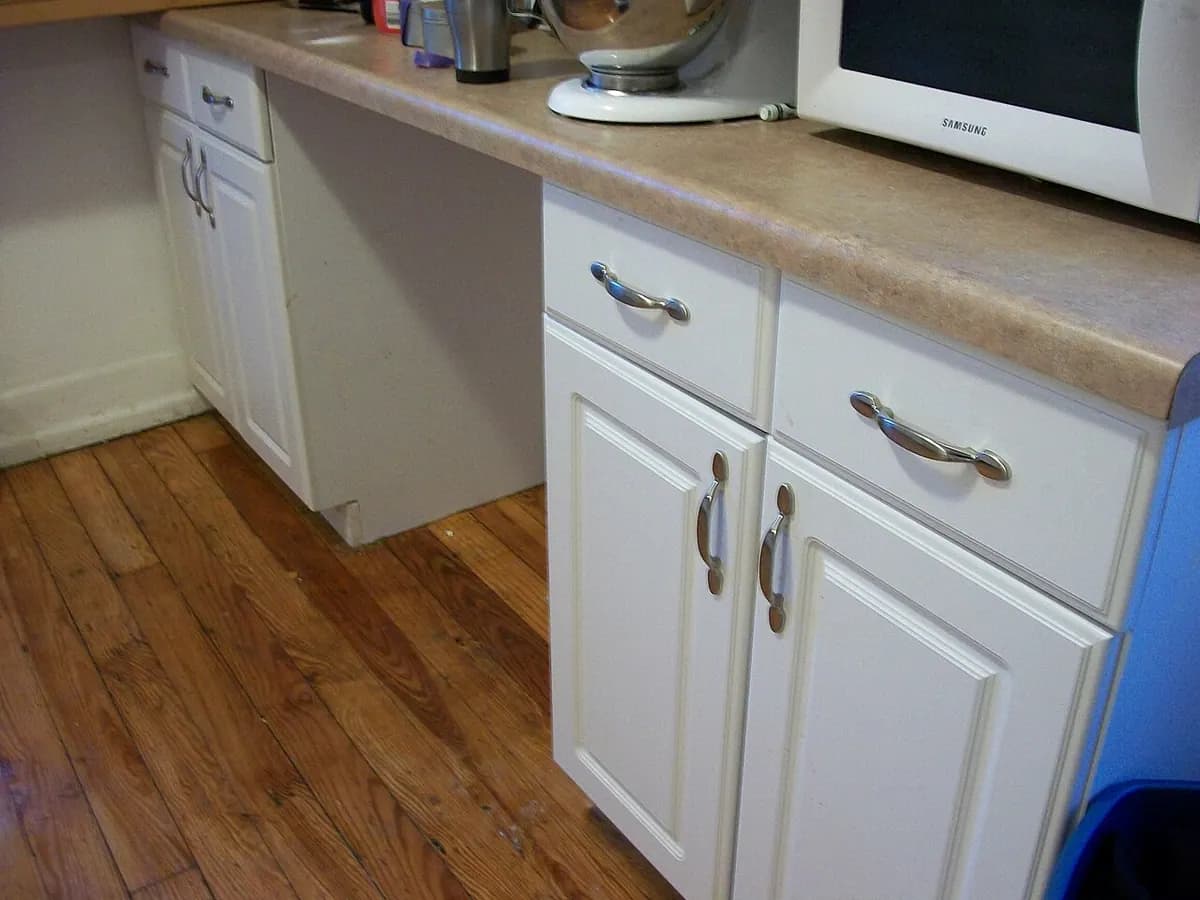
Cabinets
Often the biggest line in a kitchen
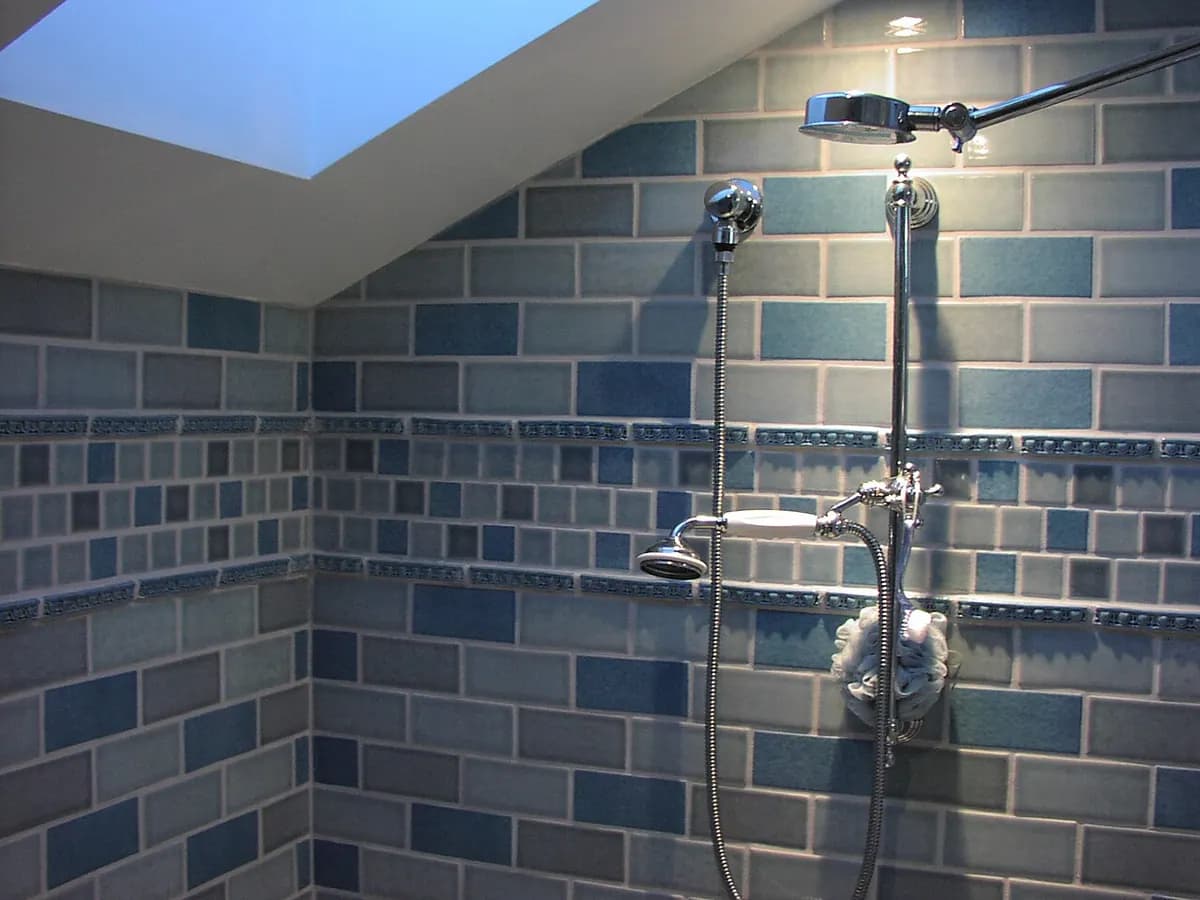
Tiled shower
Ask which waterproofing is behind it
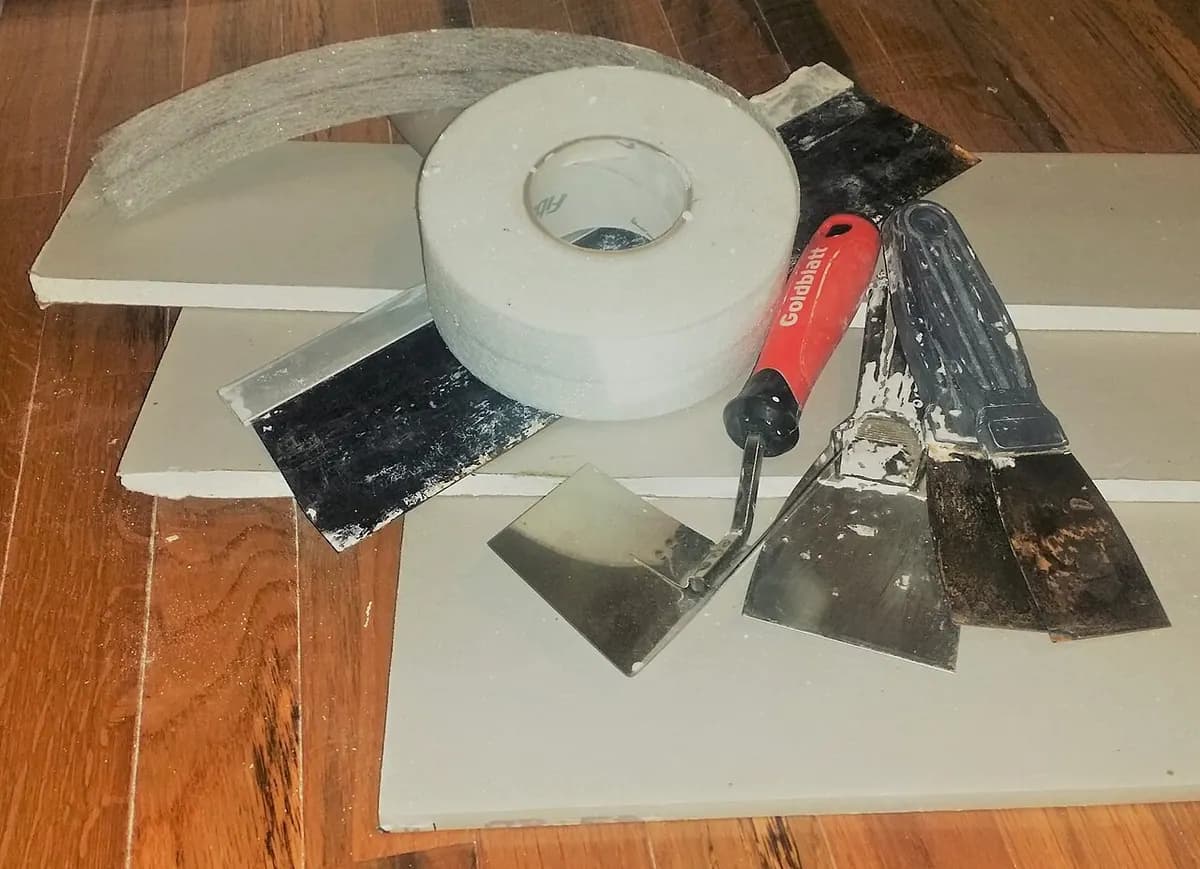
Drywall finishing
Ask how many coats are quoted
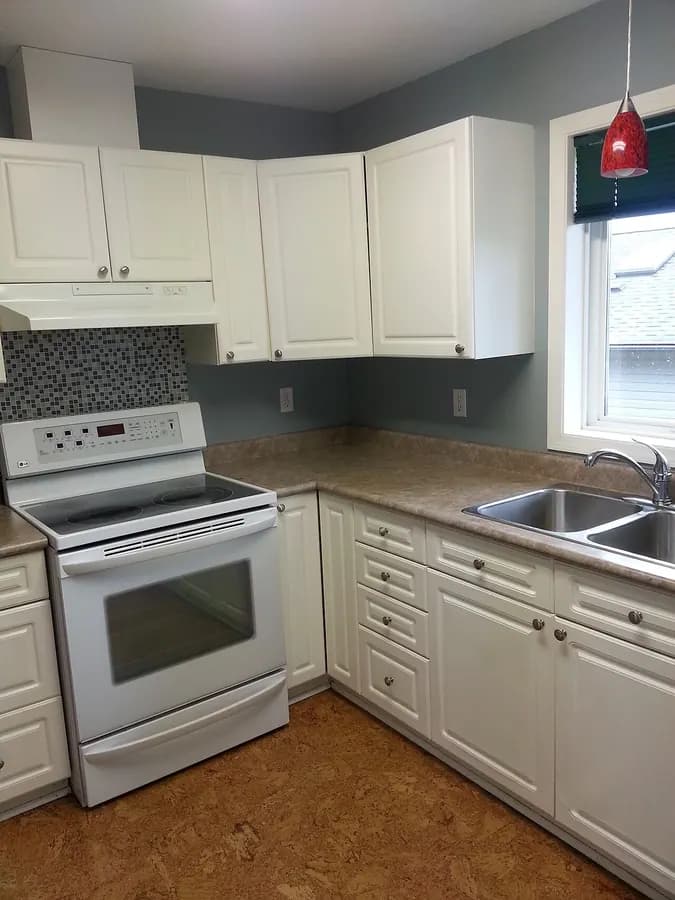
Finished kitchen
Each part listed, with allowances
Red flags
4 of 12A one-paragraph scope
It should list what's in, finishes, what's out.
Money ahead of finished work
Payments should follow completed stages.
No written change orders
Extras agreed out loud get billed later.
Work before the permit
Ask to see the permit before work starts.
8 more red flags
Not saying how subcontractors and suppliers get paid, or not offering lien waivers when you pay.
Pressure to sign today, or a price that is only good right now.
A fair quote is still fair tomorrow.
No written quote, or a quote that is a single total with no detail about what is included.
A large payment up front, or a request for cash only.
Some states limit how much a contractor can ask for before work starts.
A license number that does not check out.
Where your state licenses this trade, look the number up yourself on the state licensing board's site.
No proof of insurance.
Ask for a certificate sent to you directly by the insurer or the agent.
A price far below every other quote, followed by extras once the work has started.
Someone who knocks on your door uninvited, or who will not give recent local references.
Where homeowners say it goes wrong
- No-shows for scheduled estimate appointments
- Projects that blow past the timeline with no communication
- Surprise costs and change-order sticker shock with no upfront clarity
- Fear of getting scammed, abandoned mid-project, or hit with a lien
- Vague quotes with no detail on scope, materials, or what's included
Ask every contractor
What is in the written scope, which items are allowances, and what do you assume for each one?
What is the payment schedule, tied to which finished stages, and will I get lien waivers with each payment?
Who is on site each day, which parts does your own crew do versus subcontractors, and how do you handle changes and delays?
2 more questions
Are you licensed where this work requires it, and insured? Can I see the license number and a certificate of insurance sent to me by your insurer?
What exactly does the warranty cover, for how long, and who honors it (you, the manufacturer, or both)? Will you put it in writing?
Permits
Work like this usually needs a permit.
Remodels, additions, structural changes and most plumbing and electrical changes are commonly permitted and inspected. Additions and conversions typically end with a final sign-off or certificate of occupancy.
- Your building department decides what applies at your address. Rules differ by city and county, and HOA, condo or historic-district rules can add more.
- Ask who pulls the permit. Normally the licensed contractor does and the price includes it. If a contractor asks you to pull it in your own name, ask why: it can shift responsibility for the work to you.
- If you are unsure, call your local building department before you sign. Unpermitted work can cause problems with insurance and when you sell.
Words you'll see
Scope of work (SOW)
The written description of exactly what the contractor will do and not do.
What this trade covers
13 kinds of jobsAs the trade lists them
- Whole-home and room remodels (kitchen, bathroom, basement finishing)
- Home additions and second-story add-ons
- Accessory Dwelling Unit (ADU) / in-law suite construction
- New custom home builds and spec homes
- Structural work: load-bearing wall removal, beam/LVL installation, foundation repair
- Decks, porches, sunrooms, and three-season room construction
- Interior framing, drywall, and finish carpentry / trim work
- Siding, window, and door replacement (exterior envelope)
- Whole-house renovation / gut rehab and historic restoration
- Insurance restoration / reconstruction after water, fire, or storm damage
- Garage builds, garage conversions, and detached structures
- Permit pulling, design-build, and project management / GC-of-record services
- Punch-list completion and warranty / callback repairs
How people describe itUrgent calls and planned ones
When it can't wait
- “A wall in my house is cracking and the ceiling is sagging, I think it's about to come down”
- “The contractor opened up my roof and now it's pouring rain into the house”
- “There's water pouring in through the foundation and the basement is flooding”
- “A support beam just gave out and the second floor is sagging”
- “The deck pulled away from the house and it's about to collapse with people on it”
- “A tree fell through my roof and the house is open to the weather”
- “My ceiling is bulging and dripping water, I think a pipe burst above the drywall”
- “The retaining wall is leaning and the patio is sliding toward the house”
- “We're mid-renovation and the temporary support collapsed”
- “The foundation is shifting and I can see daylight through a new crack in the wall”
When it can be planned
- “I'd like a quote to remodel my kitchen”
- “We're thinking about adding a second-floor addition next year”
- “Can someone come look at finishing my basement?”
- “I want to build an ADU in my backyard for my mom”
- “How much would it cost to take down a wall to open up the floor plan?”
- “I need a deck replaced before summer”
- “Do you do whole-house renovations and can I see past projects?”
- “Can you come give an estimate on new siding and windows?”
Paying for it
Before you finance anything6 basics, then the financing guide
Most home projects can be paid in cash or financed. A few basics before you sign anything:
- Ask for the cash price and the financed price in writing, for the same scope of work. They can differ, because a financing fee (sometimes called a dealer fee) may be built into the financed price.
- Compare the total you will pay over the whole loan, not just the monthly payment.
- Read the fine print on same-as-cash and zero-interest offers, especially what happens if the balance is not paid in full by the end of the promotional period.
- PACE financing is repaid through your property tax bill and can place a lien on your home. Read the terms closely, and consider asking your mortgage servicer how it is treated, before you agree.
- Utility and state programs sometimes offer low-rate loans for efficiency work. Check yours before accepting the contractor's offer.
- Take loan paperwork home and read it. A sign-it-today loan is a reason to slow down.
There is more in the financing guide.financing guide
We are not a lender and do not arrange loans. Financing information here is general education; lenders decide terms.
What an expert knows
Short notes from public sources such as federal agencies, safety groups and trade associations. Each note links to the page it came from, and every page was opened and read on 2026-10-03. This is a starting point, not a complete list of every rule or program, and it is general information, not legal, tax, engineering or insurance advice. Rules and prices vary by place, so confirm what applies at your address.
Types, pros, cons and lifespan5 notes, each with its source
- General contractor: FEMA strongly recommends hiring a general contractor for new construction, rebuilding or work that needs several trades.FEMA Building Codes Toolkit: Checklist to Acquire a Building Permit (opens in a new tab)
- Design professional: Complex projects such as additions may need an architect or engineer to create design drawings, and significant projects can need a signed and sealed set of plans.FEMA Building Codes Toolkit: Checklist to Acquire a Building Permit (opens in a new tab)
- Subcontractors: A subcontractor signs a contract to perform part or all of another contractor's obligations. Ask for the name of everyone who will be hired so you can verify their credentials and insurance.FEMA Building Codes Toolkit: Checklist to Ask Your General Contractor (opens in a new tab)
- Separate trade permits: Separate permits may be required for electrical, plumbing, heating and air conditioning, or other locally required specialties.FEMA Building Codes Toolkit: Checklist to Acquire a Building Permit (opens in a new tab)
- Moisture-prone spaces: Basements and bathrooms are where leaks and humidity show up. Control moisture first, because mold will not grow without it.EPA: A Brief Guide to Mold, Moisture and Your Home (opens in a new tab)
Sizing and choosing4 notes, each with its source
- You set the scope: As the homeowner, you decide the project's scope and the expertise it needs. A project plan template can help you write it down.FEMA Building Codes Toolkit: Checklist to Acquire a Building Permit (opens in a new tab)
- Talk to the code official early: A pre-application meeting helps decide if you need a permit, what zoning or other rules apply and what documents to submit.FEMA Building Codes Toolkit: Checklist to Acquire a Building Permit (opens in a new tab)
- Add resilience while the walls are open: Most protections against natural hazards cost less when added as part of scheduled construction, repair or upgrades.FEMA Building Codes Toolkit: Checklist to Ask Your General Contractor (opens in a new tab)
- Check the floodplain: Development in a floodplain generally needs a permit, and many communities have special rules there.FEMA Building Codes Toolkit: Checklist to Acquire a Building Permit (opens in a new tab)
Maintenance by season4 notes, each with its source
- After any water event: Dry water-damaged areas and items within 24 to 48 hours. In most cases mold will not grow if they are dried in that window.EPA: A Brief Guide to Mold, Moisture and Your Home (opens in a new tab)
- Every season: Clean and repair roof gutters regularly, and fix plumbing leaks as soon as you find them.EPA: A Brief Guide to Mold, Moisture and Your Home (opens in a new tab)
- Bathrooms: If mold keeps coming back in a shower, more ventilation (a fan or an open window) and more frequent cleaning usually keep it down.EPA: A Brief Guide to Mold, Moisture and Your Home (opens in a new tab)
- Keep the paper trail: Keep your permit, inspection card, approved plans and any final certificates.FEMA Building Codes Toolkit: Checklist to Acquire a Building Permit (opens in a new tab)
Code and permit basics6 notes, each with its source
- Permits cover most structural work: Permits are generally required for new construction, alterations, repairs and additions, mitigation work, historic rehabilitation, and changes to electrical, mechanical and plumbing systems. This is general information, not legal advice.FEMA Building Codes Toolkit: Checklist to Acquire a Building Permit (opens in a new tab)
- The process: You submit an application with plans and a fee, the building department reviews it, inspections follow, and final approval can include a certificate of completion or occupancy.FEMA Building Codes Toolkit: Checklist to Acquire a Building Permit (opens in a new tab)
- Display the permit: Permits normally must be displayed on the job site, and a set of approved plans must be available for inspection.FEMA Building Codes Toolkit: Checklist to Acquire a Building Permit (opens in a new tab)
- Unpermitted work: Building without permits is a common violation and brings safety and complication risks.ICC: 7 Things Code Inspectors Wish Homeowners Knew (opens in a new tab)
- Pre-1978 homes: Anyone paid to disturb painted surfaces in a home built before 1978 must be certified in lead-safe work practices.EPA: Lead Renovation, Repair and Painting Program (opens in a new tab)
- Older materials: Asbestos may be in floor tiles and adhesives, pipe insulation, siding, wall compounds and furnace insulation in older homes. Do not sand, saw, sweep or vacuum suspect material.CPSC: Asbestos in the Home (opens in a new tab)
What moves the price4 notes, each with its source
- Scope and design: Larger and more complex jobs need drawings, engineering and longer permit review, which adds time and cost.FEMA Building Codes Toolkit: Checklist to Acquire a Building Permit (opens in a new tab)
- Permit and inspection costs: A fee may be collected to cover the application, review and inspection process.FEMA Building Codes Toolkit: Checklist to Acquire a Building Permit (opens in a new tab)
- Hidden conditions: Older homes can hide asbestos in floor tiles, adhesives and insulation, and professionals should sample and handle it, which adds steps before new work starts.CPSC: Asbestos in the Home (opens in a new tab)
- Subcontractors: More trades means more coordination, permits and supervision.FEMA Building Codes Toolkit: Checklist to Ask Your General Contractor (opens in a new tab)
Common scams4 notes, each with its source
- Outside contractors who do not know local rules: Some contractors are based outside your area and may not know your codes or permit process, especially after a disaster.FEMA Building Codes Toolkit: Checklist to Ask Your General Contractor (opens in a new tab)
- Asked to pull the permit yourself: A contractor who asks you to obtain the permit is likely unlicensed or unqualified for the job.FEMA Building Codes Toolkit: Checklist to Ask Your General Contractor (opens in a new tab)
- Paying in full early: Never pay a general contractor in full before the project is complete.FEMA Building Codes Toolkit: Checklist to Ask Your General Contractor (opens in a new tab)
- Cash, wire and blank contracts: Scammers push cash, wire transfers, gift cards or unsigned blanks. Pay by card or check and fill in every blank first.FTC: How To Avoid Scams After Weather Emergencies and Natural Disasters (opens in a new tab)
Ask for this in writing5 notes, each with its source
- License and insurance proof: A copy of the license with its expiration date, and proof of general liability insurance. Contact the issuer to verify both.FEMA Building Codes Toolkit: Checklist to Ask Your General Contractor (opens in a new tab)
- Payment schedule: A schedule in the contract. It is common to withhold part of the payment until you are satisfied and any certificate of occupancy is issued. Pay in a traceable way and keep receipts.FEMA Building Codes Toolkit: Checklist to Ask Your General Contractor (opens in a new tab)
- Lien waivers: A written lien waiver at the end, covering the contractor and every subcontractor.FEMA Building Codes Toolkit: Checklist to Ask Your General Contractor (opens in a new tab)
- Warranty: What is covered, what is not and for how long, with at least one year on work and materials and two years preferred.FEMA Building Codes Toolkit: Checklist to Ask Your General Contractor (opens in a new tab)
- Change orders: Scope or price changes in a written change order signed by both sides before the work. This is a California requirement and good practice anywhere.California CSLB: Home Improvement Contracts (opens in a new tab)
Repair or replace3 notes, each with its source
- Fix the water problem first: If you clean up mold but do not fix the water problem, the mold will most likely return. Do not paint or caulk over moldy surfaces.EPA: A Brief Guide to Mold, Moisture and Your Home (opens in a new tab)
- Soft and porous materials: Carpet and ceiling tiles may need to be thrown away if they become moldy, because mold fills the empty spaces.EPA: A Brief Guide to Mold, Moisture and Your Home (opens in a new tab)
- Old asbestos materials: Sealing or covering damaged material is typically cheaper than removal, but removal may be needed during a major renovation.CPSC: Asbestos in the Home (opens in a new tab)
Questions to ask an expert5 notes, each with its source
- Are you licensed for this work, and bonded? Ask for a copy and check it with the issuing authority.FEMA Building Codes Toolkit: Checklist to Ask Your General Contractor (opens in a new tab)
- How many permits have you pulled here in the last two years? It shows experience with your local process.FEMA Building Codes Toolkit: Checklist to Ask Your General Contractor (opens in a new tab)
- Who are your subcontractors? Ask for names and proof of insurance.FEMA Building Codes Toolkit: Checklist to Ask Your General Contractor (opens in a new tab)
- Can I call three to five past clients for similar work? Ask about budget, schedule and whether they would hire again.FEMA Building Codes Toolkit: Checklist to Ask Your General Contractor (opens in a new tab)
- Who supervises the project day to day? You should have direct contact information.FEMA Building Codes Toolkit: Checklist to Ask Your General Contractor (opens in a new tab)
General information, not legal, tax, engineering or insurance advice. Photos credited with their licenses; drawings made for this site. Guide updated October 3, 2026.