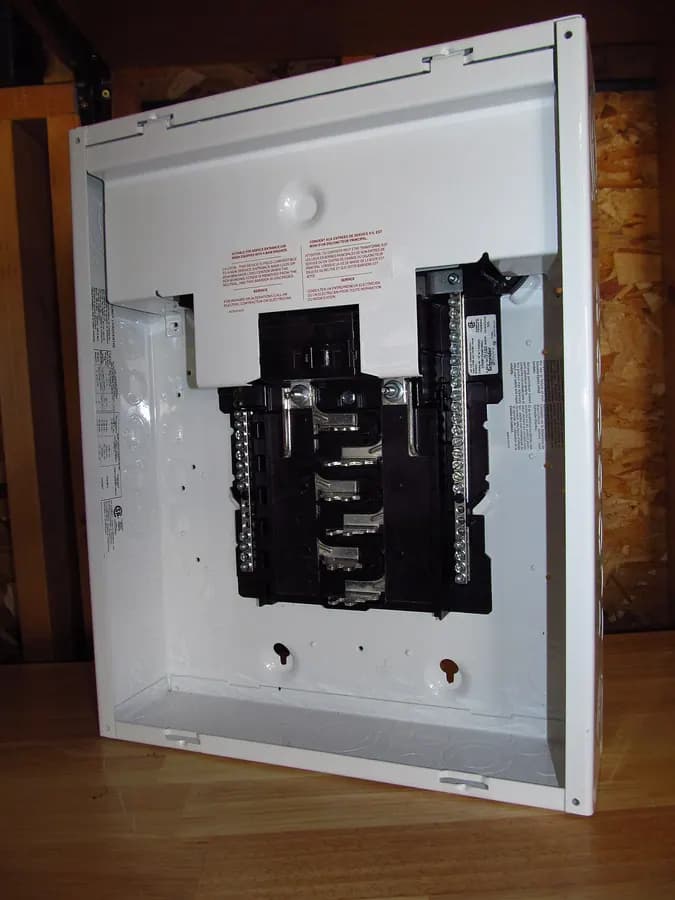
Photo: Kevin Kiefuik, “Schneider Electric 1-Phase 100-Amp Residential Breaker Panel”, CC BY-SA 3.0, via Wikimedia Commons. Resized and converted to WebP; shown cropped.
Electrical
Panels, outlets, lighting, EV chargers, generators, wiring.
On this page12 sections: urgent, quote, red flags, permits…
Is it urgent?
Smoke, flames or a burning smell? Get everyone out and call 911.
Emergency: call now
- Burning smell or sparks
- Hot, buzzing or wet panel
- A shock from an outlet
- Downed or arcing line
- Lights flicker all over
Within a day or two
- Panel dead, no smoke
- Breaker keeps tripping
- Dead circuit that matters
- Known-hazard panel brand
Can wait: schedule it
- Panel upgrade
- EV charger or generator
- New circuits or outlets
- Lighting and fans
- Code fixes before a sale
The full list, in the guide's words
Safety first: If you see smoke or flames, or smell burning plastic, get everyone out and call 911. If someone has been shocked, call 911. For a downed or arcing power line, stay far back and call 911 and your utility. Do not touch a hot or buzzing panel.
Emergency: call now
- A burning, fishy or plastic smell, smoke, sparks, or scorch or melt marks
- A hot or buzzing panel, a shock from an outlet or appliance, or water in the panel
- A downed or arcing service line
- Flickering or partial power loss across the whole home
Within a day or two
- A totally dead panel with no smell or smoke (check first that it is not a utility outage)
- A single breaker that trips again and again
- A dead circuit that matters: refrigerator, sump pump, medical equipment or well pump
- A panel with a known-hazard brand (Federal Pacific, Zinsco) that you just learned about
Can wait: schedule it
- Panel upgrades, EV charger and generator installs
- Adding circuits or outlets, lighting and fan work
- Code corrections before a sale, and inspections
This is general guidance, not a diagnosis. If anyone is in danger, call 911 first.
What's on a electrical quote
LaborAsk: flat price or hourly?
The electrician's time. Ask whether the price is flat or hourly.
MaterialsAsk: is the panel itself included?
Breakers, wire, boxes, conduit and devices, plus the panel itself if one is being replaced.
Panel or serviceAsk: brand, amps, breaker spaces
The panel's brand, amp rating and number of breaker spaces. The amp rating decides how much your home can run at once.
Permit & inspectionAsk: who schedules the inspection?
Most work beyond a simple swap is inspected. Ask who schedules the inspection.
Utility coordinationAsk: how does it affect the schedule?
Service upgrades usually need the utility to disconnect and reconnect power, which can affect the schedule.
PatchingAsk: patching and paint included?
Cutting into walls or ceilings to run wire. Ask whether patching and painting are included.
What a good estimate spells out9 things to look for
- The contractor's legal name, license number if one applies, and contact details, plus your name and address.
- What work is included, and what is not.
- The brand, model and size of major equipment and materials, not just standard or builder grade.
- Who pulls the permit and who pays for it and for inspections.
- Cleanup, and what happens to the old materials.
- A start date and a realistic finish date, and what happens if the schedule slips.
- Warranty terms: what is covered, for how long and who honors it.
- When and how you pay, tied to finished stages of work rather than just dates.
- How changes are handled: a written price for any change before the work happens.
Know what you're looking at
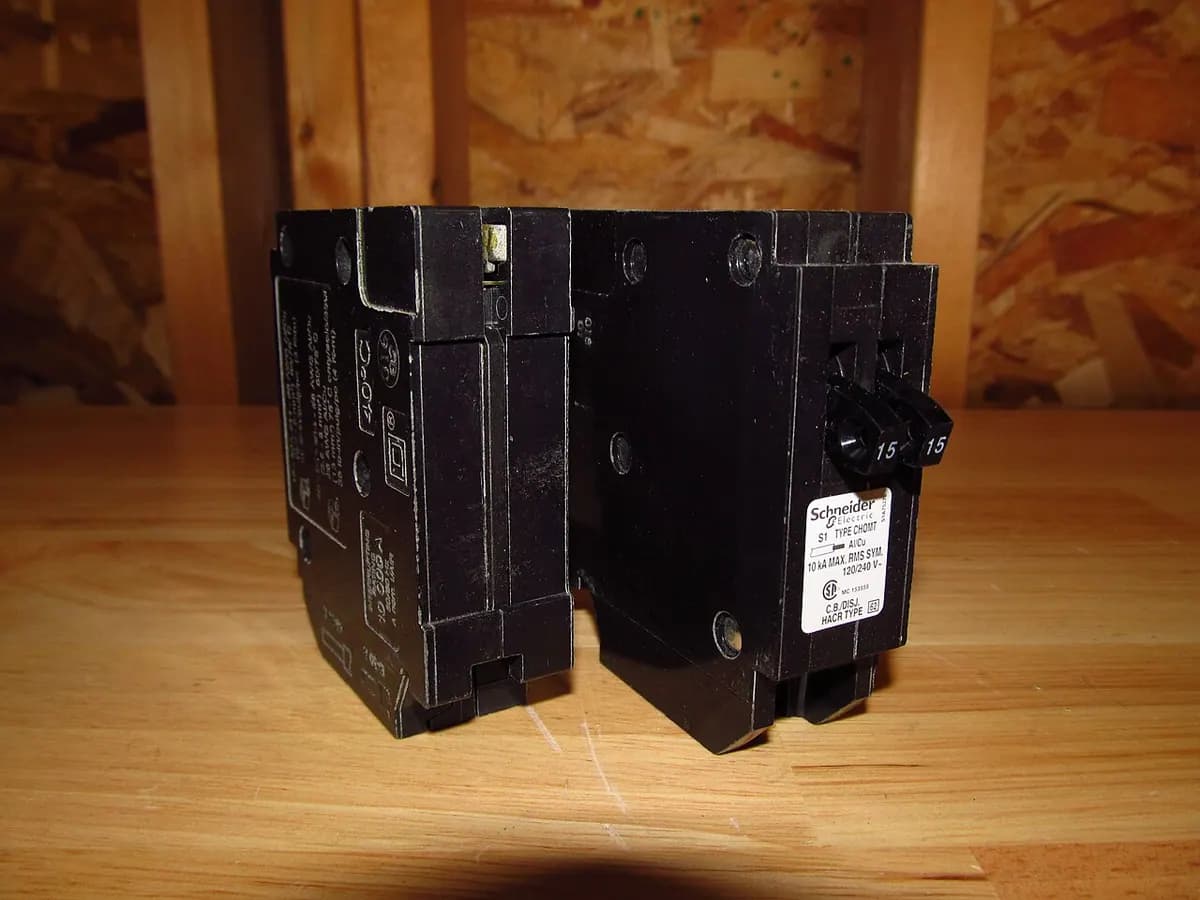
Circuit breakers
One that keeps tripping is a warning
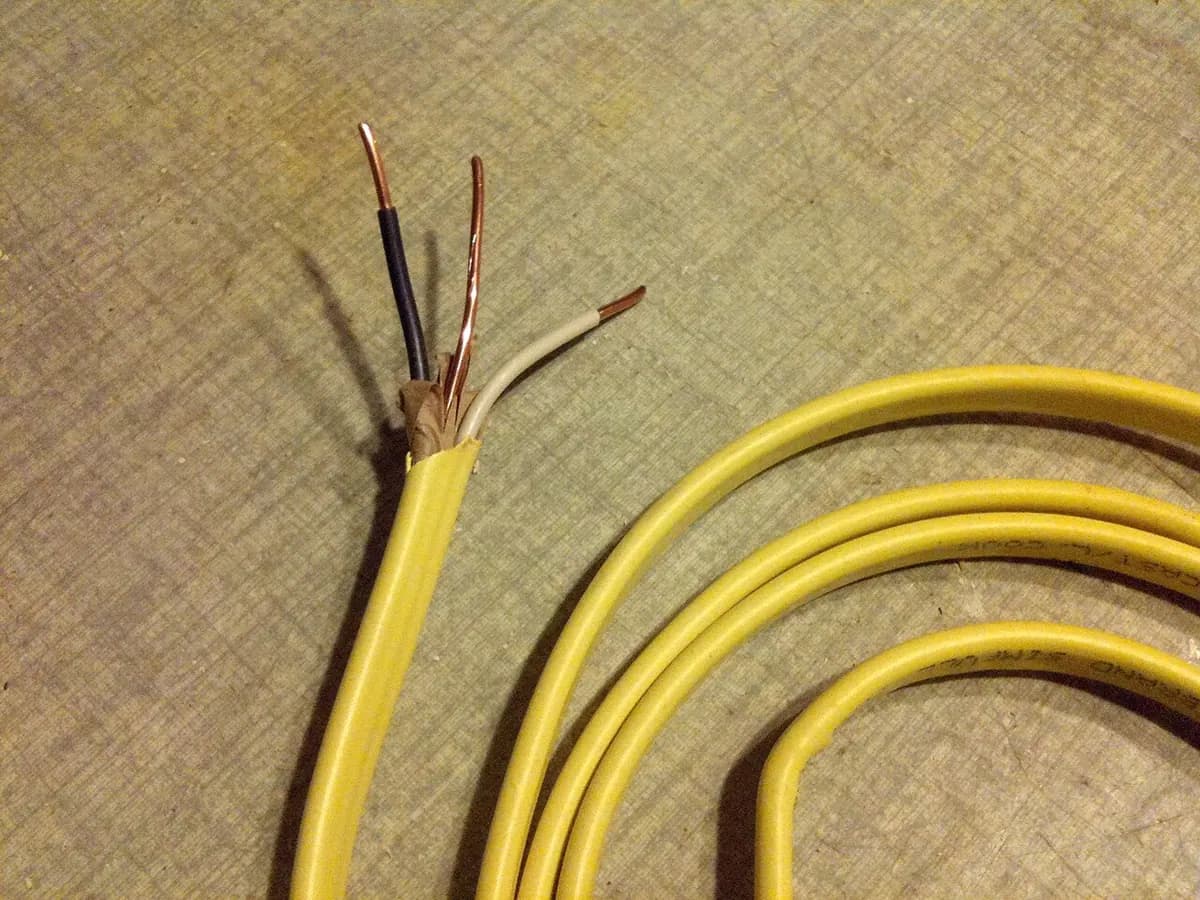
House wiring (Romex)
Common plastic-sheathed cable
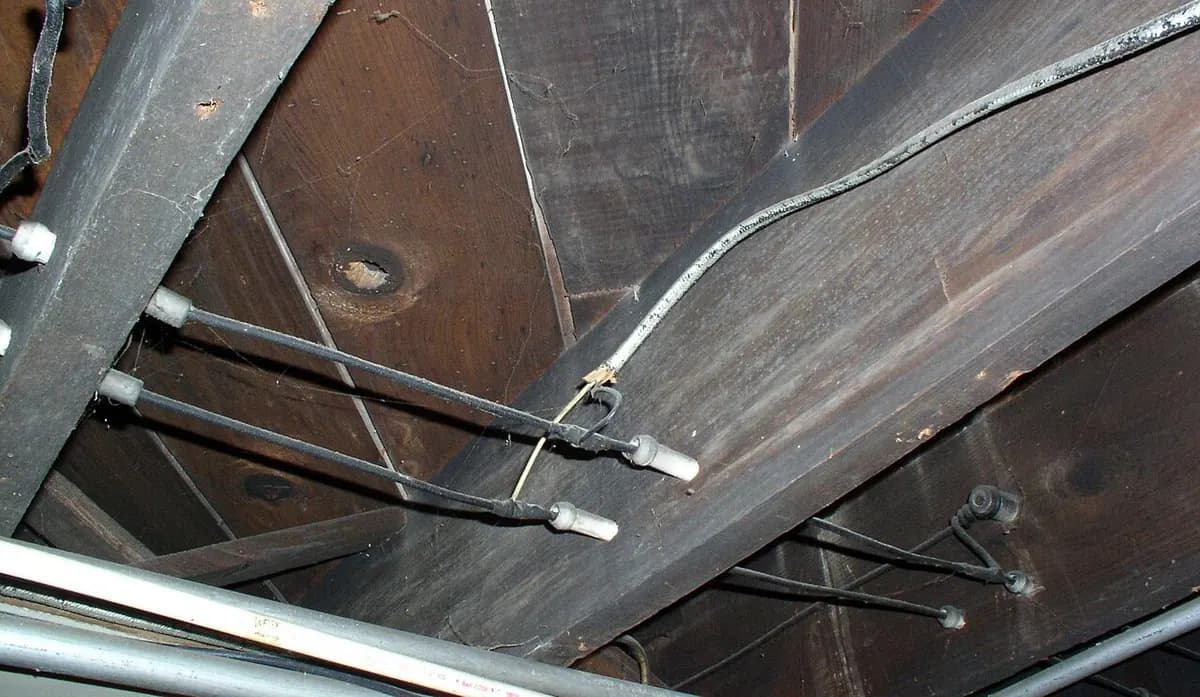
Knob-and-tube wiring
Get an opinion before a purchase
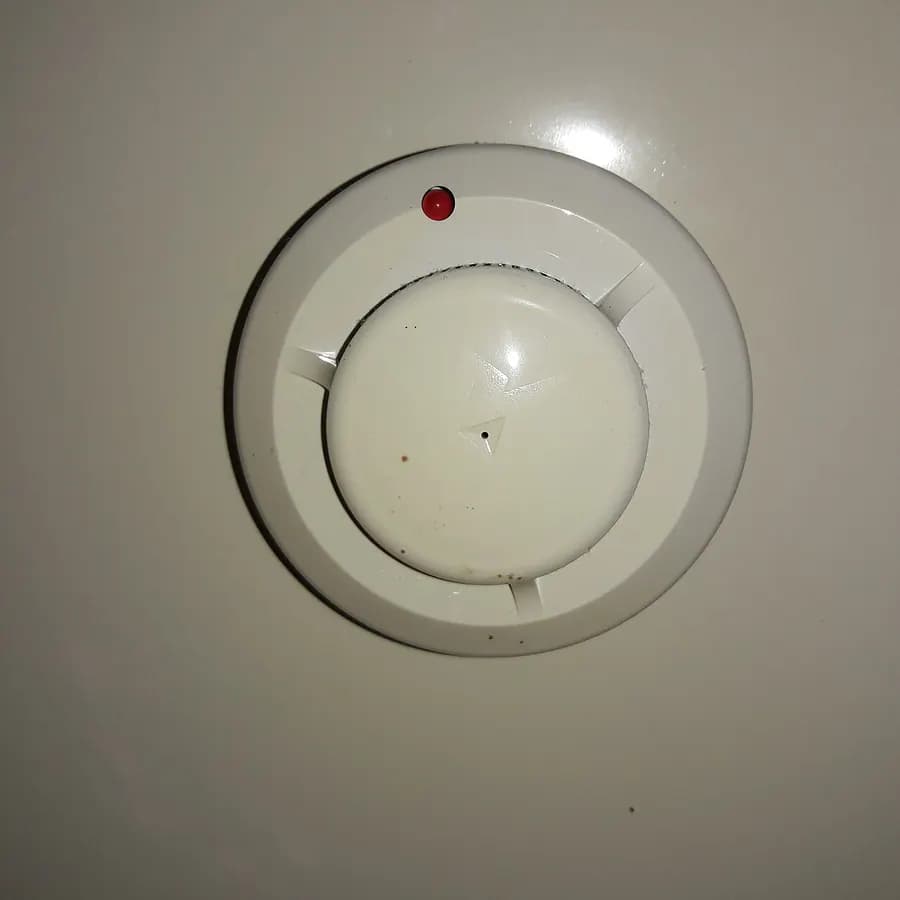
Smoke alarm
Replace it by the date on the back
Red flags
4 of 11No permit for panel or circuit work
Unpermitted work can cause insurance trouble.
Fear used to push a big job
Ask for the specific findings in writing.
No amp rating on the quote
Ask the size of the panel or service.
Pressure to sign today
A fair quote is still fair tomorrow.
7 more red flags
Handyman-level pricing for work that your state requires a licensed electrician to do.
No written quote, or a quote that is a single total with no detail about what is included.
A large payment up front, or a request for cash only.
Some states limit how much a contractor can ask for before work starts.
A license number that does not check out.
Where your state licenses this trade, look the number up yourself on the state licensing board's site.
No proof of insurance.
Ask for a certificate sent to you directly by the insurer or the agent.
A price far below every other quote, followed by extras once the work has started.
Someone who knocks on your door uninvited, or who will not give recent local references.
Where homeowners say it goes wrong
- They're scared it's a fire or shock hazard and don't know if it's urgent — they want reassurance and a fast answer
- Older home with an outdated or unsafe panel (Federal Pacific, fuses, 100-amp) and they're worried it's uninsurable or won't pass a sale
- Breakers keep tripping and they can't figure out why — it disrupts daily life
- They got wildly different quotes and don't know who to trust or what's fair
- They need the work done fast to close a home sale, pass inspection, or get an EV charger before the car arrives
Ask every electrician
Is this work permitted and inspected, and who arranges the inspection?
What amp rating will the panel or service be, and does the quote include the utility's disconnect and reconnect?
Did you do a load calculation to be sure my home can handle the new load (EV charger, heat pump, generator)?
2 more questions
Are you licensed where this work requires it, and insured? Can I see the license number and a certificate of insurance sent to me by your insurer?
What exactly does the warranty cover, for how long, and who honors it (you, the manufacturer, or both)? Will you put it in writing?
Permit or not?
Commonly permitted
- Panel or service upgrade
- New circuits
- EV chargers
- Generators
- Whole-home rewiring
Often not
- Light fixture, same spot
- Outlet, same spot
Your building department decides. If a contractor asks you to pull the permit in your own name, ask why.
More on permitsWho pulls it, and what to check first
Work like this usually needs a permit.
Panel and service upgrades, new circuits, EV chargers, generators and whole-home rewiring are commonly permitted and inspected. Replacing a light fixture or an outlet in the same spot often is not, but rules vary.
- Your building department decides what applies at your address. Rules differ by city and county, and HOA, condo or historic-district rules can add more.
- Ask who pulls the permit. Normally the licensed contractor does and the price includes it. If a contractor asks you to pull it in your own name, ask why: it can shift responsibility for the work to you.
- If you are unsure, call your local building department before you sign. Unpermitted work can cause problems with insurance and when you sell.
Words you'll see
GFCI (ground-fault circuit interrupter)
An outlet or breaker that cuts power fast if electricity leaks to ground, for example through water. Typically required in kitchens, baths, garages and outdoors.
What this trade covers
14 kinds of jobsAs the trade lists them
- Electrical panel (service) upgrades: replacing 100-amp panels with 200-amp service
- Panel/breaker replacement: swapping out unsafe Federal Pacific 'Stab-Lok', Zinsco, or Challenger panels
- Whole-home rewiring: replacing aluminum branch wiring or knob-and-tube
- EV charger installation: Level 2 (240V) charger and dedicated circuit
- Standby/portable generator installation with automatic transfer switch
- Troubleshooting tripping breakers, dead outlets, and flickering lights
- Outlet, switch, and dimmer installation/replacement (including GFCI and AFCI devices)
- Adding dedicated circuits for ranges, dryers, hot tubs, A/C, or shop tools
- Ceiling fan, recessed lighting, and fixture installation
- Whole-home surge protection (SPD) installation
- Code-correction work for real estate sales, inspections, or insurance
- Smart home wiring: thermostats, smart panels, switches, and home automation
- Electrical safety inspections and home buyer inspections
- Outdoor, landscape, and pool/hot tub bonding and lighting
How people describe itUrgent calls and planned ones
When it can't wait
- “I smell something burning near the breaker box”
- “There's a burning plastic or fishy smell coming from an outlet”
- “Sparks are shooting out of my outlet when I plug something in”
- “My breaker panel is hot to the touch and buzzing”
- “There's smoke coming from a light switch / wall”
- “Half my house just lost power and the rest is flickering”
- “An outlet melted / there are scorch marks around it”
- “I touched an appliance and got a shock”
- “A power line came down on my house / yard after the storm”
- “Water is dripping into my electrical panel / breaker box”
- “My breaker won't reset and now I keep tripping it”
- “The lights are flickering and dimming all over the house at once”
When it can be planned
- “I want a quote to upgrade my panel to 200 amps”
- “I'm buying an EV and need a Level 2 charger installed”
- “I'd like to add some recessed lighting / a ceiling fan”
- “My inspection report says I need GFCI outlets in the bathroom”
- “I want a whole-home surge protector installed”
- “Can someone install a generator transfer switch?”
- “I need a few new outlets added in the garage for tools”
- “I want an electrical safety inspection before I sell the house”
- “My dimmer switch stopped working, can you replace it?”
Rebates and credits
Rebates and credits change often and differ by state, utility and sometimes county.
- Start with your state energy office and the ENERGY STAR rebate finder.ENERGY STAR rebate finder (opens in a new tab)
- The federal 25C and 25D credits ended for property placed in service after 2025-12-31 (IRS: 25C, 25D). Do not count on them for new work, and ask a tax professional about your situation.25C (opens in a new tab)25D (opens in a new tab)
- Panel upgrades and EV chargers sometimes have utility or state rebates, often tied to heat pump or electrification programs. Programs change and differ by utility, so check first.
- Programs often have conditions: a specific equipment rating, an approved installer, or approval before you buy. Confirm the rules before you sign, not after.
Paying for it
Before you finance anything6 basics, then the financing guide
Most home projects can be paid in cash or financed. A few basics before you sign anything:
- Ask for the cash price and the financed price in writing, for the same scope of work. They can differ, because a financing fee (sometimes called a dealer fee) may be built into the financed price.
- Compare the total you will pay over the whole loan, not just the monthly payment.
- Read the fine print on same-as-cash and zero-interest offers, especially what happens if the balance is not paid in full by the end of the promotional period.
- PACE financing is repaid through your property tax bill and can place a lien on your home. Read the terms closely, and consider asking your mortgage servicer how it is treated, before you agree.
- Utility and state programs sometimes offer low-rate loans for efficiency work. Check yours before accepting the contractor's offer.
- Take loan paperwork home and read it. A sign-it-today loan is a reason to slow down.
There is more in the financing guide.financing guide
We are not a lender and do not arrange loans. Financing information here is general education; lenders decide terms.
What an expert knows
Short notes from public sources such as federal agencies, safety groups and trade associations. Each note links to the page it came from, and every page was opened and read on 2026-10-03. This is a starting point, not a complete list of every rule or program, and it is general information, not legal, tax, engineering or insurance advice. Rules and prices vary by place, so confirm what applies at your address.
Types, pros, cons and lifespan6 notes, each with its source
- Ordinary breakers and fuses: These do not respond to early arcing and sparking in wiring. By the time one opens, a fire may already have started.CPSC: Preventing Home Fires, Arc Fault Circuit Interrupters (Pub 5133) (opens in a new tab)
- AFCI (arc fault) protection: Addresses fire hazards from damaged wiring, while GFCIs address shock. Combination devices do both. Older homes with ordinary breakers may benefit most, and sometimes a breaker in an existing panel can be swapped for an AFCI breaker.CPSC: Preventing Home Fires, Arc Fault Circuit Interrupters (Pub 5133) (opens in a new tab)
- GFCI outlets and breakers: Protect against electric shock. CPSC suggests them in kitchens, bathrooms, garages, unfinished basements and near laundry tubs or wet bar sinks.CPSC: Home Electrical Safety Checklist (Pub 513) (opens in a new tab)
- Tamper-resistant outlets: The Fire Administration advises these where young children live.U.S. Fire Administration: Appliance and Electrical Fire Safety (opens in a new tab)
- EV charging, Level 1 and Level 2: Level 1 uses a standard outlet on a dedicated circuit, often enough for overnight charging. Level 2 runs on 240 volts for faster charging, for longer commutes or larger batteries. Outdoor installs need outdoor-rated equipment.DOE Alternative Fuels Data Center: Charging Electric Vehicles at Home (opens in a new tab)
- Portable generators: Useful in outages but dangerous: carbon monoxide, shock, fire and burns are the main hazards. They must run outdoors, away from windows, doors and vents.CPSC Safety Alert: Portable Generator Hazards (opens in a new tab)
Sizing and choosing4 notes, each with its source
- Does your panel have room? An electrician can tell you whether your home has enough electrical capacity for a Level 2 charger. If not, a qualified electrician can add circuits.DOE Alternative Fuels Data Center: Charging Electric Vehicles at Home (opens in a new tab)
- EV charging is a continuous load: The National Electrical Code treats EV charging as a continuous load, so the circuit must be sized for that. Charger rules are mainly in NEC Article 625.DOE Alternative Fuels Data Center: Charging Electric Vehicles at Home (opens in a new tab)
- Match fuse and bulb sizes: A fuse that is too large lets too much current flow and can start a fire. If you do not know the right size, have an electrician identify and label it. Use bulbs no higher than the fixture's rated wattage.CPSC: Home Electrical Safety Checklist (Pub 513) (opens in a new tab)
- Do not overload: Plug major appliances straight into a wall outlet, not an extension cord. Do not overload power strips, and use ones with built-in overload protection.U.S. Fire Administration: Appliance and Electrical Fire Safety (opens in a new tab)
Maintenance by season5 notes, each with its source
- Every month: Test GFCI outlets and breakers with the test button, and test AFCI breakers monthly. They can fail without any visible sign.CPSC: Home Electrical Safety Checklist (Pub 513) (opens in a new tab)
- Every 6 months: CPSC recommends walking through your home with its electrical safety checklist, for example when you change your clocks.CPSC: Home Electrical Safety Checklist (Pub 513) (opens in a new tab)
- Once a year: Switch each circuit breaker off and on three times so it does not stick. Turn off the freezer, refrigerator and air conditioner first.CPSC: Home Electrical Safety Checklist (Pub 513) (opens in a new tab)
- Heating season: Keep portable heaters at least 3 feet from anything that can burn, and use ones with a recognized testing lab seal.CPSC: Home Electrical Safety Checklist (Pub 513) (opens in a new tab)
- Storm and outage season: Never run a generator in a garage, basement, crawlspace or shed. Use outdoor-rated, heavy-duty extension cords with a wattage rating above the load.CPSC Safety Alert: Portable Generator Hazards (opens in a new tab)
Code and permit basics4 notes, each with its source
- Permits for EV chargers: Installations must follow local and state codes, and permits may be required. In many areas a site installation plan is submitted for approval first. Contact your local building and permitting office. This is general information, not legal advice.DOE Alternative Fuels Data Center: Charging Electric Vehicles at Home (opens in a new tab)
- Qualified electrician for panel work: AFCI installation involves working inside panel boxes that are usually live even with the main breaker off. CPSC says to have a qualified electrician do it.CPSC: Preventing Home Fires, Arc Fault Circuit Interrupters (Pub 5133) (opens in a new tab)
- Aluminum branch wiring: Homes wired between about 1965 and the mid-1970s may have aluminum branch circuit wiring, which CPSC found far more likely to have hazardous connections. If you see signs of a problem, have a qualified electrician find the cause and do not try it yourself.CPSC: Repairing Aluminum Wiring (Pub 516) (opens in a new tab)
- Safety-certified equipment: Buy safety-certified charging equipment, and hire a certified electrical contractor.DOE Alternative Fuels Data Center: Charging Electric Vehicles at Home (opens in a new tab)
What moves the price5 notes, each with its source
- Panel capacity: If the panel lacks capacity for a new load such as a Level 2 charger, circuits may need to be added, which widens the job.DOE Alternative Fuels Data Center: Charging Electric Vehicles at Home (opens in a new tab)
- Permits and plans: Local permit fees, inspection and a required site installation plan add steps to the job.DOE Alternative Fuels Data Center: Charging Electric Vehicles at Home (opens in a new tab)
- Equipment features: Level 2 chargers range from basic to smart models with timers, data and displays. State and utility incentives may help offset the cost.DOE Alternative Fuels Data Center: Charging Electric Vehicles at Home (opens in a new tab)
- Running cost: Electricity cost depends on the equipment and the time of day. Some utilities offer time-of-use rates for charging.DOE Alternative Fuels Data Center: Charging Electric Vehicles at Home (opens in a new tab)
- Old wiring: Older homes with ordinary breakers may benefit from added arc-fault protection, which can add scope to a repair.CPSC: Preventing Home Fires, Arc Fault Circuit Interrupters (Pub 5133) (opens in a new tab)
Common scams4 notes, each with its source
- Claims that no license is needed: Scammers say they do not need a license or refuse to show proof. Verify the license with your state or county and ask for proof of insurance.FTC: How To Avoid Scams After Weather Emergencies and Natural Disasters (opens in a new tab)
- Door-knocking inspectors: Unsolicited visitors who say they are in the area and offer to do work are a common home repair scam pattern.FTC: How To Avoid a Home Improvement Scam (opens in a new tab)
- Pressure to sign today: Discounts that only hold if you sign right away are a warning sign.FTC: How To Avoid Scams After Weather Emergencies and Natural Disasters (opens in a new tab)
- Cash only or all up front: Never pay the full cost up front. Avoid cash, wire, gift cards, payment apps and cryptocurrency.FTC: How To Avoid Scams After Weather Emergencies and Natural Disasters (opens in a new tab)
Ask for this in writing4 notes, each with its source
- Scope and circuits: Which circuits or devices are being added or replaced, and where.FTC: How To Avoid a Home Improvement Scam (opens in a new tab)
- Permit and inspection: Who pulls the permit, and whether a site installation plan is part of the price.DOE Alternative Fuels Data Center: Charging Electric Vehicles at Home (opens in a new tab)
- Equipment: The make and model, and that it is safety-certified.DOE Alternative Fuels Data Center: Charging Electric Vehicles at Home (opens in a new tab)
- Contract basics: Contractor name, address and license number, start and finish dates, payment schedule and your cancellation right where it applies. Do not sign with blanks.FTC: How To Avoid a Home Improvement Scam (opens in a new tab)
Repair or replace3 notes, each with its source
- Replace loose or damaged parts: Replace wall outlets when plugs no longer fit snugly. Replace an appliance with a cracked, damaged or loose cord.U.S. Fire Administration: Appliance and Electrical Fire Safety (opens in a new tab)
- A GFCI that fails its test: If the test button does not work as it should, the GFCI should be replaced. They can fail with no warning.CPSC: Home Electrical Safety Checklist (Pub 513) (opens in a new tab)
- Add protection in older homes: Older homes with ordinary breakers may benefit from arc-fault protection, and sometimes an existing breaker can be replaced with an AFCI breaker in the same panel.CPSC: Preventing Home Fires, Arc Fault Circuit Interrupters (Pub 5133) (opens in a new tab)
Questions to ask an expert5 notes, each with its source
- Does my panel have capacity for this? Ask for the capacity check before you buy a charger or add a large appliance.DOE Alternative Fuels Data Center: Charging Electric Vehicles at Home (opens in a new tab)
- Which permit and inspection apply? Ask whether a site plan is required and who submits it.DOE Alternative Fuels Data Center: Charging Electric Vehicles at Home (opens in a new tab)
- Could my house have aluminum wiring? If it was built or rewired between the mid 1960s and mid 1970s, ask for it to be checked.CPSC: Repairing Aluminum Wiring (Pub 516) (opens in a new tab)
- Can you add arc-fault or ground-fault protection at my panel? Ask which circuits would be covered.CPSC: Preventing Home Fires, Arc Fault Circuit Interrupters (Pub 5133) (opens in a new tab)
- Are you licensed and insured? Check the license with your state or county and ask for the insurance certificate.FTC: How To Avoid Scams After Weather Emergencies and Natural Disasters (opens in a new tab)
General information, not legal, tax, engineering or insurance advice. Photos credited with their licenses; drawings made for this site. Guide updated October 3, 2026.