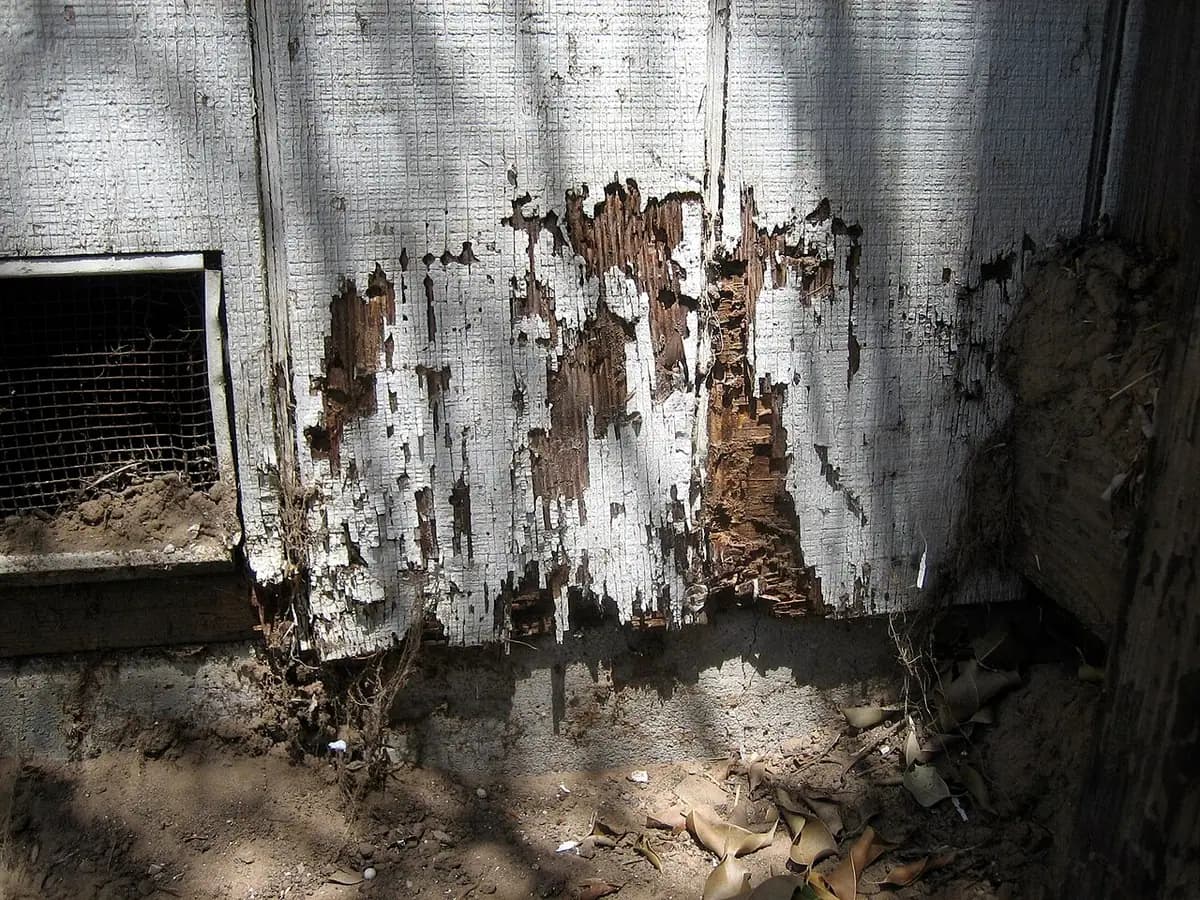
Photo: Alton, “Termite damage”, CC BY-SA 3.0, via Wikimedia Commons. Resized and converted to WebP; shown cropped.
Pest control
Insects, rodents, termites, wildlife, prevention plans.
On this page11 sections: urgent, quote, red flags, permits…
Is it urgent?
Trouble breathing or facial swelling after a sting? Call 911 right away.
Emergency: call now
- Stinging nest by a doorway
- Wild animal inside
- Termite swarm indoors
- Heavy rodent problem
- Roaches overrunning kitchen
Within a day or two
- Confirmed bed bugs
- First signs of rodents
- Wasp nest, low traffic
- Ants or roaches spreading
Can wait: schedule it
- Protection plan
- One-time treatment
- Mosquito or tick program
- Termite check for a sale
The full list, in the guide's words
Safety first: A sting or bite followed by trouble breathing, swelling of the face, tongue or throat, dizziness, or hives spreading across the body is an emergency. Call 911 right away, and use an epinephrine auto-injector if one is prescribed. A bat in a room where someone slept, or a bite or scratch from a bat, raccoon, skunk or other wild mammal, can carry a rabies risk. Wash the wound with soap and water and call a doctor or your local health department right away.
Emergency: call now
- An aggressive stinging-insect nest by a doorway, or where an allergic person, an older adult, an infant or a pet has to walk
- A wild animal loose inside the living space (raccoon, squirrel, bat, skunk)
- A live termite swarm coming out of an indoor wall
- A sudden heavy rodent infestation in a home with an infant, an older adult or someone with a weakened immune system
- A cockroach infestation overrunning the kitchen
Within a day or two
- Confirmed bed bugs. It is urgent for you, but treatment needs prep, so it is never same-hour
- The first clear signs of rodents: droppings, gnawing, scratching in the walls
- A wasp nest in a low-traffic spot, carpenter ants or termites with no active indoor swarm, or ants or roaches that are spreading
Can wait: schedule it
- Recurring protection plans, one-time treatments, and mosquito and tick programs
- Termite inspections for a home sale, and all quotes
This is general guidance, not a diagnosis. If anyone is in danger, call 911 first.
What's on a pest control quote
InspectionAsk: free, flat fee or credited?
Whether the first visit is free, a flat fee, or credited toward the treatment.
Initial treatmentAsk: what does the first visit clear?
A heavier first service meant to clear an active problem.
Recurring planAsk: schedule, pests, extra charges?
The visit schedule, what pests are covered, whether inside and outside are both included, and what triggers an extra charge.
Exclusion & repairsAsk: is sealing entry points separate?
Sealing entry points for rodents and wildlife. Often a separate line from trapping and baiting.
Termite protectionAsk: re-treatment only, or damage too?
A one-time treatment or a bond or warranty that may need yearly renewal. Know whether it covers re-treatment only or damage repair too.
Re-service & guaranteeAsk: free return visits, how long?
Free return visits under the plan, and how long they last.
What a good estimate spells out9 things to look for
- The contractor's legal name, license number if one applies, and contact details, plus your name and address.
- What work is included, and what is not.
- The brand, model and size of major equipment and materials, not just standard or builder grade.
- Who pulls the permit and who pays for it and for inspections.
- Cleanup, and what happens to the old materials.
- A start date and a realistic finish date, and what happens if the schedule slips.
- Warranty terms: what is covered, for how long and who honors it.
- When and how you pay, tied to finished stages of work rather than just dates.
- How changes are handled: a written price for any change before the work happens.
Know what you're looking at
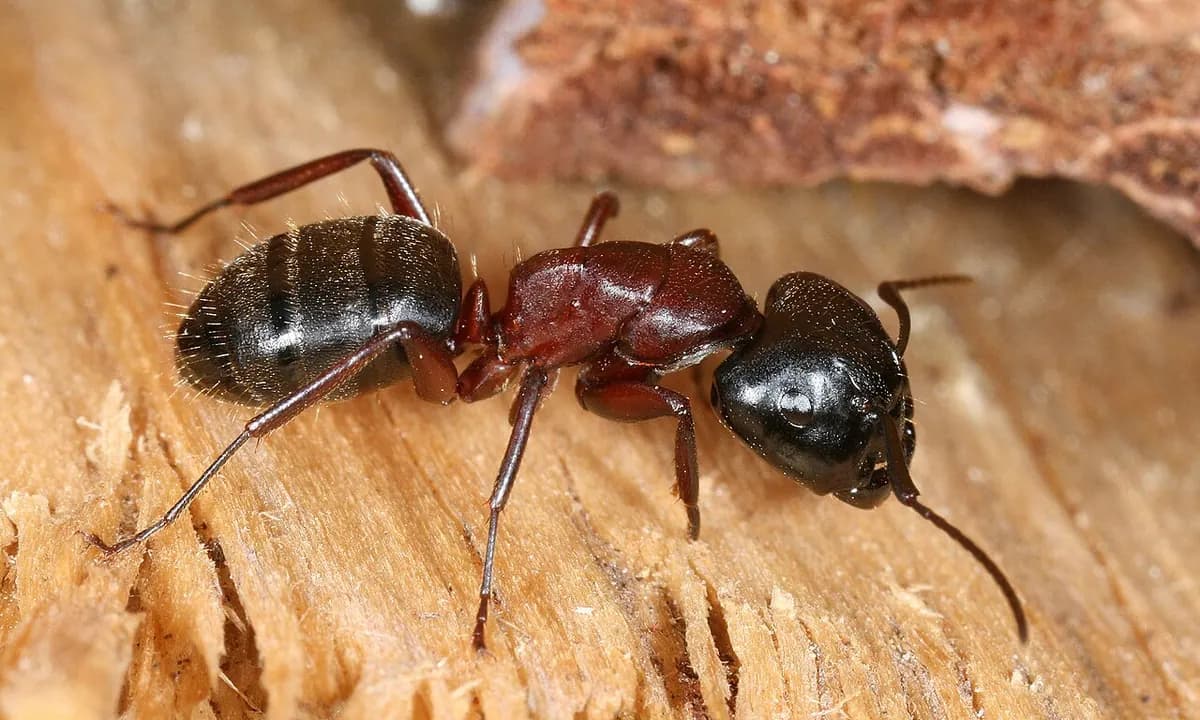
Carpenter ant
Can point to damp wood
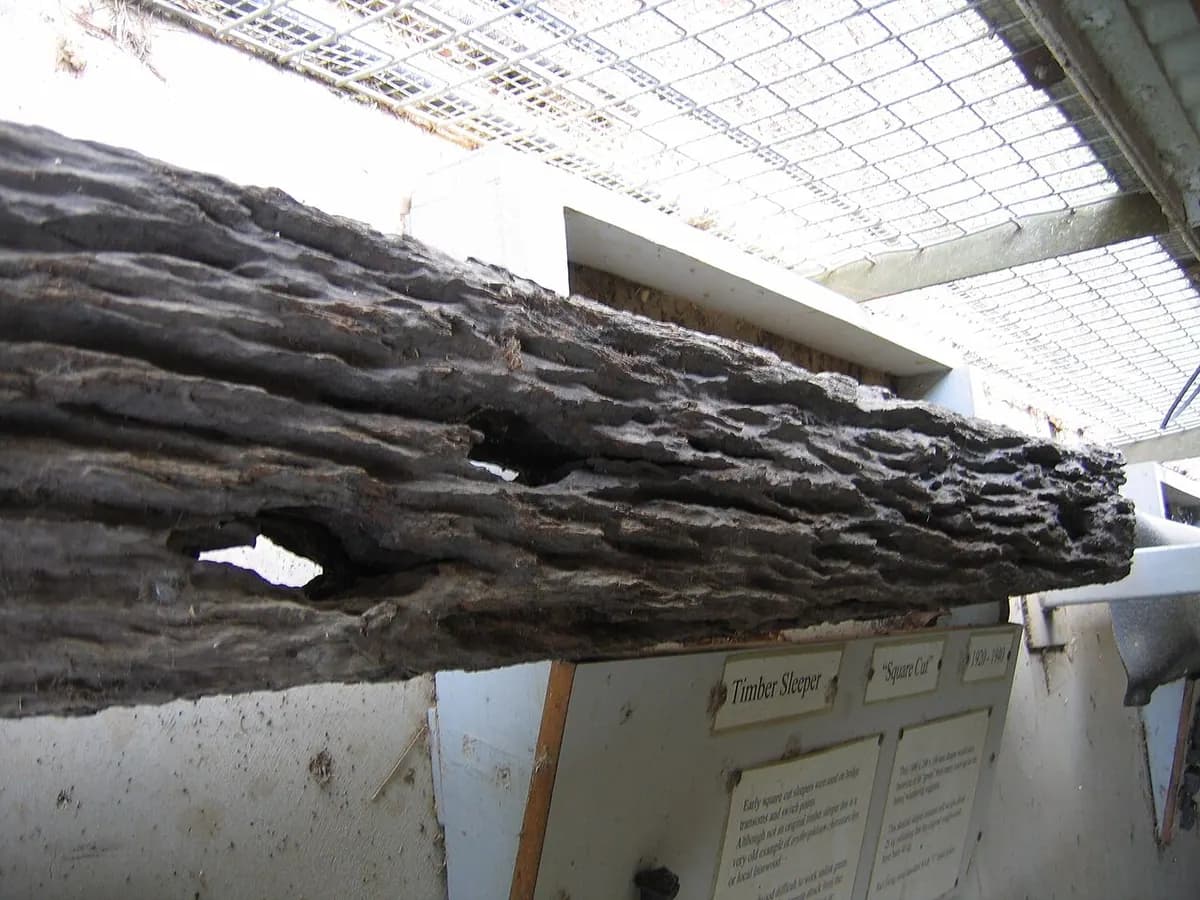
Termite damage
Ask the inspector to probe the wood
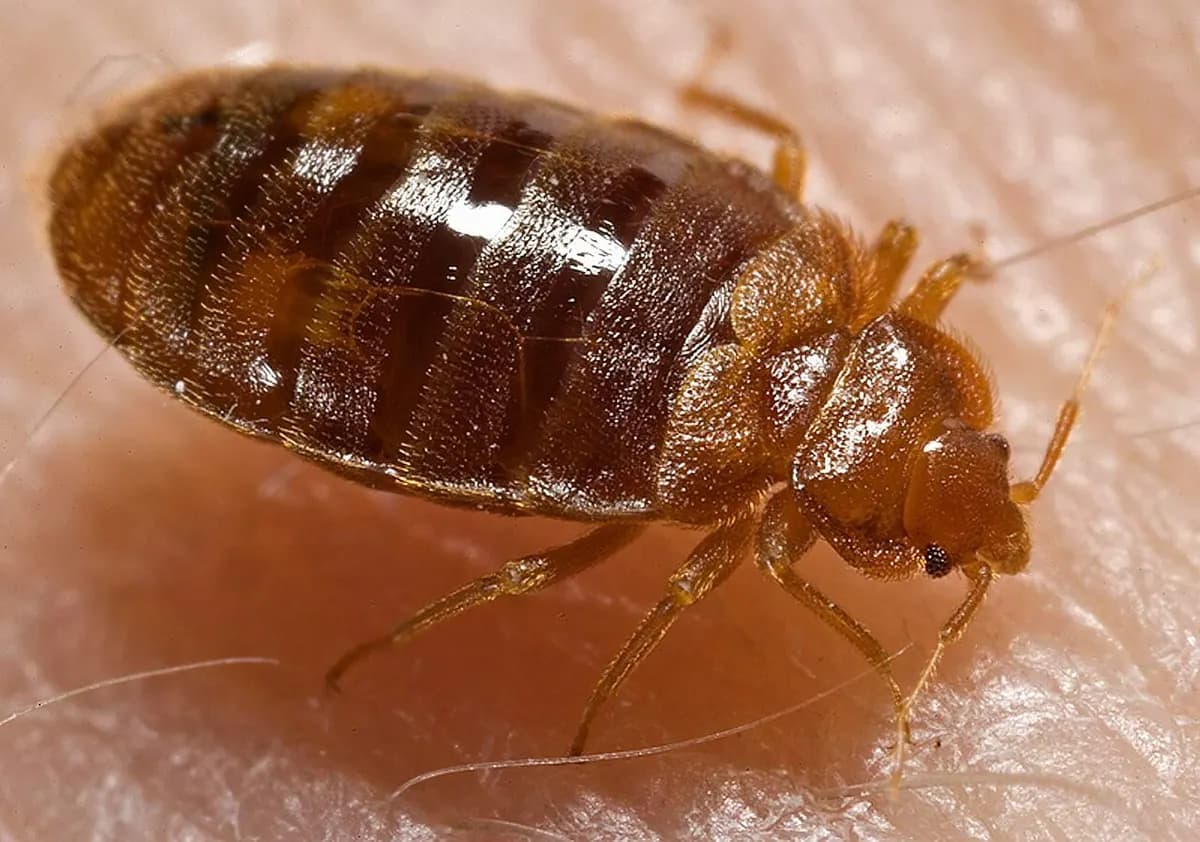
Bed bug
Ask what the plan covers, how long

House mouse
Ask if sealing entry points is quoted
Red flags
4 of 12Plan with no schedule or terms
Ask about renewal and cancelling.
Free inspection, urgent upsell
Always urgent, always to sign today.
Fogging as the first answer
The same heavy spray for every pest.
Product not named
Ask which product and where it goes.
8 more red flags
Termite treatment with no written warranty or bond terms.
Pressure to sign today, or a price that is only good right now.
A fair quote is still fair tomorrow.
No written quote, or a quote that is a single total with no detail about what is included.
A large payment up front, or a request for cash only.
Some states limit how much a contractor can ask for before work starts.
A license number that does not check out.
Where your state licenses this trade, look the number up yourself on the state licensing board's site.
No proof of insurance.
Ask for a certificate sent to you directly by the insurer or the agent.
A price far below every other quote, followed by extras once the work has started.
Someone who knocks on your door uninvited, or who will not give recent local references.
Where homeowners say it goes wrong
- They're grossed out or scared (roaches, rodents, a bat in the bedroom) and want someone NOW
- They're worried about pesticide safety around children, pets, and food
- They feel embarrassed (especially with bed bugs or roaches) and want discretion
- They don't trust whether they need a one-time spray or a real plan, and fear being upsold into a contract
- They got wildly different quotes and can't tell who's legitimate/licensed
- A termite or WDI issue is holding up a home sale and they're on a deadline
- A previous company sprayed once and 'the bugs came right back' so they doubt anything works
- For bed bugs/termites they're overwhelmed by the prep, cost, and multi-visit process
Ask every pest control company
What exactly will you apply and where, and what do I do about kids, pets and food before and after?
What does the plan cover (which pests, inside and out), how often are the visits, and what costs extra?
What do you do to keep them from coming back (sealing entry points, moisture and clutter fixes), and what is your re-service policy?
2 more questions
Are you licensed where this work requires it, and insured? Can I see the license number and a certificate of insurance sent to me by your insurer?
What exactly does the warranty cover, for how long, and who honors it (you, the manufacturer, or both)? Will you put it in writing?
Permits
This work rarely needs a permit, although exceptions exist when it touches structure, electrical, plumbing or gas.
Pest control is not a building-permit job, but applying pesticides for hire is regulated. In most states the company and its applicators need a state license, and termite treatments and fumigation are more tightly controlled. Ask for the license number and the treatment plan.
- Your building department decides what applies at your address. Rules differ by city and county, and HOA, condo or historic-district rules can add more.
- Ask who pulls the permit. Normally the licensed contractor does and the price includes it. If a contractor asks you to pull it in your own name, ask why: it can shift responsibility for the work to you.
- If you are unsure, call your local building department before you sign. Unpermitted work can cause problems with insurance and when you sell.
Words you'll see
IPM (Integrated Pest Management)
An approach that combines prevention, monitoring and targeted treatment instead of routine spraying. Ask how a provider uses it.
What this trade covers
14 kinds of jobsAs the trade lists them
- Recurring residential protection plans (quarterly, bi-monthly, or monthly perimeter + interior treatment)
- General pest one-time treatment and clean-out (ants, roaches/cockroaches, spiders, silverfish, earwigs, occasional invaders)
- Rodent / mouse / rat control: trapping, baiting, and exclusion (sealing entry points)
- Bed bug inspection and treatment (heat treatment and/or conventional chemical, often multi-visit)
- Termite inspection (WDI/WDO 'wood-destroying insect/organism' report) for real estate and lending
- Termite treatment and prevention (liquid soil termiticide barrier, baiting systems, termite bonds/warranties)
- Wasp, hornet, yellow-jacket, and stinging-insect nest removal
- Mosquito and tick yard treatments and seasonal reduction programs
- Wildlife / nuisance-animal removal (raccoon, squirrel, bat, opossum, skunk) plus exclusion and entry sealing
- Cockroach (German/American) clean-out for homes and kitchens
- Ant control including carpenter ants (which damage wood) and odorous/pavement/pharaoh ants
- Flea treatment (often paired with pet households and rodent activity)
- Crawlspace, attic, and perimeter pest exclusion and sealing
- Real-estate / closing inspections and move-in pest clean-outs
How people describe itUrgent calls and planned ones
When it can't wait
- “Someone just got stung by wasps and their face/throat is swelling and they're having trouble breathing”
- “My kid was stung several times and is breaking out in hives all over”
- “I think I just got bitten by a bat that was flying around my bedroom while we slept”
- “A raccoon is inside my house right now and won't leave and my kids are home”
- “There's a huge wasp nest right over my front door and I can't get in or out without getting swarmed”
- “Bats are flying around inside the living room and we can't get them out”
- “A squirrel got into the house and is running around tearing things up”
- “There are flying ants/termites swarming out of my wall inside the house right now”
- “Mice are everywhere overnight and my newborn's room has droppings all over”
- “I'm covered in bites and we have an infant - I think it's bed bugs in the crib room”
- “There's an aggressive nest of yellow jackets right where my elderly mother walks to her car”
When it can be planned
- “I keep seeing ants in my kitchen and want them gone”
- “I'd like to sign up for a quarterly pest control plan for my house”
- “I'm seeing spiders and the occasional bug and want regular service”
- “I need a termite/WDI inspection because we're closing on a house”
- “I want a quote for mosquito and tick treatment for my yard this summer”
- “I noticed some mouse droppings in the garage and want it checked”
- “There's a wasp nest under the eave I'd like removed when you can come out”
- “I think we might have bed bugs and want someone to inspect”
- “How much is your monthly pest plan and what does it cover?”
- “I want a one-time treatment before we move into our new place”
Paying for it
Before you finance anything6 basics, then the financing guide
Most home projects can be paid in cash or financed. A few basics before you sign anything:
- Ask for the cash price and the financed price in writing, for the same scope of work. They can differ, because a financing fee (sometimes called a dealer fee) may be built into the financed price.
- Compare the total you will pay over the whole loan, not just the monthly payment.
- Read the fine print on same-as-cash and zero-interest offers, especially what happens if the balance is not paid in full by the end of the promotional period.
- PACE financing is repaid through your property tax bill and can place a lien on your home. Read the terms closely, and consider asking your mortgage servicer how it is treated, before you agree.
- Utility and state programs sometimes offer low-rate loans for efficiency work. Check yours before accepting the contractor's offer.
- Take loan paperwork home and read it. A sign-it-today loan is a reason to slow down.
There is more in the financing guide.financing guide
We are not a lender and do not arrange loans. Financing information here is general education; lenders decide terms.
What an expert knows
Short notes from public sources such as federal agencies, safety groups and trade associations. Each note links to the page it came from, and every page was opened and read on 2026-10-03. This is a starting point, not a complete list of every rule or program, and it is general information, not legal, tax, engineering or insurance advice. Rules and prices vary by place, so confirm what applies at your address.
Types, pros, cons and lifespan6 notes, each with its source
- Integrated pest management: IPM monitors and identifies the pest first, prevents problems at the source, and then picks effective, lower-risk controls such as traps before targeted pesticides. Broadcast spraying of non-specific pesticides is a last resort.EPA: Integrated Pest Management (IPM) Principles (opens in a new tab)
- Liquid soil barrier for termites: The most common treatment is a soil-applied barrier with a termiticide labeled for that use. If done improperly it can contaminate the home and nearby drinking water wells and will not protect against termites, so hire a licensed, trained professional.EPA: Termites, How to Identify and Control Them (opens in a new tab)
- Termite baits: Bait systems use cellulose baits with a slow-acting insecticide and were introduced to reduce overall insecticide use.EPA: Termites, How to Identify and Control Them (opens in a new tab)
- Physical barriers: Steel mesh and sands of particular sizes work as barriers against termites, and are typically built in during construction. Borates are commonly sprayed on wood during new construction.EPA: Termites, How to Identify and Control Them (opens in a new tab)
- Traps and bait stations: These can control some pests with low exposure risk if kept out of reach of children and pets and used by the label.EPA: Smart Pest Control to Protect Your Health (opens in a new tab)
- Which termite: The common type in most of the U.S. is the native subterranean termite. Drywood and invasive Formosan termites are others, and control techniques differ for each, so identify the type first.EPA: Termites, How to Identify and Control Them (opens in a new tab)
Sizing and choosing5 notes, each with its source
- Identify the pest first: Many ants look like termites and swarm at the same time. Identify the pest before choosing a treatment.National Pesticide Information Center: Termites (opens in a new tab)
- One sighting is not an infestation: IPM sets an action threshold. Seeing a single pest does not always mean control is needed, and not every organism needs control.EPA: Integrated Pest Management (IPM) Principles (opens in a new tab)
- How to spot termites: Probe exposed wood with a screwdriver for hollow spots, watch for swarms, and look for mud tubes.EPA: Termites, How to Identify and Control Them (opens in a new tab)
- Get two or three bids: Compare bids from two or three companies, and look at value more than price. A bargain may deserve a second look.EPA: Choosing a Pest Control Company (opens in a new tab)
- Bed bugs need patience: Prepare for multiple visits, since few infestations clear with one treatment.EPA: Hiring a Pest Management Professional for Bed Bugs (opens in a new tab)
Maintenance by season5 notes, each with its source
- Cut off food, water and shelter: Seal food and scraps, remove garbage regularly, fix leaky plumbing, remove standing water, caulk cracks and keep window and door screens bug-tight.EPA: Smart Pest Control to Protect Your Health (opens in a new tab)
- Keep the foundation dry: Grade and drain so soil near the foundation stays dry, maintain gutters and downspouts, and keep trees and shrubs from touching the house.EPA: Termites, How to Identify and Control Them (opens in a new tab)
- Wood and mulch: Store firewood several feet from the house and off the ground, keep mulch several inches below wooden parts, and clear wood and paper from crawl spaces.National Pesticide Information Center: Termites (opens in a new tab)
- Inspect inside and out: Regular inspections catch rodents early, and it is easier to control them before they are established. Seal holes and trap.CDC: Rodent Control (opens in a new tab)
- Mosquitoes: Eliminate standing water in gutters, buckets, bird baths and plant trays where mosquitoes breed.EPA: Smart Pest Control to Protect Your Health (opens in a new tab)
Code and permit basics4 notes, each with its source
- Companies must be licensed: Most states license pest control operators. Ask to see the license, check it is current and the right classification for the job, and verify with your state pesticide agency. This is general information, not legal advice.National Pesticide Information Center: Selecting a Pest Control Company (opens in a new tab)
- Use only registered products: Do not buy a pesticide without an EPA registration number on the label, and use it only as the label directs.EPA: Smart Pest Control to Protect Your Health (opens in a new tab)
- Some products are professional-only: Some termiticides can only be used by trained and licensed professionals, and in most cases termiticide application is properly done only by one.EPA: Termites, How to Identify and Control Them (opens in a new tab)
- Re-entry after treatment: The time before you can return varies by product and is on the label. Make sure the applicator tells you when you may re-enter.EPA: Termites, How to Identify and Control Them (opens in a new tab)
What moves the price4 notes, each with its source
- Pest and method: Termite treatments can be costly and time consuming, and baiting and liquid barriers differ in how they are applied and maintained.National Pesticide Information Center: Termites (opens in a new tab)
- Number of visits: Bed bug control usually takes multiple visits, plus the cleaning and laundering you do to prepare.EPA: Hiring a Pest Management Professional for Bed Bugs (opens in a new tab)
- Long-term contracts: Ask whether you must sign a long-term contract and what the long-term cost is.National Pesticide Information Center: Selecting a Pest Control Company (opens in a new tab)
- Moisture and wood repairs: If you find nests, damaged wood must be removed and excess moisture eliminated, which adds repair work beyond treatment.National Pesticide Information Center: Termites (opens in a new tab)
Common scams5 notes, each with its source
- No guarantee: Be skeptical of a company that will not guarantee its work, and ask what you must do to keep your part of the bargain.EPA: Choosing a Pest Control Company (opens in a new tab)
- A suspiciously cheap bargain: What appears to be a bargain may warrant a second look.EPA: Choosing a Pest Control Company (opens in a new tab)
- Green labels: Any company, including one advertising as green, should inspect your home and outline a recommended control program.EPA: Choosing a Pest Control Company (opens in a new tab)
- Relying on ads or the salesperson: Do not rely on the salesperson or advertising for the company's track record. Ask neighbors and check with the state pesticide agency or consumer office.EPA: Choosing a Pest Control Company (opens in a new tab)
- Unregistered pesticides: Do not buy pesticides lacking an EPA registration number.EPA: Smart Pest Control to Protect Your Health (opens in a new tab)
Ask for this in writing4 notes, each with its source
- The treatment plan: The active ingredients, the form of the pesticide, health effects, nonchemical alternatives, and steps to reduce your exposure such as vacating, emptying cupboards and removing pets.EPA: Choosing a Pest Control Company (opens in a new tab)
- Labels and application rates: A copy of the license and the labels for the pesticides to be used, with the rates.National Pesticide Information Center: Selecting a Pest Control Company (opens in a new tab)
- Guarantee terms: What the guarantee covers and what you must do to keep it in force.EPA: Choosing a Pest Control Company (opens in a new tab)
- Your safety concerns: Allergies, infants, older adults, pets and nearby wildlife or fish, reflected in the contract.EPA: Choosing a Pest Control Company (opens in a new tab)
Repair or replace4 notes, each with its source
- Termites are hard to DIY: Do-it-yourself termite treatments may be less effective than professional ones, and nests are hard to find and remove.National Pesticide Information Center: Termites (opens in a new tab)
- Bed bugs: do not wait: Get a professional involved quickly. Trying to treat the problem yourself first could help the infestation spread.EPA: Hiring a Pest Management Professional for Bed Bugs (opens in a new tab)
- Rodents: seal, trap, clean: If you are comfortable, seal holes, trap and clean up safely. If not, hire a rodent control professional and ask to see the license.EPA: Tips for Hiring a Rodent Control Professional (opens in a new tab)
- Clean up safely: Wear rubber or plastic gloves, soak urine, droppings and nests with a bleach solution or EPA-registered disinfectant, and do not sweep or vacuum them.CDC: How to Clean Up After Rodents (opens in a new tab)
Questions to ask an expert5 notes, each with its source
- Is the license current and the right classification? Verify it with the state pesticide office.National Pesticide Information Center: Selecting a Pest Control Company (opens in a new tab)
- Do you use integrated pest management? Ask what monitoring and prevention you will do first.National Pesticide Information Center: Selecting a Pest Control Company (opens in a new tab)
- What is the least toxic method that will do the job? Ask to see the product label before anything is applied.EPA: Choosing a Pest Control Company (opens in a new tab)
- Can you show proof of insurance? Ask what it covers and whether employees are bonded.EPA: Choosing a Pest Control Company (opens in a new tab)
- What exactly is guaranteed? Ask what you must do to keep the guarantee.EPA: Choosing a Pest Control Company (opens in a new tab)
General information, not legal, tax, engineering or insurance advice. Photos credited with their licenses; drawings made for this site. Guide updated October 3, 2026.