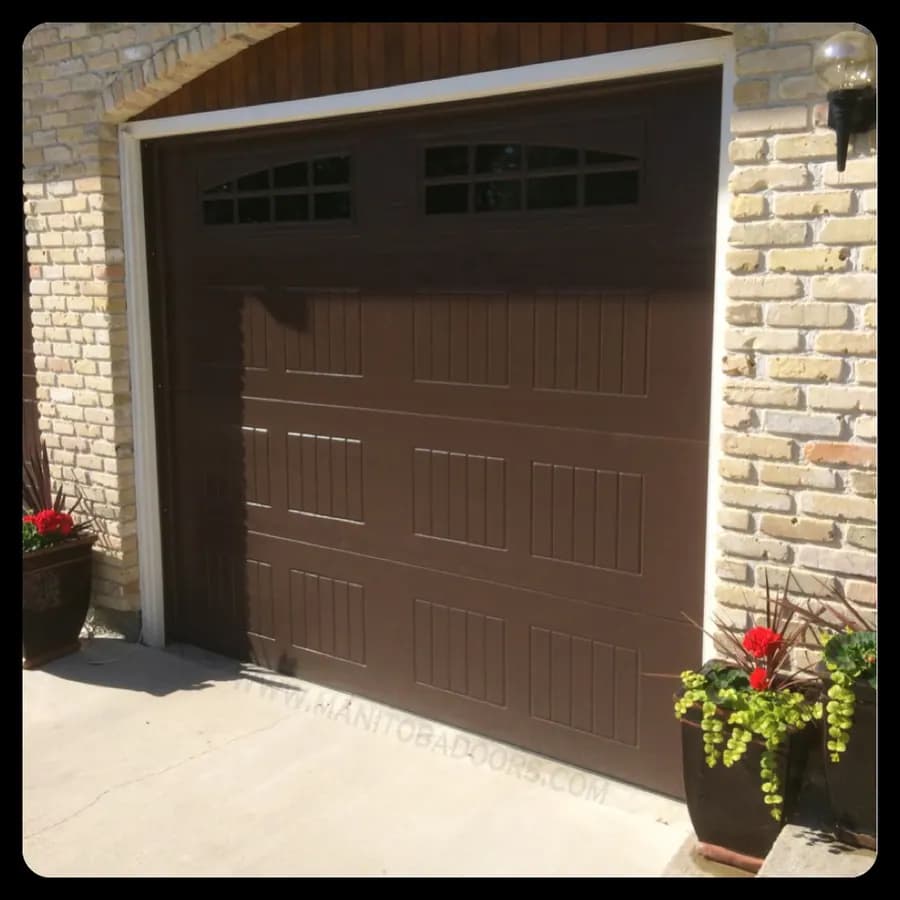
Photo: Neongtsr, “Manitoba garage door”, CC BY-SA 4.0, via Wikimedia Commons. Resized and converted to WebP; shown cropped.
Garage doors
Doors, openers, springs, cables, keypads.
On this page11 sections: urgent, quote, red flags, permits…
Is it urgent?
Never adjust or release a garage door spring or cable yourself. Stay away from a door that is off its track.
Emergency: call now
- Broken spring (loud bang)
- Stuck open, house unsecured
- Door off its track
- Snapped cable, door uneven
- Car locked in or out
Within a day or two
- Opens crooked or jerky
- Grinds, reverses, won't stay
- Opener works on and off
- Frayed cable
- Safety sensor misaligned
Can wait: schedule it
- Tune-up or safety check
- Weather seals
- Remote or keypad setup
- New door or opener quote
The full list, in the guide's words
Safety first: Never try to adjust, loosen or release a garage door spring or cable yourself. The stored tension is a leading cause of injuries in this trade. If anyone has been struck or pinned, keep everyone clear and call 911. Stay away from a door that is off its track.
Emergency: call now
- A broken spring (a loud bang, a door that will not lift or lifts only a few inches), especially with a car trapped inside
- A door stuck fully open that leaves the house unsecured
- A door off its track, jammed or with a panel hanging, or a snapped cable that leaves the door hanging unevenly
- An opener failure that has locked a car in or out before a work, school or medical trip
Within a day or two
- A door that still works but opens crooked or jerky, grinds loudly, reverses or will not stay down
- An opener that works intermittently, one frayed cable, or a misaligned safety sensor
Can wait: schedule it
- Tune-ups, safety inspections, lubrication and balance checks
- Weather seals, and remote and keypad programming
- Quotes for a new door, an opener replacement or a damaged panel
This is general guidance, not a diagnosis. If anyone is in danger, call 911 first.
What's on a garage doors quote
SpringsAsk: type, size and cycle rating?
The type (torsion or extension), the size and the cycle rating. The cycle rating tells you roughly how long a spring should last.
Cables, rollers, tracksAsk: which wear parts are replaced?
Wear parts are often replaced together when a spring breaks.
OpenerAsk: drive type, battery backup?
The drive type, power and features such as battery backup or Wi-Fi.
Door panelsAsk: material, insulation, size?
Material, insulation, windows and size, if a new door is part of the job.
Safety checksAsk: balance, auto-reverse, sensors?
Balance, the auto-reverse feature and the safety sensors.
Labor & warrantyAsk: which parts and labor, how long?
Ask which parts and labor are covered and for how long.
What a good estimate spells out9 things to look for
- The contractor's legal name, license number if one applies, and contact details, plus your name and address.
- What work is included, and what is not.
- The brand, model and size of major equipment and materials, not just standard or builder grade.
- Who pulls the permit and who pays for it and for inspections.
- Cleanup, and what happens to the old materials.
- A start date and a realistic finish date, and what happens if the schedule slips.
- Warranty terms: what is covered, for how long and who honors it.
- When and how you pay, tied to finished stages of work rather than just dates.
- How changes are handled: a written price for any change before the work happens.
Know what you're looking at
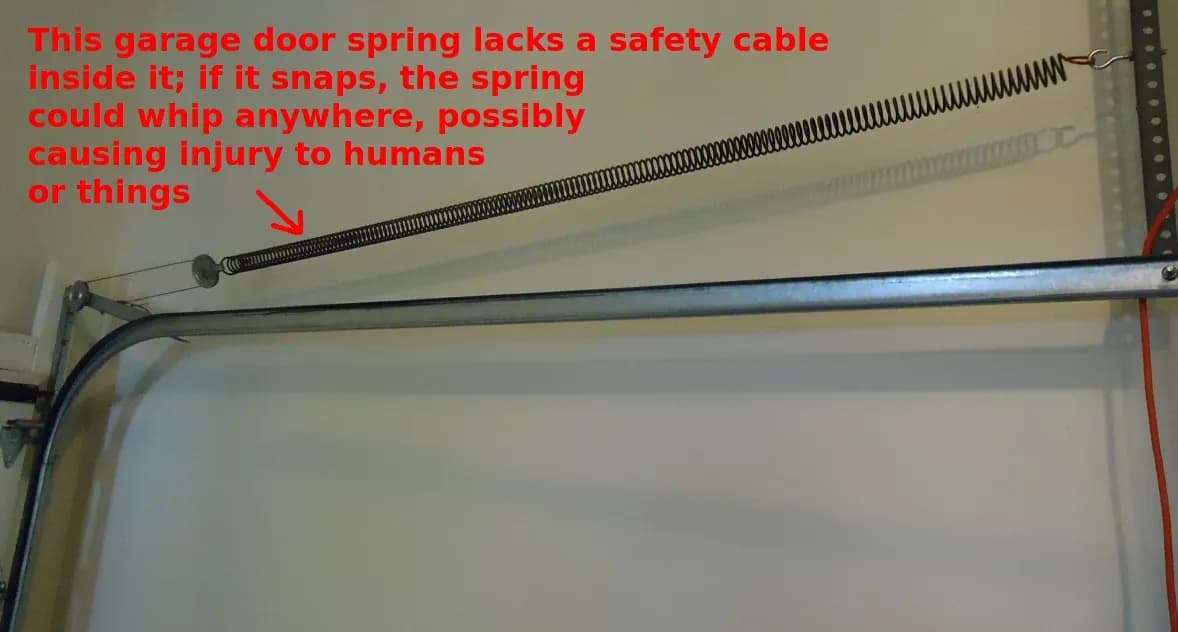
Torsion spring
Ask if it has a safety cable
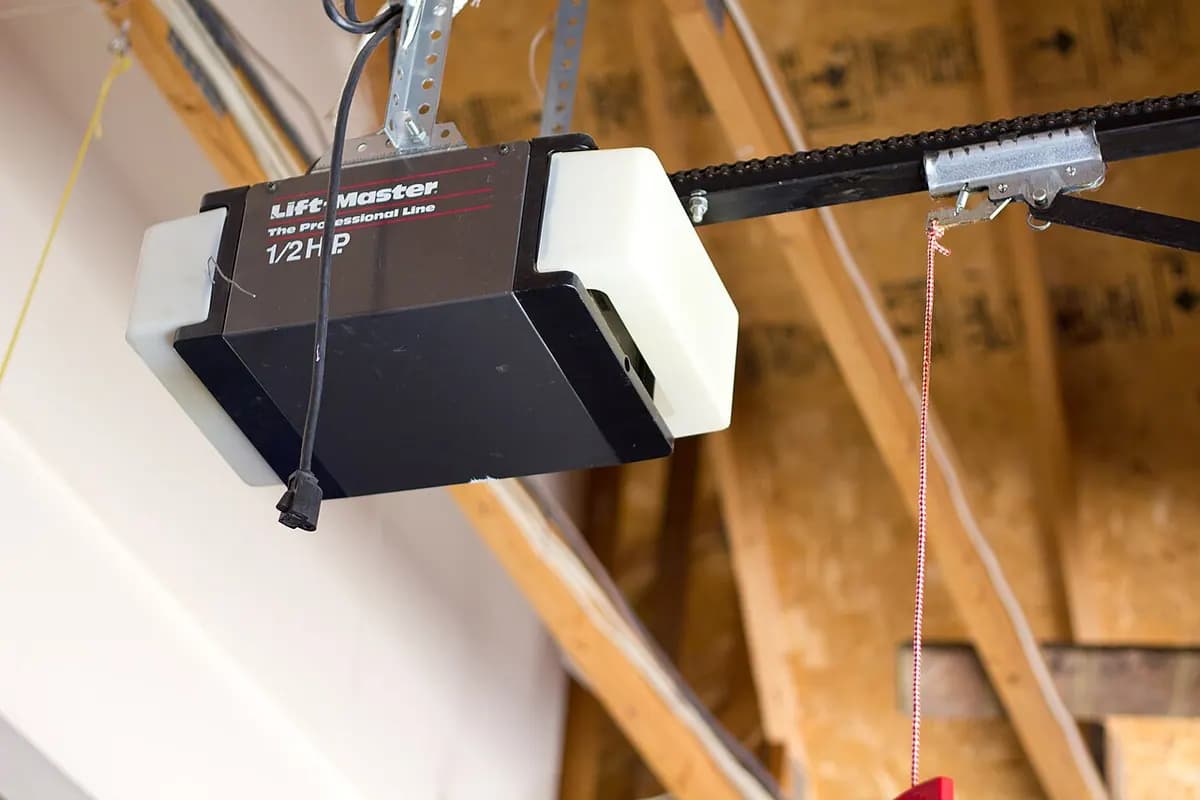
Opener
Moves the door; springs carry it
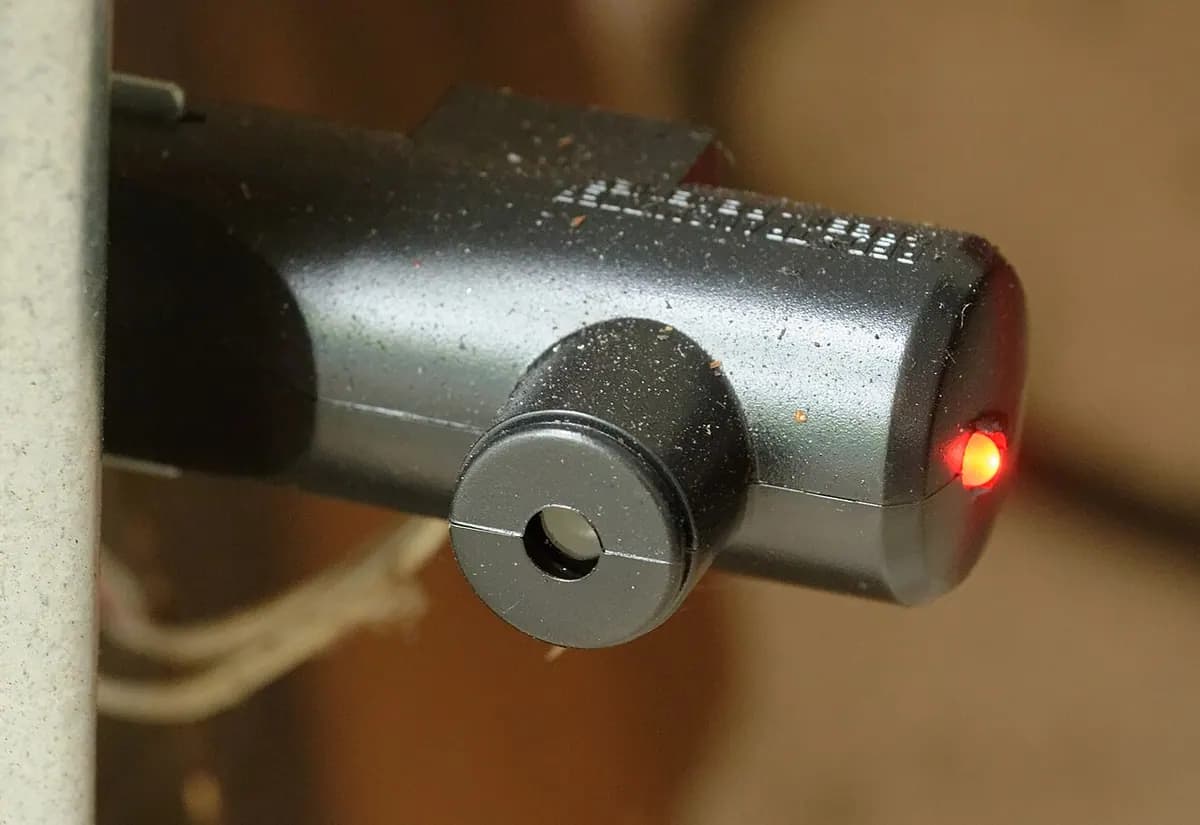
Safety sensor
Stops the door closing on things
Red flags
4 of 11No spring size or cycle rating
Low-cycle springs may need replacing sooner.
Whole new door for one part
Ask why a panel or part won't do.
Low call price that rises
Ask for the total before they come.
Told to adjust the spring yourself
Spring tension causes injuries.
7 more red flags
Pressure to sign today, or a price that is only good right now.
A fair quote is still fair tomorrow.
No written quote, or a quote that is a single total with no detail about what is included.
A large payment up front, or a request for cash only.
Some states limit how much a contractor can ask for before work starts.
A license number that does not check out.
Where your state licenses this trade, look the number up yourself on the state licensing board's site.
No proof of insurance.
Ask for a certificate sent to you directly by the insurer or the agent.
A price far below every other quote, followed by extras once the work has started.
Someone who knocks on your door uninvited, or who will not give recent local references.
Where homeowners say it goes wrong
- Their car is trapped or the house is left unsecured and they need someone today, not next week
- They're afraid to touch a broken spring (rightly — it's dangerous) and need a pro fast
- They got a surprise repair quote and don't know if a spring or opener price is fair
- Their old door keeps breaking and they don't know whether to keep fixing it or replace it
- Past companies no-showed, gave vague arrival windows, or did unsafe spring work
Ask every garage door company
What spring type, size and cycle rating are you installing, and is it matched to my door's weight?
Are you replacing related worn parts (cables, rollers) at the same time, and what is the price with and without them?
Does the work include checking the balance, the auto-reverse feature and the safety sensors?
2 more questions
Are you licensed where this work requires it, and insured? Can I see the license number and a certificate of insurance sent to me by your insurer?
What exactly does the warranty cover, for how long, and who honors it (you, the manufacturer, or both)? Will you put it in writing?
Permits
This work rarely needs a permit, although exceptions exist when it touches structure, electrical, plumbing or gas.
Rarely. Replacing parts or an opener normally needs no permit. A new door in a different size, or changes to the structure, may need one, and some HOAs regulate how a door looks.
- Your building department decides what applies at your address. Rules differ by city and county, and HOA, condo or historic-district rules can add more.
- Ask who pulls the permit. Normally the licensed contractor does and the price includes it. If a contractor asks you to pull it in your own name, ask why: it can shift responsibility for the work to you.
- If you are unsure, call your local building department before you sign. Unpermitted work can cause problems with insurance and when you sell.
Words you'll see
Torsion spring
The spring mounted on a bar above the door that does most of the lifting. It is under heavy tension. Only a trained technician should handle it.
What this trade covers
14 kinds of jobsAs the trade lists them
- Broken torsion / extension spring replacement (single and dual-spring doors)
- Door won't open or close / door stuck diagnosis and repair
- Off-track door correction and re-track / roller replacement
- Garage door cable replacement (snapped or frayed)
- Garage door opener repair (logic board, gear/sprocket, limit/force, sensors)
- Garage door opener replacement and installation (chain/belt/screw/jackshaft)
- Battery-backup and smart/Wi-Fi opener setup
- Photo-eye safety sensor alignment and auto-reverse safety adjustment
- New garage door installation (single and double, steel/aluminum/wood/composite)
- Insulated door upgrades and single damaged-panel / section replacement
- Annual tune-up / multi-point safety inspection (balance, lube, hardware)
- Weather seal / bottom astragal and weatherstripping replacement
- Remote, keypad, and rolling-code programming
- Hinge, bracket, drum, and track hardware repair
How people describe itUrgent calls and planned ones
When it can't wait
- “My garage door spring just snapped with a loud bang and now the door won't open at all”
- “My car is trapped inside the garage and the door won't go up”
- “The garage door is stuck wide open and won't come down — my house is wide open”
- “The door came off the track and it's hanging crooked”
- “A cable snapped and the door is hanging unevenly and looks like it could fall”
- “Someone backed into the garage door and it's bent and jammed”
- “The opener died and I can't get my car out before work”
- “The door started closing and the spring let go — please don't let anyone stand under it”
- “The door won't close and we're leaving town, the house can't be left unsecured”
When it can be planned
- “I'd like a quote on a new insulated garage door”
- “Can I schedule a yearly tune-up and safety inspection?”
- “My garage door is getting loud and I'd like it lubed and adjusted”
- “I want to replace my old opener with a quieter one with battery backup”
- “One panel of my door is dented — can you match and replace just that section?”
- “Can you program a new remote / keypad for me?”
- “My weather seal at the bottom is cracked and letting cold in”
- “I'm thinking about upgrading to a smart Wi-Fi opener”
- “How much would a double garage door installed cost?”
Paying for it
Before you finance anything6 basics, then the financing guide
Most home projects can be paid in cash or financed. A few basics before you sign anything:
- Ask for the cash price and the financed price in writing, for the same scope of work. They can differ, because a financing fee (sometimes called a dealer fee) may be built into the financed price.
- Compare the total you will pay over the whole loan, not just the monthly payment.
- Read the fine print on same-as-cash and zero-interest offers, especially what happens if the balance is not paid in full by the end of the promotional period.
- PACE financing is repaid through your property tax bill and can place a lien on your home. Read the terms closely, and consider asking your mortgage servicer how it is treated, before you agree.
- Utility and state programs sometimes offer low-rate loans for efficiency work. Check yours before accepting the contractor's offer.
- Take loan paperwork home and read it. A sign-it-today loan is a reason to slow down.
There is more in the financing guide.financing guide
We are not a lender and do not arrange loans. Financing information here is general education; lenders decide terms.
What an expert knows
Short notes from public sources such as federal agencies, safety groups and trade associations. Each note links to the page it came from, and every page was opened and read on 2026-10-03. This is a starting point, not a complete list of every rule or program, and it is general information, not legal, tax, engineering or insurance advice. Rules and prices vary by place, so confirm what applies at your address.
Types, pros, cons and lifespan6 notes, each with its source
- Spring systems: Springs are arguably the most important and most dangerous part of a garage door because they hold high tension and wear out. If a door has two springs, replace both even if only one broke.DASMA: Garage Door Safety Tips (opens in a new tab)
- Extension springs and safety cables: Doors with extension springs need a safety cable through each spring, anchored at both ends, so a broken spring stays contained.DASMA: Garage Door Safety Tips (opens in a new tab)
- Door, track and sections work as a system: A replacement door should use the track designed for it, because thickness, weight, headroom and opener location all affect fit.DASMA: Garage Door Safety Tips (opens in a new tab)
- Pinch-resistant joints and handles: If a door lacks pinch-resistant joints, it should have lift handles or safe gripping points inside and outside, so no one puts fingers between sections.DASMA: Garage Door Safety Tips (opens in a new tab)
- Automatic openers: Since 1993 every opener made for the U.S. must have a second safety reversing feature such as photoelectric eyes near the floor. An opener without one should be replaced.DASMA: Garage Door Opener Safety Tips (opens in a new tab)
- Rolling-code remotes: Some thieves record a remote's signal and replay it. A remote with rolling code technology changes the code after every use.DASMA: Garage Door Opener Safety Tips (opens in a new tab)
Sizing and choosing5 notes, each with its source
- A balanced door: A properly working door is balanced: it stays in place when stopped partway open. A badly unbalanced door can crash down on someone.CPSC: Non-Reversing Automatic Garage Door Openers Are a Hazard (Pub 523) (opens in a new tab)
- A heavy door is not an opener problem: If the door feels heavy or needs two hands, it is probably out of balance. The answer is not a more powerful opener, because openers are built to lift balanced doors.DASMA: Garage Door Opener Safety Tips (opens in a new tab)
- Photo eye height: Photo eyes should be no higher than 6 inches above the floor, or a person or pet could get under the beam undetected. CPSC says 4 to 6 inches.CPSC: Non-Reversing Automatic Garage Door Openers Are a Hazard (Pub 523) (opens in a new tab)
- Wall button height: Mount the wall push button at least 5 feet above the floor and out of children's reach.DASMA: Garage Door Opener Safety Tips (opens in a new tab)
- Opener reinforcement: A reinforcement bracket on the top door section protects the door from damage.DASMA: Garage Door Opener Safety Tips (opens in a new tab)
Maintenance by season5 notes, each with its source
- Every month: Inspect the door and opener every 30 days. Test the auto-reverse by laying a 2x4 in the door's path. If the door does not reverse when it hits it, disengage the opener until it is adjusted, repaired or replaced.CPSC: Non-Reversing Automatic Garage Door Openers Are a Hazard (Pub 523) (opens in a new tab)
- Every year: Although you should do monthly safety checks, an annual visit from a trained door systems technician keeps the door safe and smooth.DASMA: Garage Door Safety Tips (opens in a new tab)
- Squeaky springs: Normal use can make springs noisy. Try a spray-on lubricant made for garage doors before calling a technician.DASMA: Garage Door Safety Tips (opens in a new tab)
- Check the cables: Look at the cables from the springs to the bottom brackets on both sides. Frayed or worn cables can break, and only a trained technician should replace them.DASMA: Garage Door Safety Tips (opens in a new tab)
- Watch it close: Watch the door until it fully closes when using a button or remote so no person or animal is caught under it.DASMA: Garage Door Opener Safety Tips (opens in a new tab)
Code and permit basics4 notes, each with its source
- Federal reversing rules: CPSC requires reversing systems on openers made or imported for sale in the U.S. after January 1, 1991, and an external entrapment protection system such as an electric eye or door edge sensor since 1993. This is general information, not legal advice.CPSC: Non-Reversing Automatic Garage Door Openers Are a Hazard (Pub 523) (opens in a new tab)
- Non-reversing openers: Homeowners with openers that do not automatically reverse should repair or replace them. About 73 children were killed under automatic garage doors between 1982 and the date of the CPSC notice.CPSC: Non-Reversing Automatic Garage Door Openers Are a Hazard (Pub 523) (opens in a new tab)
- Industry handle standard: DASMA Standard 116 calls for lift handles or safe gripping points when a door lacks pinch-resistant joints.DASMA: Garage Door Safety Tips (opens in a new tab)
- Tamper-resistant brackets: Bottom brackets are connected to the springs and sit under extreme tension, so only a trained technician should adjust or loosen them.DASMA: Garage Door Safety Tips (opens in a new tab)
What moves the price4 notes, each with its source
- Both springs, not one: Replacing both springs when one breaks prevents damage from the second one failing and keeps the door working well.DASMA: Garage Door Safety Tips (opens in a new tab)
- Matching track and parts: Reusing the old track may save a few dollars, but it may not fit the new door. DASMA says to use the track designed for your specific door.DASMA: Garage Door Safety Tips (opens in a new tab)
- Cables and brackets: These are under high tension and are done by a trained technician, so they add labor.DASMA: Garage Door Safety Tips (opens in a new tab)
- Safety features: Photo eyes, reinforcement brackets, rolling-code remotes and tamper-resistant hardware are separate parts to ask about.DASMA: Garage Door Opener Safety Tips (opens in a new tab)
Common scams4 notes, each with its source
- You need a bigger opener: A heavy-feeling door usually means a balance problem. A more powerful opener is not the answer.DASMA: Garage Door Opener Safety Tips (opens in a new tab)
- Pressure to sign today: Discounts that only hold if you sign right away are a warning sign.FTC: How To Avoid Scams After Weather Emergencies and Natural Disasters (opens in a new tab)
- Cash only, all up front: Do not pay the full cost before the work is complete, and avoid cash or wire payments.FTC: How To Avoid a Home Improvement Scam (opens in a new tab)
- Door-knocking offers: Uninvited workers who say they are in the area are a common home repair scam pattern.FTC: How To Avoid a Home Improvement Scam (opens in a new tab)
Ask for this in writing4 notes, each with its source
- Springs and cables: That both springs are replaced when there are two, and what is done about the cables and brackets.DASMA: Garage Door Safety Tips (opens in a new tab)
- Safety cables: That extension springs have safety cables.DASMA: Garage Door Safety Tips (opens in a new tab)
- Opener safety test: That the auto-reverse and photo eyes were tested and adjusted at the end of the job.CPSC: Non-Reversing Automatic Garage Door Openers Are a Hazard (Pub 523) (opens in a new tab)
- Parts list: The door, track, opener and remote type, including whether remotes use rolling code.DASMA: Garage Door Opener Safety Tips (opens in a new tab)
Repair or replace4 notes, each with its source
- Non-reversing opener: Repair or replace it. An opener without a second safety reversing feature should be replaced.CPSC: Non-Reversing Automatic Garage Door Openers Are a Hazard (Pub 523) (opens in a new tab)
- Old springs: If you have an older door, have the springs inspected by a professional and replaced if needed.DASMA: Garage Door Safety Tips (opens in a new tab)
- Frayed cables: Replace worn cables promptly, by a technician.DASMA: Garage Door Safety Tips (opens in a new tab)
- Struggling door: If it does not move smoothly even by hand, the spring system may be out of balance and needs a trained professional.DASMA: Garage Door Safety Tips (opens in a new tab)
Questions to ask an expert4 notes, each with its source
- Is my door balanced? Ask for a balance check before any opener work.CPSC: Non-Reversing Automatic Garage Door Openers Are a Hazard (Pub 523) (opens in a new tab)
- Do my springs need replacing, and will you replace both? Ask about cables and brackets too.DASMA: Garage Door Safety Tips (opens in a new tab)
- Will you test auto-reverse and set the photo eyes? Ask for the photo eye height.CPSC: Non-Reversing Automatic Garage Door Openers Are a Hazard (Pub 523) (opens in a new tab)
- Is the track right for the new door? Ask about thickness, weight and headroom.DASMA: Garage Door Safety Tips (opens in a new tab)
General information, not legal, tax, engineering or insurance advice. Photos credited with their licenses; drawings made for this site. Guide updated October 3, 2026.