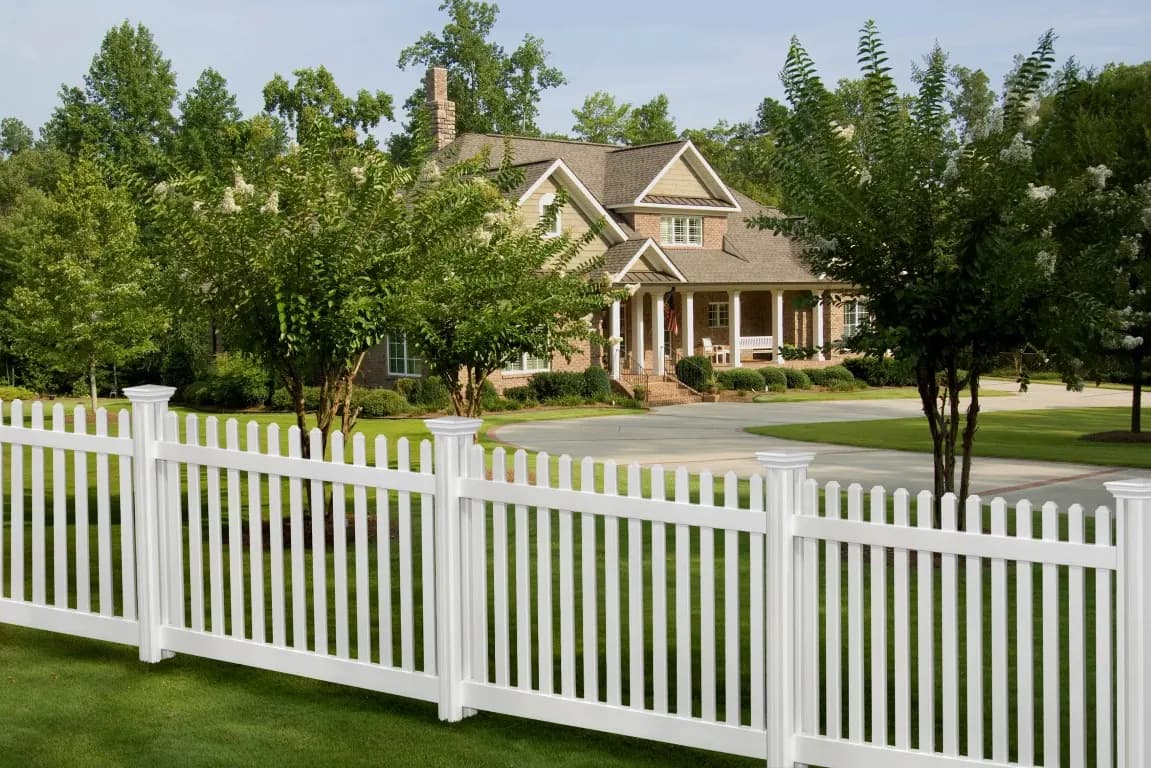
Photo: Deniseesser, “JiminyPicketVinylFence”, CC BY-SA 3.0, via Wikimedia Commons. Resized and converted to WebP; shown cropped.
Fencing
Wood, vinyl, chain-link, aluminum fences and gates.
On this page11 sections: urgent, quote, red flags, permits…
Is it urgent?
Power lines tangled in a fallen fence? Stay well back, don't touch it, and call 911 and your utility.
Emergency: call now
- Fence down, pets can get out
- Pool gate no longer latches
- Driveway gate stuck
Within a day or two
- Leaning posts
- Gate sags or drags
- Damaged section
Can wait: schedule it
- New fence or replacement
- Staining
- Cosmetic repairs
The full list, in the guide's words
Safety first: If power lines are tangled in a fallen fence, stay well back and call 911 and your utility. Do not touch the fence.
Emergency: call now
- Storm, tree or vehicle damage with the fence down and a dog or child able to get out
- A pool barrier or self-latching gate that no longer secures the pool
- A stuck driveway gate that traps a vehicle in or out
Within a day or two
- Leaning posts or partly down sections that still contain pets
- Gates that sag or drag but still function
- Damaged fencing where the rest of the property is fenced
Can wait: schedule it
- New fence installs, replacements, staining and quotes
- Cosmetic repairs
This is general guidance, not a diagnosis. If anyone is in danger, call 911 first.
What's on a fencing quote
MaterialsAsk: post size and spacing?
Wood species and grade, or the type of vinyl, aluminum or chain-link, plus post size and spacing.
Posts & footingsAsk: how deep, set in concrete?
How deep the posts go and whether they are set in concrete. This is what decides how long a fence lasts.
Gates & hardwareAsk: hinges, latch, any operator?
Hinges, latches and any gate operator. Gates are where fences most often fail first.
Old fence removalAsk: is haul-away included?
Taking down and hauling away what is there.
Line, permit, utilitiesAsk: who confirms the line and marks?
Confirming the property line, HOA or city approval, and having buried utilities marked before digging.
Labor & cleanupAsk: how are slopes handled?
Ask how slopes and obstacles are handled.
What a good estimate spells out9 things to look for
- The contractor's legal name, license number if one applies, and contact details, plus your name and address.
- What work is included, and what is not.
- The brand, model and size of major equipment and materials, not just standard or builder grade.
- Who pulls the permit and who pays for it and for inspections.
- Cleanup, and what happens to the old materials.
- A start date and a realistic finish date, and what happens if the schedule slips.
- Warranty terms: what is covered, for how long and who honors it.
- When and how you pay, tied to finished stages of work rather than just dates.
- How changes are handled: a written price for any change before the work happens.
Know what you're looking at
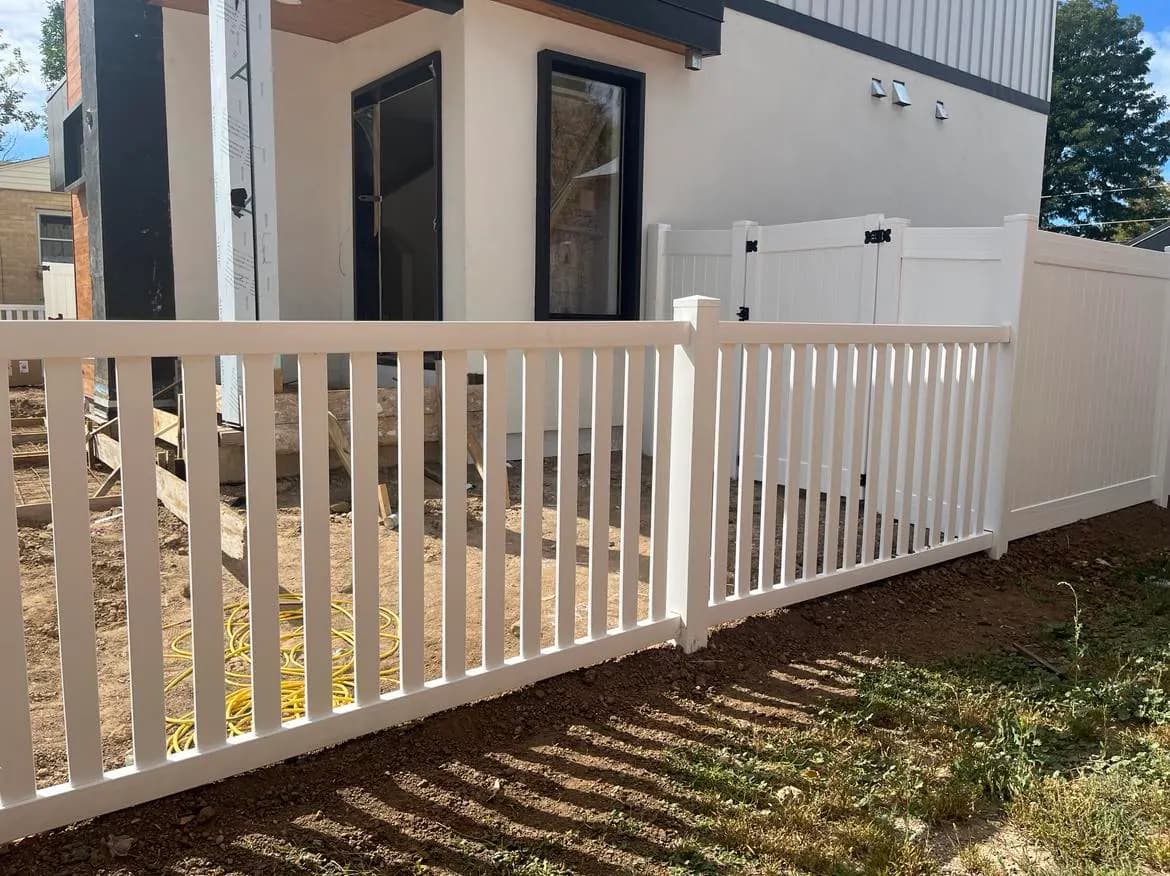
Vinyl privacy panel
Ask how the posts are set
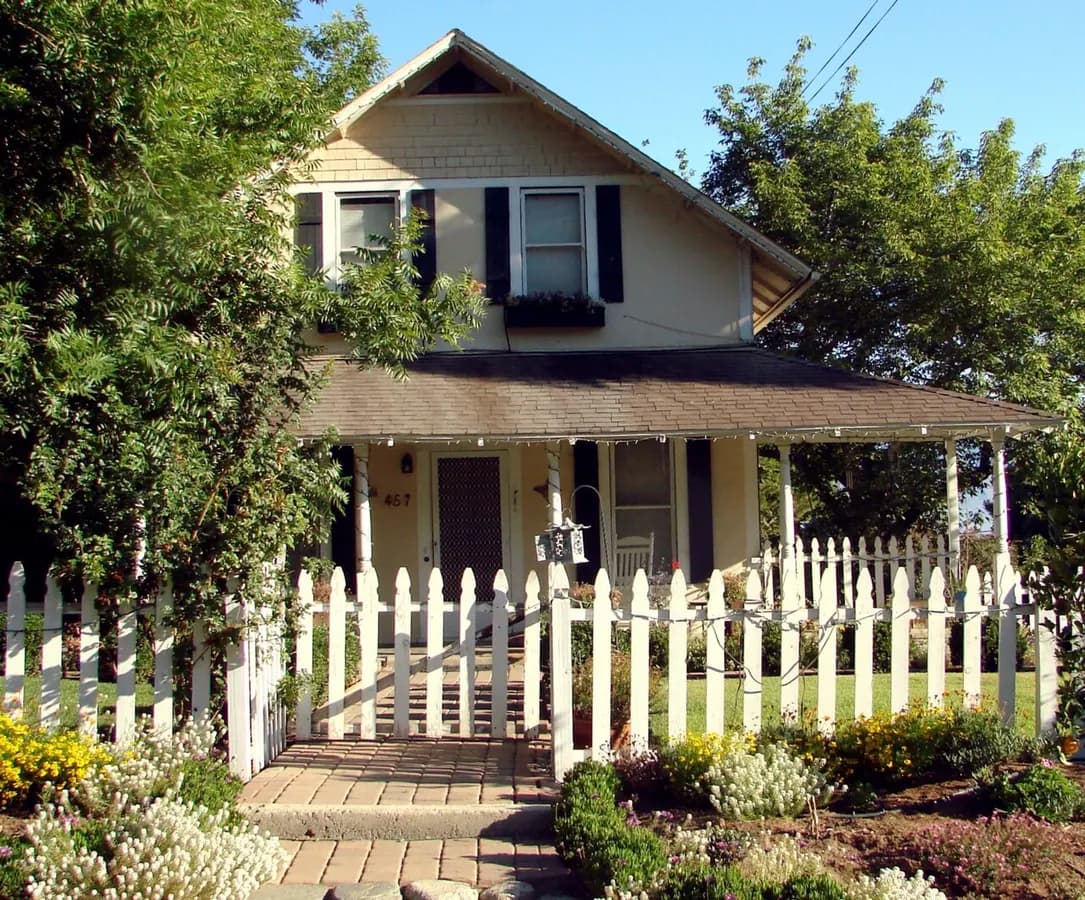
Wood picket fence
Ask which wood and treatment
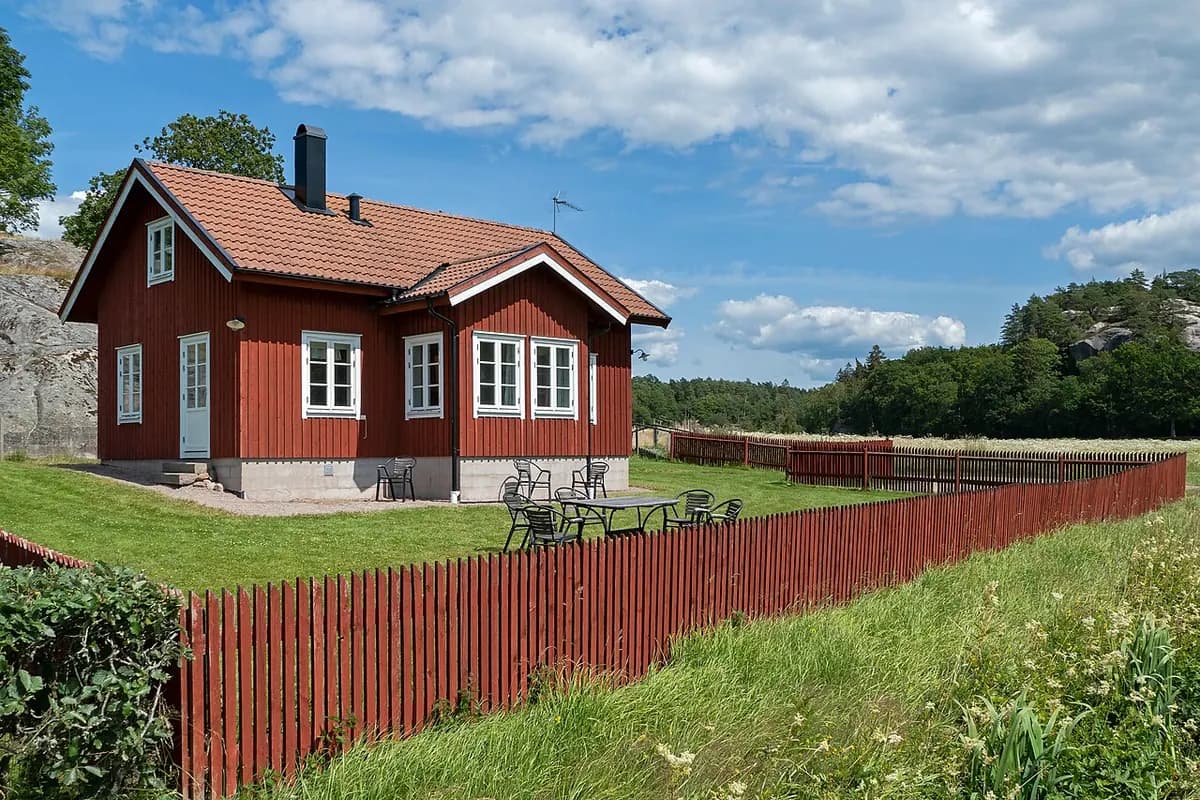
Board fence
Check height rules and the line first

Gate
Gates take the most wear
Red flags
4 of 11Post size and depth not stated
Posts are what fail first.
Guessing the property line
Confirm it with a survey or your records.
Pool gate with no barrier talk
Ask about height, self-closing and latching.
No utility marking before digging
Buried lines get marked first.
7 more red flags
Pressure to sign today, or a price that is only good right now.
A fair quote is still fair tomorrow.
No written quote, or a quote that is a single total with no detail about what is included.
A large payment up front, or a request for cash only.
Some states limit how much a contractor can ask for before work starts.
A license number that does not check out.
Where your state licenses this trade, look the number up yourself on the state licensing board's site.
No proof of insurance.
Ask for a certificate sent to you directly by the insurer or the agent.
A price far below every other quote, followed by extras once the work has started.
Someone who knocks on your door uninvited, or who will not give recent local references.
Where homeowners say it goes wrong
- Quotes vary wildly and they can't tell what they're actually paying for (materials vs. labor vs. permits)
- They don't know property-line or HOA/permit rules and worry about a neighbor dispute or having to tear it down
- Pool fence code confusion - they're not sure their gate or barrier passes inspection and fear a liability or insurance problem
Ask every fence installer
How deep and how far apart are the posts, and are they set in concrete?
Who confirms the property line and checks the permit, HOA and utility-marking requirements?
How will gates be hung and braced so they do not sag, and how do you handle slopes?
2 more questions
Are you licensed where this work requires it, and insured? Can I see the license number and a certificate of insurance sent to me by your insurer?
What exactly does the warranty cover, for how long, and who honors it (you, the manufacturer, or both)? Will you put it in writing?
Permits
Some of this work needs a permit and some does not. It depends on the scope of the job and where you live.
Some places require a permit for fences above a set height or for pool barriers, and HOA or historic-district approval is common. Property-line and setback rules apply as well.
- Your building department decides what applies at your address. Rules differ by city and county, and HOA, condo or historic-district rules can add more.
- Ask who pulls the permit. Normally the licensed contractor does and the price includes it. If a contractor asks you to pull it in your own name, ask why: it can shift responsibility for the work to you.
- If you are unsure, call your local building department before you sign. Unpermitted work can cause problems with insurance and when you sell.
Words you'll see
Terminal post
The heavier post at a corner, an end or a gate. It carries more load than the posts in between.
What this trade covers
14 kinds of jobsAs the trade lists them
- Wood privacy fence installation (cedar, pine, spruce)
- Vinyl/PVC fence installation
- Aluminum and ornamental steel fence installation
- Chain-link fence installation and repair
- Automatic gate operator installation (swing and slide openers)
- Gate repair (gate won't open/close, sagging, off-track, broken hinges)
- Storm and wind damage fence repair (downed sections, leaning posts)
- Pool safety fence and code-compliant barrier installation
- Post replacement and re-setting (rotted, broken, or heaved posts)
- Fence staining, sealing, and painting
- Custom and decorative gate fabrication
- Access control and smart gate add-ons (keypads, intercoms, solar operators)
- Agricultural and farm fencing (split-rail, field, horse fence)
- Free on-site estimates and property-line measurement
How people describe itUrgent calls and planned ones
When it can't wait
- “A tree fell on my fence and it's down across the yard”
- “My dog got out, the fence blew over in the storm last night”
- “The whole fence is leaning over into my neighbor's yard, it's about to fall”
- “My automatic gate is stuck closed and I can't get my car out of the driveway”
- “The driveway gate won't open and I'm locked out / locked in”
- “A car hit my fence and there's a big hole in it, my kids and dog can get to the road”
- “My pool fence gate won't latch and I have little kids”
- “The fence panels are gone after the wind and my pool is wide open”
- “Sections of my fence are down and there are downed power lines tangled in it”
- “The electric gate is hanging off its track and could fall on someone”
When it can be planned
- “I want a quote for a new privacy fence in my backyard”
- “How much to replace my old chain-link with vinyl?”
- “I'd like an estimate to add an automatic gate to my driveway”
- “My fence needs staining/sealing before winter”
- “One picket is loose, no rush”
- “I'm thinking about a pool fence for next summer”
- “Can someone come measure my property line for a fence?”
- “I want to add a gate keypad or smart opener to my existing gate”
Paying for it
Before you finance anything6 basics, then the financing guide
Most home projects can be paid in cash or financed. A few basics before you sign anything:
- Ask for the cash price and the financed price in writing, for the same scope of work. They can differ, because a financing fee (sometimes called a dealer fee) may be built into the financed price.
- Compare the total you will pay over the whole loan, not just the monthly payment.
- Read the fine print on same-as-cash and zero-interest offers, especially what happens if the balance is not paid in full by the end of the promotional period.
- PACE financing is repaid through your property tax bill and can place a lien on your home. Read the terms closely, and consider asking your mortgage servicer how it is treated, before you agree.
- Utility and state programs sometimes offer low-rate loans for efficiency work. Check yours before accepting the contractor's offer.
- Take loan paperwork home and read it. A sign-it-today loan is a reason to slow down.
There is more in the financing guide.financing guide
We are not a lender and do not arrange loans. Financing information here is general education; lenders decide terms.
What an expert knows
Short notes from public sources such as federal agencies, safety groups and trade associations. Each note links to the page it came from, and every page was opened and read on 2026-10-03. This is a starting point, not a complete list of every rule or program, and it is general information, not legal, tax, engineering or insurance advice. Rules and prices vary by place, so confirm what applies at your address.
Types, pros, cons and lifespan4 notes, each with its source
- Wood fences and posts: The post is the critical link, and the main cause of post failure is decay from fungi that need moisture and oxygen. Decay is worst at the groundline. Posts in contact with the ground should be pressure treated.USDA Forest Products Laboratory: Protecting Wood Fences for Yard and Garden (opens in a new tab)
- Treated-lumber labels: Treated wood marked for above-ground use only should not go in the ground, because it holds less preservative than wood treated for ground contact.USDA Forest Products Laboratory: Protecting Wood Fences for Yard and Garden (opens in a new tab)
- Naturally decay-resistant woods: Some woods resist decay without treatment, and water-repellent preservatives help untreated wood above ground shed water.USDA Forest Products Laboratory: Protecting Wood Fences for Yard and Garden (opens in a new tab)
- Pool fences: If a fence is also a pool barrier, CPSC describes how vertical-member, horizontal-member, chain-link, lattice and removable mesh fences should be built so children cannot climb or squeeze through.CPSC Pool Safely: Safety Barrier Guidelines for Residential Pools (opens in a new tab)
Sizing and choosing4 notes, each with its source
- Pool barrier height: A fence that is also a pool barrier should be at least 4 feet high, though 5 feet or higher is preferable. The top should be at least 48 inches above grade on the outside.CPSC Pool Safely: Safety Barrier Guidelines for Residential Pools (opens in a new tab)
- Bottom gap: For a pool barrier, the gap under the fence should be no more than 4 inches, and 2 inches over grass or gravel.CPSC Pool Safely: Safety Barrier Guidelines for Residential Pools (opens in a new tab)
- Gates: Gates should open outward from the pool and be self-closing and self-latching.CPSC Pool Safely: Safety Barrier Guidelines for Residential Pools (opens in a new tab)
- Dig safely: A fence project breaks ground, so utility lines must be marked through 811 first. Digging within 18 to 24 inches of a mark is to be avoided.Illinois Extension: Avoid Injury, Fines, Power Outages by Calling 811 Before Digging (opens in a new tab)
Maintenance by season5 notes, each with its source
- Where fences fail: Rot is worst where soil moisture meets air at the groundline, and the ends of rails, braces and boards decay faster because water enters through end grain.USDA Forest Products Laboratory: Protecting Wood Fences for Yard and Garden (opens in a new tab)
- Keep soil off boards: Soil in contact with fence boards supplies the moisture decay fungi need.USDA Forest Products Laboratory: Protecting Wood Fences for Yard and Garden (opens in a new tab)
- Re-treat cut ends: Water-repellent preservative applied to cut ends and new cuts helps prevent decay.USDA Forest Products Laboratory: Protecting Wood Fences for Yard and Garden (opens in a new tab)
- Wet climates: Decay and termite attack are greatest in humid regions such as the Gulf Coast and South Atlantic, so check posts more often there.USDA Forest Products Laboratory: Protecting Wood Fences for Yard and Garden (opens in a new tab)
- Gate latch: A gate that fails to close and latch is the weak link in even the strongest fence.CPSC Pool Safely: Safety Barrier Guidelines for Residential Pools (opens in a new tab)
Code and permit basics4 notes, each with its source
- Call 811 first: Calling 811 is free and typically needs two to three business days. Examples of projects that require it include putting up a fence. If a contractor is involved, confirm who makes the request. This is general information, not legal advice.Illinois Extension: Avoid Injury, Fines, Power Outages by Calling 811 Before Digging (opens in a new tab)
- Private lines: Locators do not mark private lines such as underground sprinkler systems or a gas line to a grill. Those are your responsibility.Illinois Extension: Avoid Injury, Fines, Power Outages by Calling 811 Before Digging (opens in a new tab)
- Permits and zoning: Permits are generally required for new structures and for development in a floodplain, and zoning rules may apply. Ask your local code official before you build.FEMA Building Codes Toolkit: Checklist to Acquire a Building Permit (opens in a new tab)
- Pool barrier law: Many communities have barrier rules for residential pools, and some have built CPSC's guidelines into their building codes. Check locally.CPSC Pool Safely: Safety Barrier Guidelines for Residential Pools (opens in a new tab)
What moves the price4 notes, each with its source
- Climate and wood: Post life varies widely by climate. One study example shows untreated aspen posts lasting little over a year in humid Mississippi and 14 years in dry Arizona.USDA Forest Products Laboratory: Protecting Wood Fences for Yard and Garden (opens in a new tab)
- Treatment level: Posts treated for ground contact carry more preservative than lumber marked for above-ground use only. Ask which one is in the quote.USDA Forest Products Laboratory: Protecting Wood Fences for Yard and Garden (opens in a new tab)
- Gates and latches: Self-closing, self-latching gates and compliant hardware are separate line items on a pool fence.CPSC Pool Safely: Safety Barrier Guidelines for Residential Pools (opens in a new tab)
- Utility marks: Marked utility lines may force a change to the fence line or dig plan.Illinois Extension: Avoid Injury, Fines, Power Outages by Calling 811 Before Digging (opens in a new tab)
Common scams3 notes, each with its source
- Door-knocking crews: Uninvited crews who say they are in the area, or offer leftover material, are a common home repair scam.FTC: How To Avoid a Home Improvement Scam (opens in a new tab)
- Pay in full early: Never pay the full cost before the work is complete, and avoid cash or wire payments.FEMA Building Codes Toolkit: Checklist to Ask Your General Contractor (opens in a new tab)
- Asked to pull the permit: A contractor who asks you to get the permit yourself may be unlicensed or unqualified.FEMA Building Codes Toolkit: Checklist to Ask Your General Contractor (opens in a new tab)
Ask for this in writing4 notes, each with its source
- Post treatment: That posts are treated for ground contact, not above-ground-only lumber.USDA Forest Products Laboratory: Protecting Wood Fences for Yard and Garden (opens in a new tab)
- Who calls 811: Whether you or the contractor will request utility marking, and when.Illinois Extension: Avoid Injury, Fines, Power Outages by Calling 811 Before Digging (opens in a new tab)
- Pool barrier compliance: For a pool, how the fence height, bottom gap, gate and latch meet your local requirement.CPSC Pool Safely: Safety Barrier Guidelines for Residential Pools (opens in a new tab)
- Permit responsibility: Who applies for any permit.FEMA Building Codes Toolkit: Checklist to Ask Your General Contractor (opens in a new tab)
Repair or replace3 notes, each with its source
- Leaning fences are post problems: The principal cause of post failure is decay at the groundline, so a leaning fence usually means the post has rotted.USDA Forest Products Laboratory: Protecting Wood Fences for Yard and Garden (opens in a new tab)
- Check the ends of boards: Rails and boards decay first at their ends, so inspect there before you decide to replace a section.USDA Forest Products Laboratory: Protecting Wood Fences for Yard and Garden (opens in a new tab)
- Latch broken: On a pool fence, repair a gate that no longer latches before anything else.CPSC Pool Safely: Safety Barrier Guidelines for Residential Pools (opens in a new tab)
Questions to ask an expert4 notes, each with its source
- What post treatment or species will you use? Ask for ground-contact treated posts, or a naturally durable wood.USDA Forest Products Laboratory: Protecting Wood Fences for Yard and Garden (opens in a new tab)
- Which zoning, setback and permit rules apply? A talk with your code official helps decide whether a permit and other local requirements apply.FEMA Building Codes Toolkit: Checklist to Acquire a Building Permit (opens in a new tab)
- Who calls 811 and when? It is free and takes a few business days.Illinois Extension: Avoid Injury, Fines, Power Outages by Calling 811 Before Digging (opens in a new tab)
- Does this fence need to meet a pool barrier rule? If so, ask how the height, gap and gate will meet it.CPSC Pool Safely: Safety Barrier Guidelines for Residential Pools (opens in a new tab)
General information, not legal, tax, engineering or insurance advice. Photos credited with their licenses; drawings made for this site. Guide updated October 3, 2026.