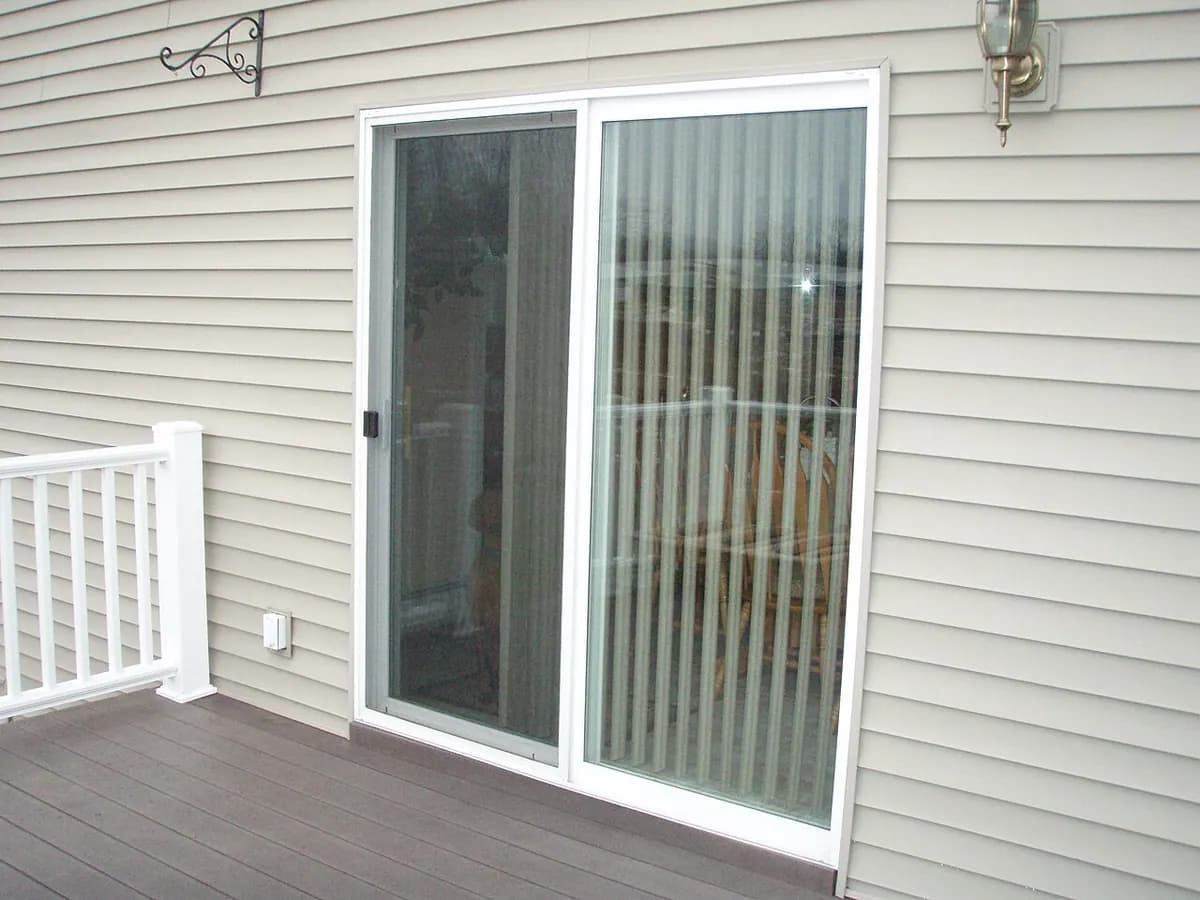
Photo: Tucker T, “Upvc Patio doors”, CC0 1.0, via Wikimedia Commons. Resized and converted to WebP; shown cropped.
Windows & exterior doors
Replacement windows, entry doors, sliders, storm doors.
On this page12 sections: urgent, quote, red flags, permits…
Is it urgent?
Broken glass? Keep children and pets away. Call the police if there has been a break-in.
Emergency: call now
- Broken or shattered glass
- Won't lock or close
- Cracked glass about to fall
- Rain coming in
Within a day or two
- Foggy glass, failed seal
- Stuck window
- Patio door off its track
- Draft or small leak
Can wait: schedule it
- Whole-home replacement quote
- Energy upgrade
- New entry or patio door
The full list, in the guide's words
Safety first: If glass is broken, keep children and pets away from it. Cover the opening with heavy plastic or plywood for the night if you can do so safely, and call the police if there has been a break-in.
Emergency: call now
- Broken or shattered glass after a break-in, a storm or an accident
- A door or window that will no longer lock or close
- Cracked glass that is about to fall, or rain or snow coming in through a broken opening
- Broken glass where children, pets or older adults are present
Within a day or two
- A foggy or failed-seal glass unit
- A stuck or hard-to-operate window, or a patio door off its track
- A draft or water leak that is not actively flooding, or a door that latches but sticks
Can wait: schedule it
- Whole-home replacement quotes and energy-efficiency upgrades
- New entry or patio doors for looks, and windows you are only thinking about replacing
This is general guidance, not a diagnosis. If anyone is in danger, call 911 first.
What's on the quote
The unitsAsk: frame material, glass package
Each window or door by size, style and frame material (vinyl, fiberglass, composite or wood), plus the glass package: double or triple pane, low-E coating and gas fill.
Installation typeAsk: insert or full-frame, and why?
An insert (pocket) replacement keeps your existing frame. A full-frame replacement removes the frame down to the studs. Ask which one is quoted and why.
Trim, flashing, sealingAsk: how is water kept out?
Interior and exterior trim, and the flashing tape and caulk that keep water out. Leaks usually come from how the window is installed.
Disposal & permitAsk: old units removed? Permit?
Removal of the old units, and any permit the work needs.
Lead timeAsk: how long, who does final measure?
Custom units can take weeks. Ask for the lead time and who does the final measure.
WarrantyAsk: what glass, frame, install cover
Glass, frame and installation are often covered separately. Ask what each covers.
What a good estimate spells out9 things to look for
- The contractor's legal name, license number if one applies, and contact details, plus your name and address.
- What work is included, and what is not.
- The brand, model and size of major equipment and materials, not just standard or builder grade.
- Who pulls the permit and who pays for it and for inspections.
- Cleanup, and what happens to the old materials.
- A start date and a realistic finish date, and what happens if the schedule slips.
- Warranty terms: what is covered, for how long and who honors it.
- When and how you pay, tied to finished stages of work rather than just dates.
- How changes are handled: a written price for any change before the work happens.
Know what you're looking at
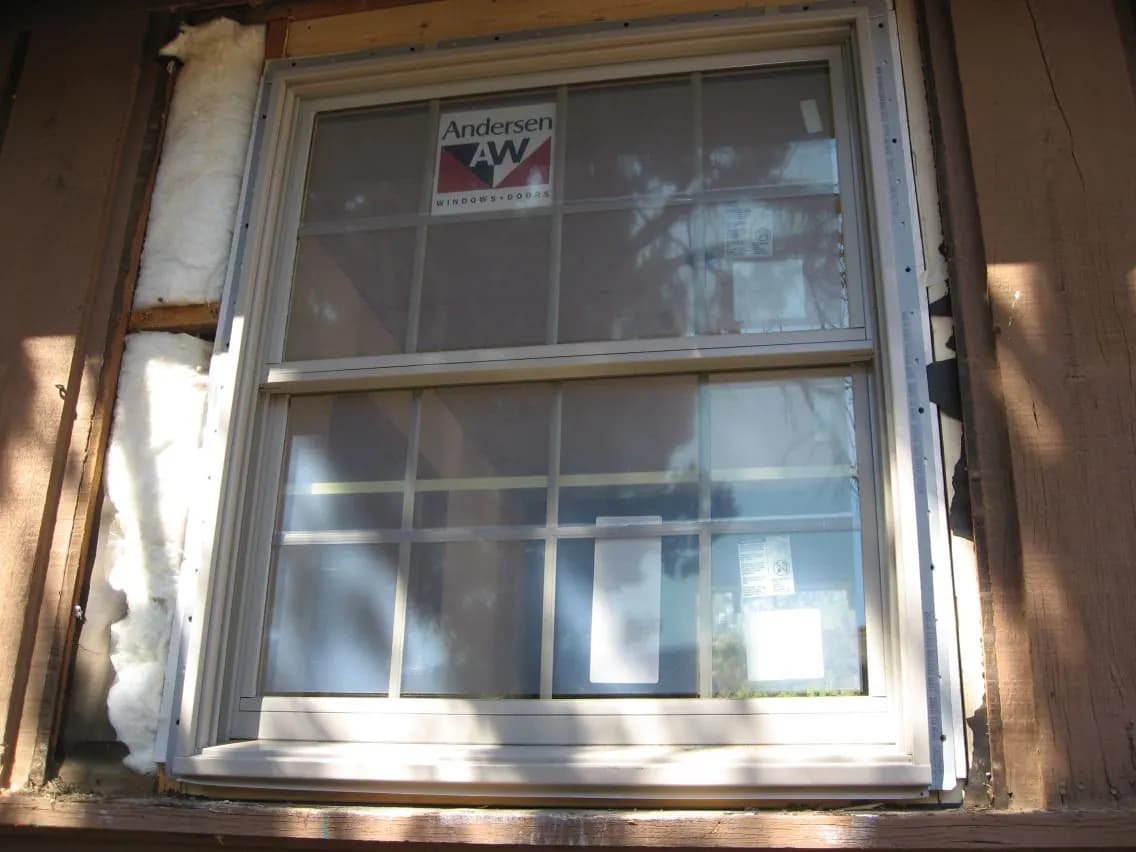
Window being replaced
Ask how the frame is sealed
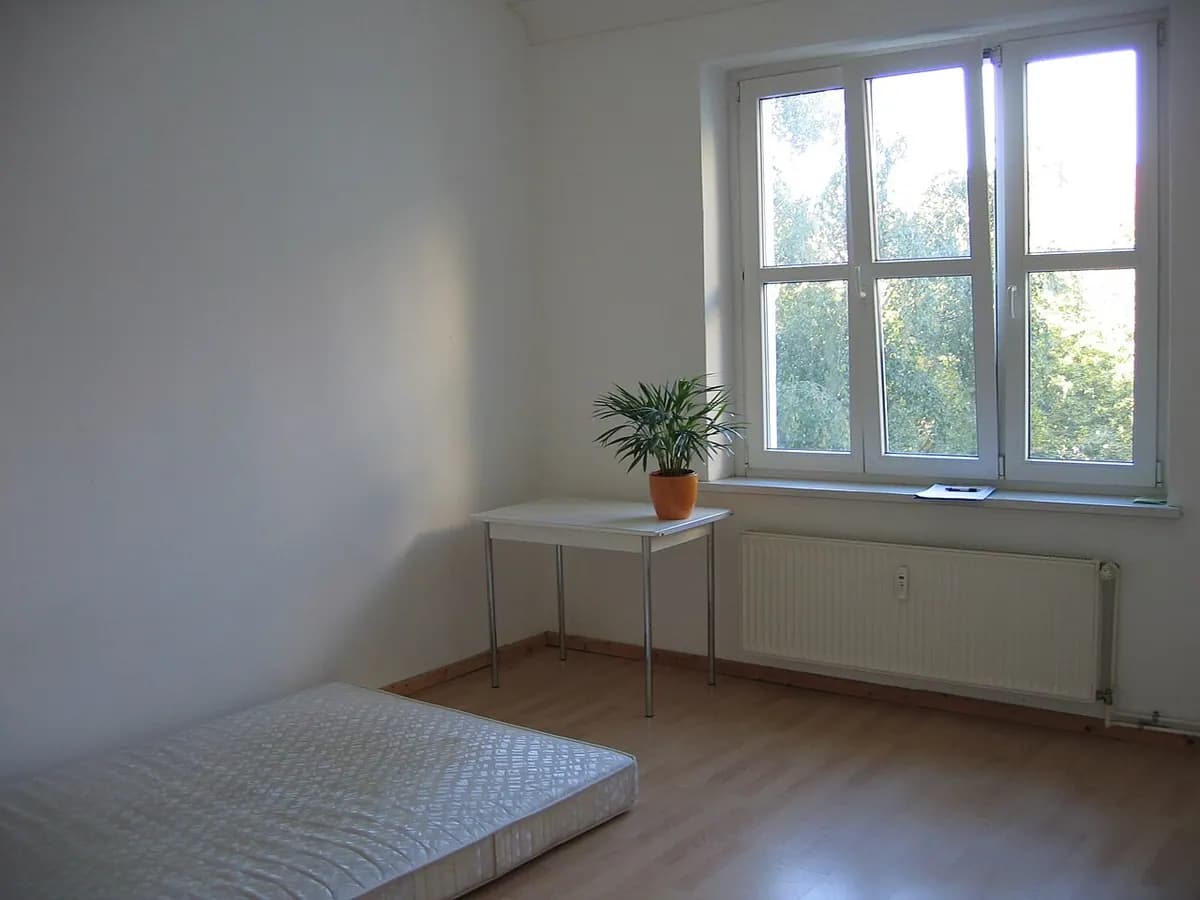
Double-pane window
Fog between panes: failed seal
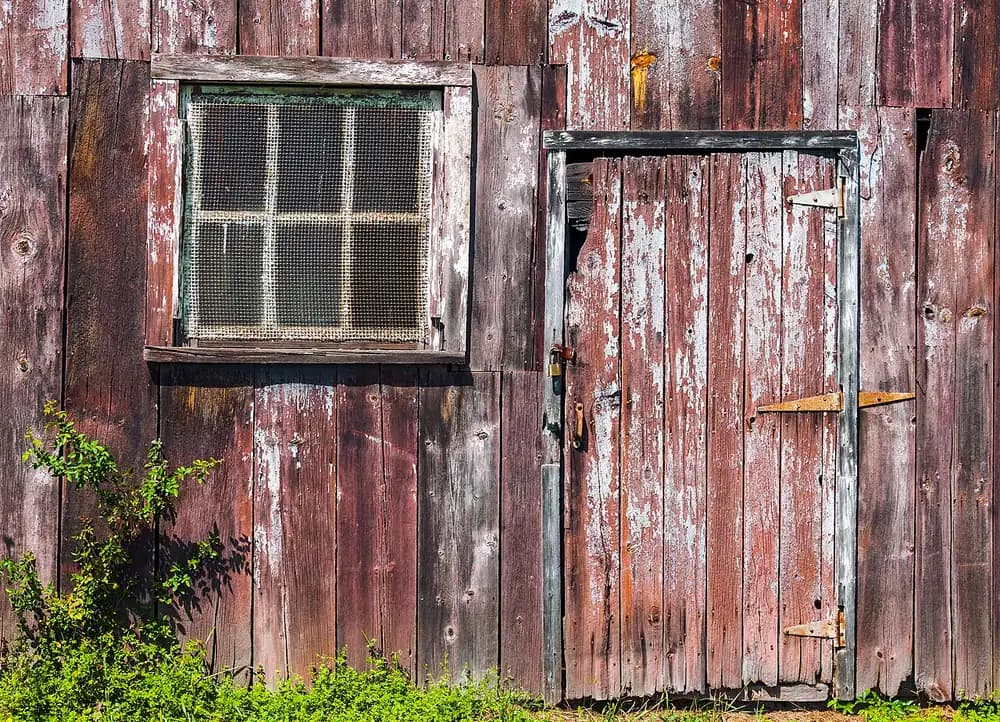
Rotted frames
Soft wood usually means replacement
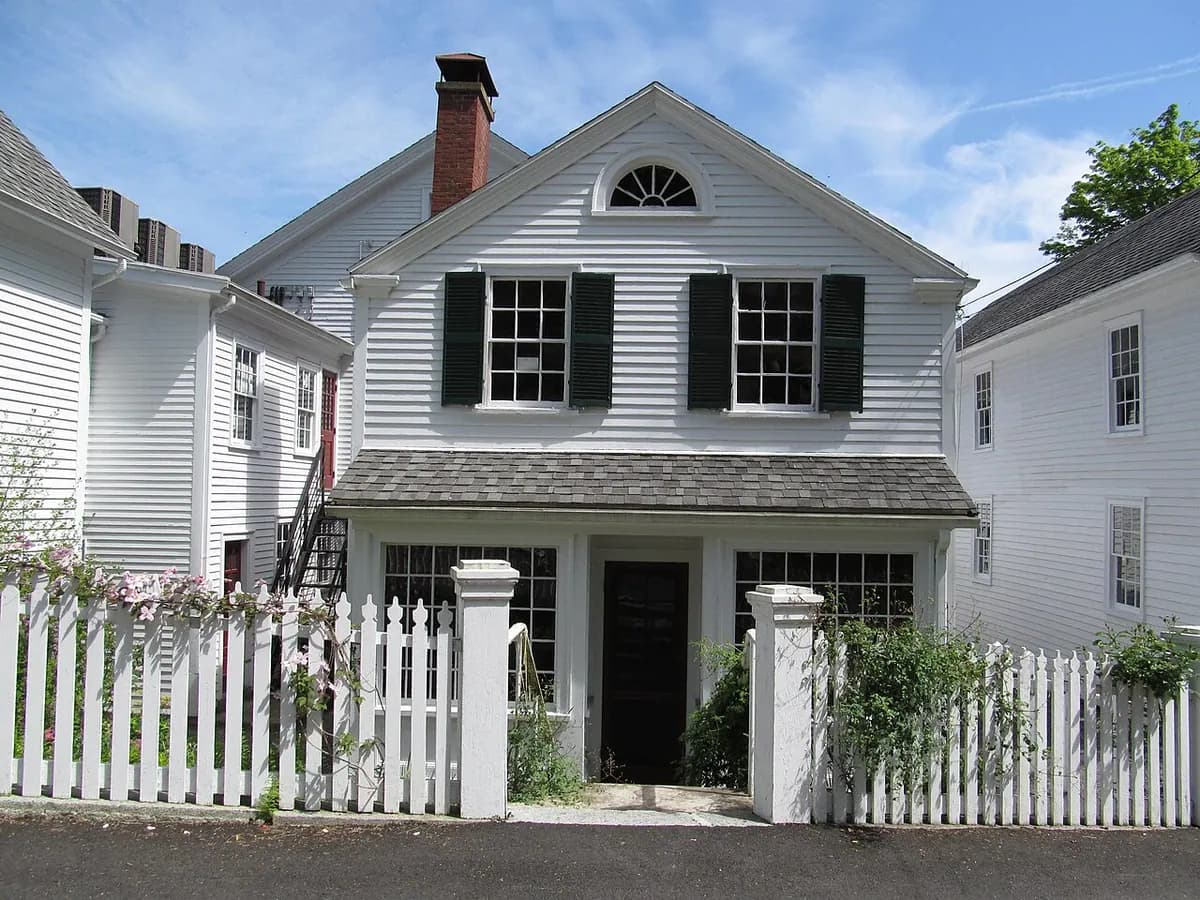
Historic front door
Some towns need approval to change
Red flags
4 of 11Today-only price, hard sell
Get quotes from companies you contacted.
No U-factor or SHGC listed
Ask if it's ENERGY STAR for your climate.
No flashing or sealing detail
Leaks usually come from installation.
Pre-1978 home, no lead-safe talk
Ask if the crew is lead-safe certified.
7 more red flags
Pressure to sign today, or a price that is only good right now.
A fair quote is still fair tomorrow.
No written quote, or a quote that is a single total with no detail about what is included.
A large payment up front, or a request for cash only.
Some states limit how much a contractor can ask for before work starts.
A license number that does not check out.
Where your state licenses this trade, look the number up yourself on the state licensing board's site.
No proof of insurance.
Ask for a certificate sent to you directly by the insurer or the agent.
A price far below every other quote, followed by extras once the work has started.
Someone who knocks on your door uninvited, or who will not give recent local references.
Where homeowners say it goes wrong
- Sky-high heating and cooling bills from drafty, single-pane, or failed-seal windows
- Foggy windows they can't see out of, embarrassing and a sign of seal failure
- Windows or doors that stick, won't lock, or won't open - safety and frustration
- Got burned before by a high-pressure 'today-only' window salesperson and don't trust quotes
- Confused by material and glass options (vinyl vs. fiberglass, double vs. triple pane) and afraid of overpaying
- Long lead times and no-show installers - they just want someone who answers and shows up
- Worried about whether the work is permitted, warrantied, and won't leak afterward
Ask every window installer
Are you quoting an insert replacement or a full-frame replacement, and why?
What are the U-factor and SHGC, and the frame and glass details, for each window?
What is the lead time, who does the final measurement, and what happens if a unit arrives wrong?
2 more questions
Are you licensed where this work requires it, and insured? Can I see the license number and a certificate of insurance sent to me by your insurer?
What exactly does the warranty cover, for how long, and who honors it (you, the manufacturer, or both)? Will you put it in writing?
Permits
Some of this work needs a permit and some does not. It depends on the scope of the job and where you live.
In some places even same-size window replacements need a permit, and in others they do not. Changing the size of an opening, adding an egress window, or working in a historic district often does. Condo and HOA rules can add requirements.
- Your building department decides what applies at your address. Rules differ by city and county, and HOA, condo or historic-district rules can add more.
- Ask who pulls the permit. Normally the licensed contractor does and the price includes it. If a contractor asks you to pull it in your own name, ask why: it can shift responsibility for the work to you.
- If you are unsure, call your local building department before you sign. Unpermitted work can cause problems with insurance and when you sell.
Words you'll see
Insert (pocket) replacement
The new window goes inside the existing frame. Less disruptive, but any rot in the old frame has to be solved first.
What this trade covers
15 kinds of jobsAs the trade lists them
- Full-frame replacement window installation (tear-out to the studs)
- Insert/pocket replacement windows (existing frame stays)
- New-construction window installation for additions and remodels
- Entry door replacement (steel, fiberglass, solid wood)
- Patio door installation (sliding glass and French doors)
- Storm door and screen door installation
- Bay, bow, and garden window installation
- Egress window installation and basement cut-ins
- Emergency board-up and broken glass replacement after break-in or storm
- Insulated glass unit (IGU) replacement for foggy/failed seals
- Window and door screen repair and re-screening
- Sliding patio door roller, track, and lock repair
- Caulking, weatherstripping, and draft sealing
- Custom and specialty-shape windows (arched, transom, picture)
- Historic and wood window restoration / glazing
How people describe itUrgent calls and planned ones
When it can't wait
- “Someone broke in overnight and smashed the back door glass, the house is wide open”
- “A tree branch came through our living room window in the storm, glass everywhere”
- “My front door won't lock anymore and we can't secure the house tonight”
- “The sliding patio door shattered and there's a baby in the house”
- “The wind blew our window in and rain is pouring into the bedroom”
- “Kid threw a ball through the picture window and there's broken glass all over the floor”
- “Our door got kicked in during a break-in, it won't close and we feel unsafe”
- “A rock from the mower threw and cracked the glass, it's about to fall out”
- “Storm ripped the screen door off and the main door won't latch”
When it can be planned
- “I'd like a quote to replace all the windows in my house”
- “We're thinking about a new front door and want pricing”
- “How much for a sliding patio door installed?”
- “One of my windows is foggy in the middle, can someone look at it?”
- “My double-hung window is hard to open, can you fix it?”
- “I want to know if new windows qualify for any energy rebates”
- “Can you re-screen a couple of windows for the summer?”
- “Looking to add a bay window to the living room”
Rebates and credits
Rebates and credits change often and differ by state, utility and sometimes county.
- Start with your state energy office and the ENERGY STAR rebate finder.ENERGY STAR rebate finder (opens in a new tab)
- The federal 25C and 25D credits ended for property placed in service after 2025-12-31 (IRS: 25C, 25D). Do not count on them for new work, and ask a tax professional about your situation.25C (opens in a new tab)25D (opens in a new tab)
- ENERGY STAR certified windows and doors are what most state and utility programs mention. Programs vary and change, so confirm the requirement and any approved list before you order.
- Programs often have conditions: a specific equipment rating, an approved installer, or approval before you buy. Confirm the rules before you sign, not after.
Paying for it
Before you finance anything6 basics, then the financing guide
Most home projects can be paid in cash or financed. A few basics before you sign anything:
- Ask for the cash price and the financed price in writing, for the same scope of work. They can differ, because a financing fee (sometimes called a dealer fee) may be built into the financed price.
- Compare the total you will pay over the whole loan, not just the monthly payment.
- Read the fine print on same-as-cash and zero-interest offers, especially what happens if the balance is not paid in full by the end of the promotional period.
- PACE financing is repaid through your property tax bill and can place a lien on your home. Read the terms closely, and consider asking your mortgage servicer how it is treated, before you agree.
- Utility and state programs sometimes offer low-rate loans for efficiency work. Check yours before accepting the contractor's offer.
- Take loan paperwork home and read it. A sign-it-today loan is a reason to slow down.
There is more in the financing guide.financing guide
We are not a lender and do not arrange loans. Financing information here is general education; lenders decide terms.
What an expert knows
Short notes from public sources such as federal agencies, safety groups and trade associations. Each note links to the page it came from, and every page was opened and read on 2026-10-03. This is a starting point, not a complete list of every rule or program, and it is general information, not legal, tax, engineering or insurance advice. Rules and prices vary by place, so confirm what applies at your address.
Types, pros, cons and lifespan6 notes, each with its source
- The label comes by climate zone: ENERGY STAR windows, doors and skylights must meet U-factor limits and, where it applies, solar heat gain limits for the climate zone. Look for the label for your zone next to the NFRC label on the glass.ENERGY STAR: Residential Windows, Doors, and Skylights (opens in a new tab)
- Door ratings: Doors must also meet limits based on how much glass they contain.ENERGY STAR: Residential Windows, Doors, and Skylights (opens in a new tab)
- Frame materials: ENERGY STAR certified windows come in a variety of framing materials, so frame choice can follow your taste and budget.ENERGY STAR: Residential Windows, Doors, and Skylights (opens in a new tab)
- Single-pane windows: They insulate poorly against cold and usually lack coatings that block summer sun, which raises cooling costs.ENERGY STAR: High Performing Windows or Storm Windows (opens in a new tab)
- Storm windows: Windows and storm windows that earn the ENERGY STAR label meet criteria better than basic building code requirements, and the criteria vary by climate. A high-performing storm window is an option for keeping existing windows.ENERGY STAR: High Performing Windows or Storm Windows (opens in a new tab)
- What the NFRC label shows: U-factor (heat escaping, lower is better), solar heat gain coefficient (how much sun heat gets in), visible transmittance (daylight), condensation resistance and air leakage.NFRC: Windows, Doors and Skylights (what the label tells you) (opens in a new tab)
Sizing and choosing3 notes, each with its source
- Find your climate zone first: Use ENERGY STAR's climate zone finder, then pick products certified for that zone. The right balance of comfort and savings depends on where you live.ENERGY STAR: Residential Windows, Doors, and Skylights (opens in a new tab)
- Cold or hot, the numbers differ: A low solar heat gain number helps keep a home cool in summer, while a higher one can help warm it in winter. A lower U-factor means better insulation.NFRC: Windows, Doors and Skylights (what the label tells you) (opens in a new tab)
- Plan the quantity: Installation cost per window is lower on a bigger project, and ENERGY STAR suggests planning for at least 10 windows to get the best price per window.ENERGY STAR: High Performing Windows or Storm Windows (opens in a new tab)
Maintenance by season4 notes, each with its source
- Check for drafts: Shine a flashlight at night while a partner watches from outside, or look for light at the edges of windows and doors. Light shining through means an air leak.ENERGY STAR: DIY Checks and Inspections for Insulation and Air Leaks (opens in a new tab)
- Simple seal-ups: Weatherstripping on doors and caulk around windows are quick fixes for leaks.ENERGY STAR: Seal and Insulate (opens in a new tab)
- Sills and sashes: Degraded sills and sashes can leak water into walls and let insects and other pests inside, so repair them before they spread.ENERGY STAR: High Performing Windows or Storm Windows (opens in a new tab)
- Open and clean them: Windows that are painted shut or will not open cost you fresh air and are hard to clean and maintain.ENERGY STAR: High Performing Windows or Storm Windows (opens in a new tab)
Code and permit basics4 notes, each with its source
- Pre-1978 homes and lead paint: Anyone paid to disturb paint in a home built before 1978 must be certified in lead-safe work practices, even sole proprietors. In general the rule does not apply to homeowners working on their own home. This is general information, not legal advice.EPA: Lead Renovation, Repair and Painting Program (opens in a new tab)
- Hire lead-safe certified: For a project in a pre-1978 home, EPA recommends hiring a lead-safe certified contractor. The installer will likely need to catch paint chips and clean up with extra care.EPA: Lead Renovation, Repair and Painting Program (opens in a new tab)
- Keep the labels: Save the ENERGY STAR and NFRC labels as documentation of what was installed.ENERGY STAR: Residential Windows, Doors, and Skylights (opens in a new tab)
- Permits: A contractor who asks you to get the building permit yourself is a warning sign. Ask your building department whether window replacement needs a permit in your town.FTC: How To Avoid a Home Improvement Scam (opens in a new tab)
What moves the price4 notes, each with its source
- Product and quantity: Prices vary by dealer for the same product. ENERGY STAR certified windows may cost more than uncertified ones, though labor is comparable.ENERGY STAR: Residential Windows, Doors, and Skylights (opens in a new tab)
- Job size: Larger projects lower the installer's cost per window because of the haul, set-up and clean-up time.ENERGY STAR: High Performing Windows or Storm Windows (opens in a new tab)
- Lead-safe work in older homes: Pre-1978 homes require extra precautions, such as catching paint chips and careful clean-up, which add steps.ENERGY STAR: High Performing Windows or Storm Windows (opens in a new tab)
- Rebates: Many utilities offer incentives for ENERGY STAR certified windows, doors and skylights. Look for local rebates before you buy.ENERGY STAR: Residential Windows, Doors, and Skylights (opens in a new tab)
Common scams3 notes, each with its source
- Pressure sales tactics: Be cautious of salespeople who push you to sign today. ENERGY STAR suggests choosing contractors who do not use pressure tactics.ENERGY STAR: High Performing Windows or Storm Windows (opens in a new tab)
- Door-knocking and leftover stock: Uninvited workers who say they are in the area are a common home improvement scam pattern.FTC: How To Avoid a Home Improvement Scam (opens in a new tab)
- Cash only or all up front: Never pay the full cost before work begins, and avoid cash and wire payments.FTC: How To Avoid a Home Improvement Scam (opens in a new tab)
Ask for this in writing4 notes, each with its source
- Price broken out: Ask contractors to break the quote down by labor and materials, and get quotes from several installers.ENERGY STAR: Residential Windows, Doors, and Skylights (opens in a new tab)
- Product performance: The exact product line, its NFRC and ENERGY STAR ratings for your zone, and its performance details.ENERGY STAR: High Performing Windows or Storm Windows (opens in a new tab)
- Warranty: What the warranty covers and for how long.ENERGY STAR: High Performing Windows or Storm Windows (opens in a new tab)
- Lead-safe certification: For a home built before 1978, proof the firm is certified in lead-safe work practices.EPA: Lead Renovation, Repair and Painting Program (opens in a new tab)
Repair or replace3 notes, each with its source
- Signs it may be time: Single-pane glass, drafts with degraded sills and sashes, and windows that will not open are the big indicators ENERGY STAR lists for replacement.ENERGY STAR: High Performing Windows or Storm Windows (opens in a new tab)
- Cheaper first steps: Weatherstripping and caulk fix simple leaks, and a high-performing storm window can improve an existing window.ENERGY STAR: Seal and Insulate (opens in a new tab)
- Water getting in: Degraded sills and sashes can leak water into the wall, so ask whether the frame can be repaired or the window should be replaced.ENERGY STAR: High Performing Windows or Storm Windows (opens in a new tab)
Questions to ask an expert4 notes, each with its source
- Which ENERGY STAR climate zone label does this product carry? It should match your zone, with the NFRC rating on the glass.ENERGY STAR: Residential Windows, Doors, and Skylights (opens in a new tab)
- What are the U-factor and solar heat gain numbers? Ask for the NFRC label values for the exact model.NFRC: Windows, Doors and Skylights (what the label tells you) (opens in a new tab)
- Is my home pre-1978, and are you lead-safe certified? If so, ask how paint chips will be contained.EPA: Lead Renovation, Repair and Painting Program (opens in a new tab)
- Can you break the price into labor and materials? It makes quotes easier to compare.ENERGY STAR: Residential Windows, Doors, and Skylights (opens in a new tab)
General information, not legal, tax, engineering or insurance advice. Photos credited with their licenses; drawings made for this site. Guide updated October 3, 2026.